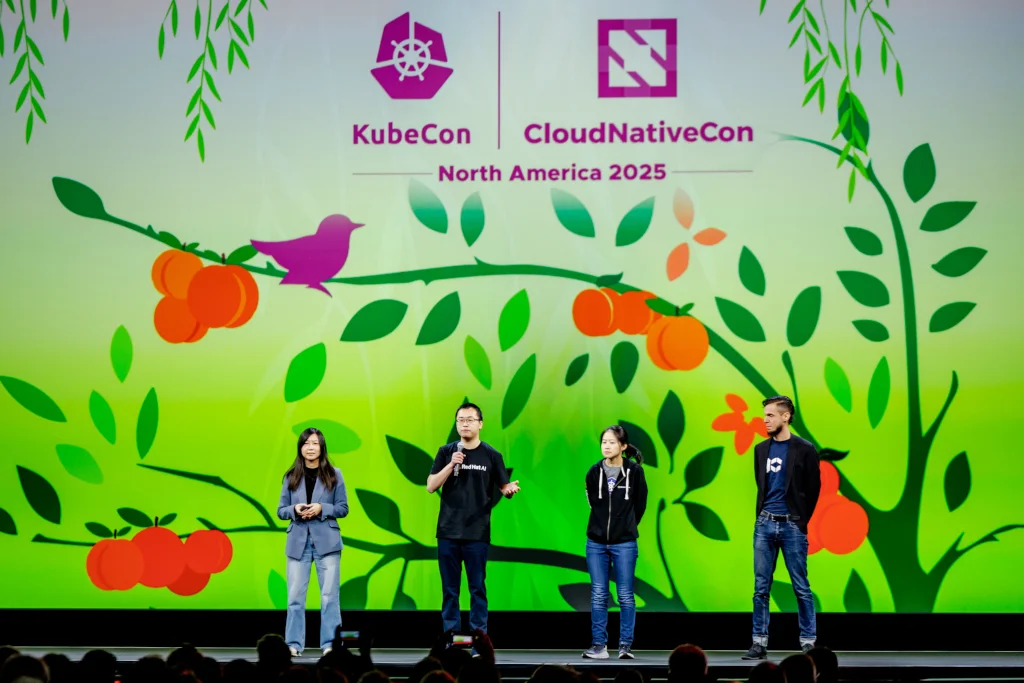
Kubernetes AI Conformance Moves Into SIG Architecture as Certified Platforms Grow
AI Conformance has shifted from a temporary working group to a permanent Kubernetes subproject, with 31 platforms certified and requirements evolving in tiers.
Cloud platforms, services, and infrastructure
Found 44 articles
AI Conformance has shifted from a temporary working group to a permanent Kubernetes subproject, with 31 platforms certified and requirements evolving in tiers.
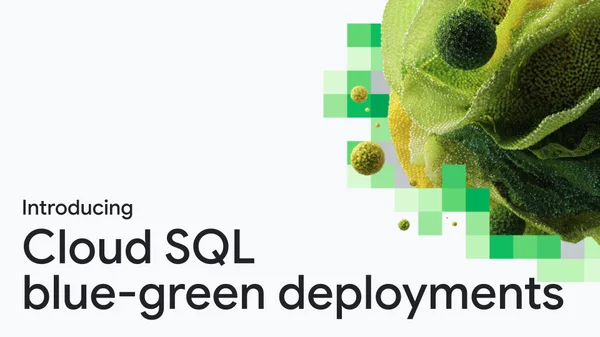
Cloud SQL’s preview automates MySQL upgrades with production data testing, fast cutovers and a fallback to the original instance.
Google Cloud VPC Flow Logs can preserve GKE workload, service, and node details with sampled traffic, helping teams trace connectivity after pods change.
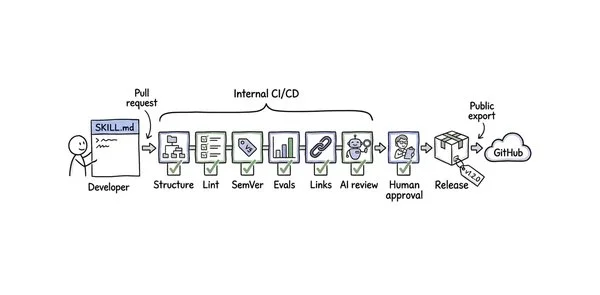
Google’s 170+ Agent Skills use automated checks, AI review, and evaluations to catch quality issues before changes reach users.
The GA console surfaces hardware metrics, SQL hotspots, columnar cache coverage and database settings across AlloyDB Omni deployments.
Find forgotten cloud credentials with usage reports, block new long lived keys in deployment plans and verify revocation with an owner.
OpenAI’s reported scale highlights how agent workloads multiply identity checks, pushing teams toward low-latency, distributed authorization.
Replit is building a controlled workspace for company AI agents, with shared instructions and human approvals aimed at scaling routine work.
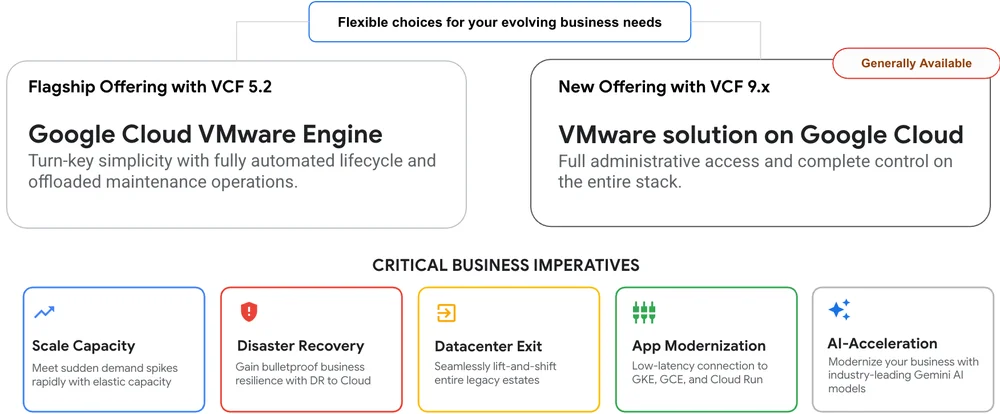
Run VMware workloads on Google Cloud with VCF 9.x, portable licenses, and full administrative control—while managing updates and maintenance yourself.
Google and Oracle are linking Gemini and BigQuery with Oracle databases, adding governed access and business context for AI agents working with operational data.
IAM Helper connects coding agents to Google Cloud IAM tools for permission diagnosis, policy simulation and time-bound access with approval controls.
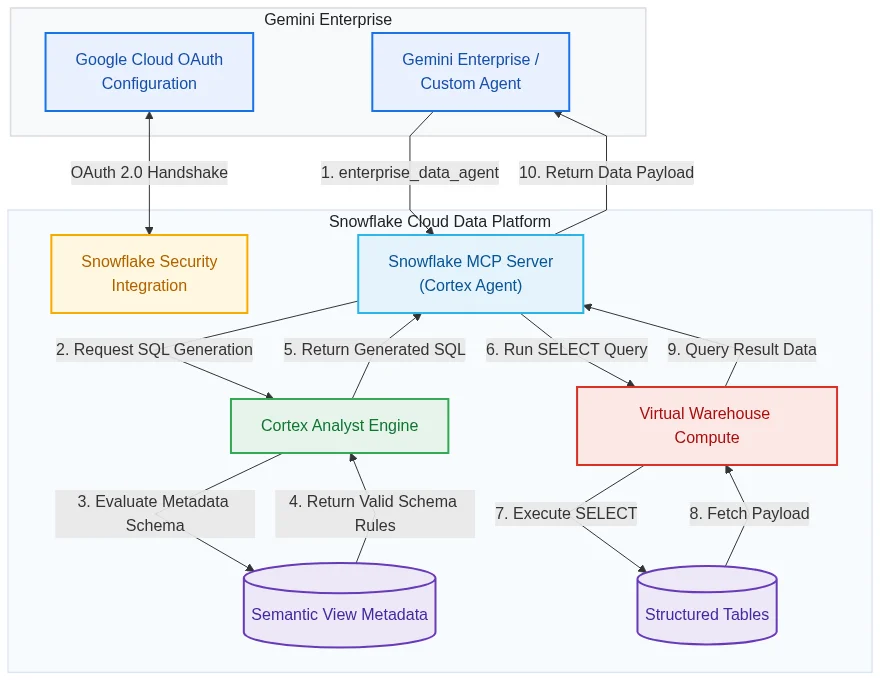
See how Google ADK and MCP route agent questions through Snowflake Cortex, using user OAuth roles and semantic views for governed query execution.
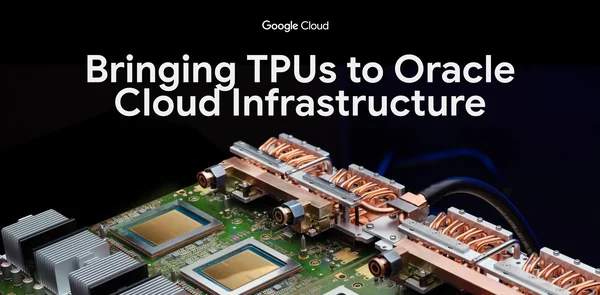
OCI plans to host Google TPUs from 2027, giving enterprises another way to run AI workloads near Oracle data and choose between accelerator types.
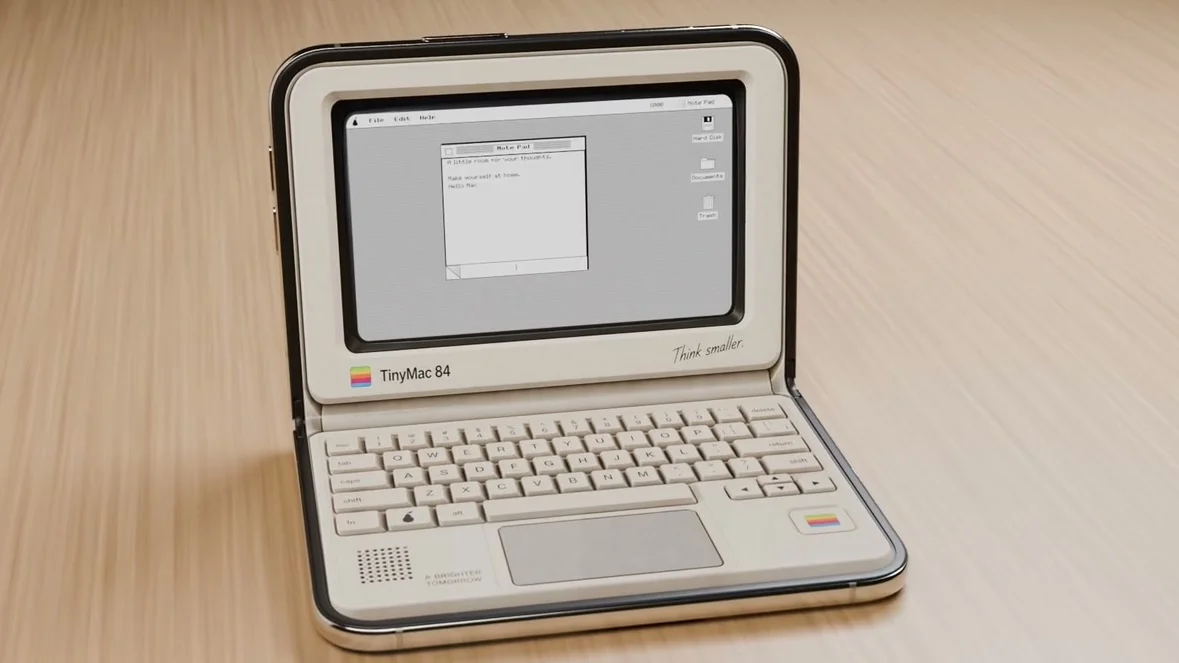
Developers are using the iPhone Duo’s hinge and two displays for playful apps, from a virtual accordion to a Nintendo DS-style emulator.
AI workloads are revealing gaps in Kubernetes restart diagnostics and GPU scheduling. Better coordination and operational visibility can help teams keep clusters productive.
Microsoft’s new streaming transcription and voice models cut response delays, while contact center experts warn that faster turn-taking needs careful tuning.
Knowledge Catalog can learn from agent interactions to update governed context, while Knowledge Studio gives stewards tools to inspect and approve changes.
TorchTPU and TorchNeuron make it easier to run PyTorch on Google and AWS chips, though peak performance still takes hardware-specific tuning.
Google’s Agent Compute Engine gives each AI agent a checkpointable microVM, pairing isolated execution with fast suspension and restart.
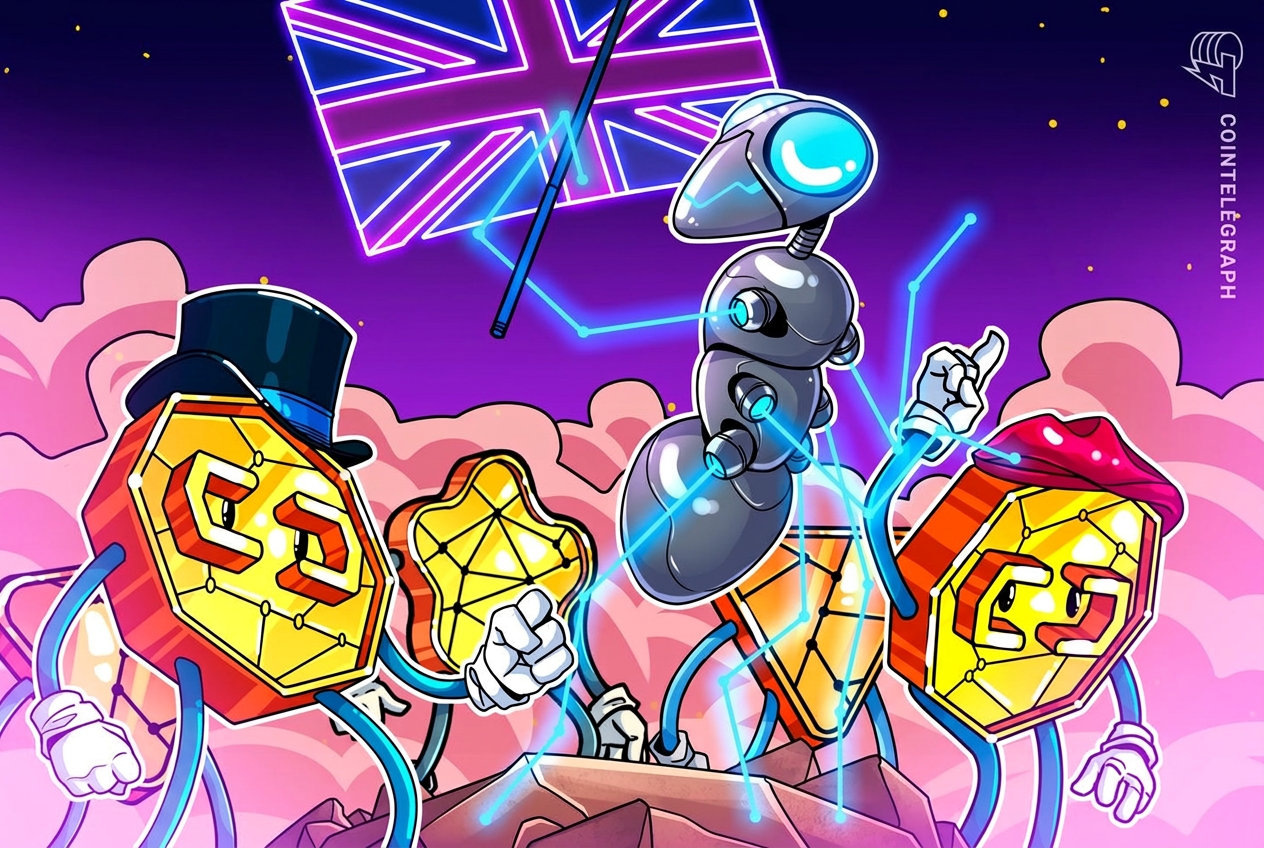
A proposed 2027 FCA approach could block regulated platforms from offering DeFi access, pushing activity beyond their visibility and limiting UK firms’ role in onchain finance.