Kubernetes AI Conformance Moves Into SIG Architecture as Certified Platforms Grow
Kubernetes AI Conformance has moved from a temporary working group into SIG Architecture, giving the effort a permanent home as AI infrastructure becomes a core platform concern. The transition follows the publication of Kubernetes AI Requirements and the launch of a certification program that grew from 18 certified platforms to 31 within a few months.
For Janet Kuo of Google and Yuan Tang of TensorScale AI, the work addresses a practical risk: AI workloads are spreading across Kubernetes platforms, while vendors have taken different approaches to accelerators, networking, scheduling, and inference. A shared conformance baseline could make those workloads more portable and reduce dependence on platform-specific implementations.
A shared baseline for AI workloads
Kuo proposed the AI Conformance effort after seeing organizations build AI infrastructure on Kubernetes in increasingly different ways. She drafted the initial proposal, sought support from CNCF leadership, and then brought community members together to shape the program. Kuo is a Senior Staff Software Engineer at Google, a Kubernetes maintainer since 2015, and a co-chair and technical lead of SIG Apps. Her earlier work included core workload controllers that helped standardize application orchestration.
Tang joined the effort from his work with WG Serving, where he had helped build collaboration around projects including Kubeflow, Argo, and KServe. He previously led development of Red Hat’s AI platform and its upstream open source strategy. At TensorScale AI, which he co-founded, he works on AI infrastructure for world models. He also helped found and lead WG Serving and the AI Conformance program.
One early point of momentum was the Gateway API Inference Extension, which attracted interest in adding inference requirements to the conformance program. The broader challenge covered more than inference: organizations were running distributed training, GPU-intensive pipelines, large-scale inference, and emerging agentic AI systems across Kubernetes platforms with differing infrastructure behavior.
The working group set out to bring vendors and contributors around common, vendor-neutral expectations. Its scope included interoperable Kubernetes-based AI platforms, more consistent operations, and requirements that could support AI workloads at scale. Kuo and Tang say the group met its initial goals by publishing formal Kubernetes AI Requirements, launching the Certified Kubernetes AI Conformance Program, attracting broad ecosystem participation, and defining a roadmap for automated conformance checks.
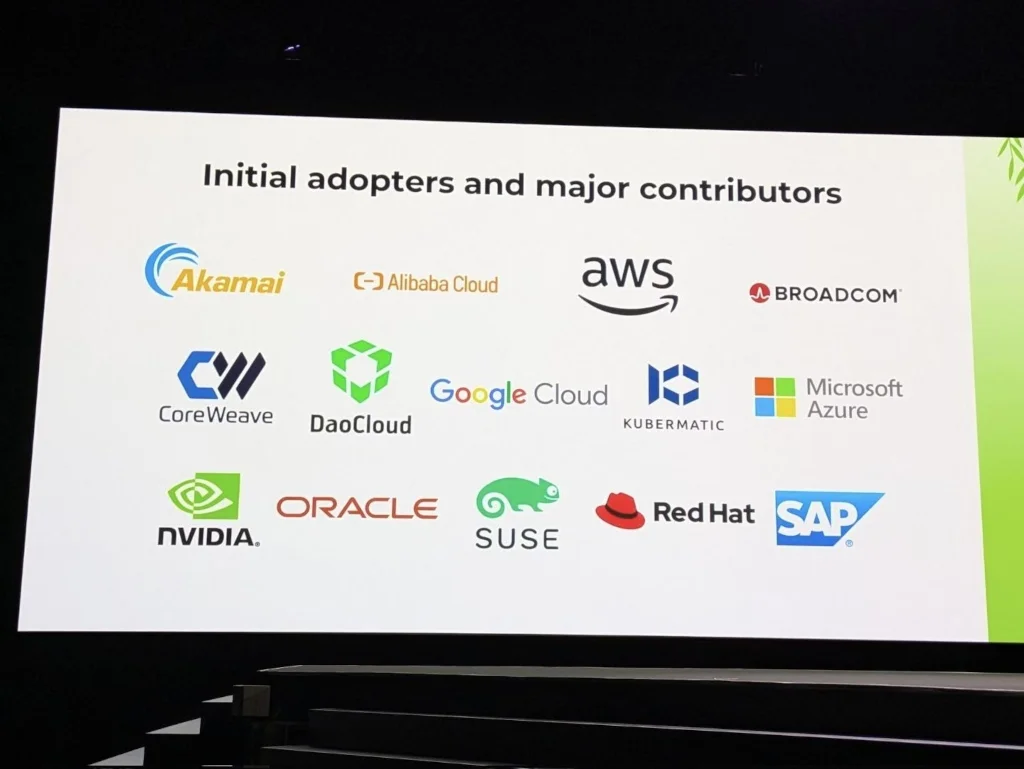
The increase from 18 certified platforms to 31 in a few months is a concrete measure of adoption. The figures also point to an industry appetite for a shared baseline, though certification alone doesn’t settle every question about workload performance or the best way to run a particular model. The program’s purpose is to establish common infrastructure expectations across platforms.
Why the work now sits in SIG Architecture
Kubernetes working groups are temporary by design. The AI Conformance group was formed to define the initial requirements and get certification underway; once those milestones were reached, it was archived. The effort now operates as a subproject of SIG Architecture, the group responsible for broader Kubernetes conformance and API design principles.
That placement matters because the requirements will need to track changes in Kubernetes itself. Kuo and Tang describe the move as a shift from launching a focused initiative to maintaining an ongoing set of standards. The subproject’s remit is to keep requirements current and vendor-neutral, identify areas where the community lacks an established pattern, and help develop shared approaches where needed.
AI’s increased visibility at KubeCon reflects a change in how platform teams treat these workloads. AI used to be associated more narrowly with machine learning platforms and GPU-focused research environments. Now, according to Kuo and Tang, it is becoming a mainstream infrastructure concern for large operators. That brings accelerator scheduling, high-performance networking, workload-aware orchestration, and low-latency inference into discussions about Kubernetes foundations.
Keeping requirements useful as AI changes
The standards effort faces a familiar tension: AI infrastructure evolves quickly, while Kubernetes aims to keep APIs stable over time. The conformance program addresses that by using a tiered approach. New capabilities can first appear as recommended SHOULD requirements, giving operators and vendors room to test approaches and build agreement. When APIs stabilize and adoption develops, requirements can graduate to mandatory MUST status.
The focus on the infrastructure layer is another way to manage that tension. Rather than certify specific AI frameworks or model servers, the program evaluates platform capabilities, including accelerator support through Dynamic Resource Allocation (DRA). That keeps conformance centered on Kubernetes behavior while leaving room for AI tools to change independently.
Kuo and Tang see a parallel between this work and the development of DRA, which has involved WG Device Management and SIG Architecture. Broad problems that span multiple parts of Kubernetes can benefit from a working group’s cross-SIG collaboration and consensus building. Once the initial work is established, architectural governance can help connect it to Kubernetes’ wider direction.
As a SIG Architecture subproject, AI Conformance expects to pay closer attention to how AI capabilities fit into core Kubernetes primitives. Scheduling and resource allocation are among the areas that may need to adapt as AI workloads grow. The aim is to treat those needs as part of platform architecture, rather than as an isolated layer added on top.
Ways to contribute
Contributors can start at the kubernetes-sigs/ai-conformance repository and attend the subproject’s meetings. People interested in requirements can review pull requests or propose one using the KAR template. The project also needs help extending its automated Go test suites in the test/ directory. Vendors seeking certification can find program details at cncf/k8s-ai-conformance.
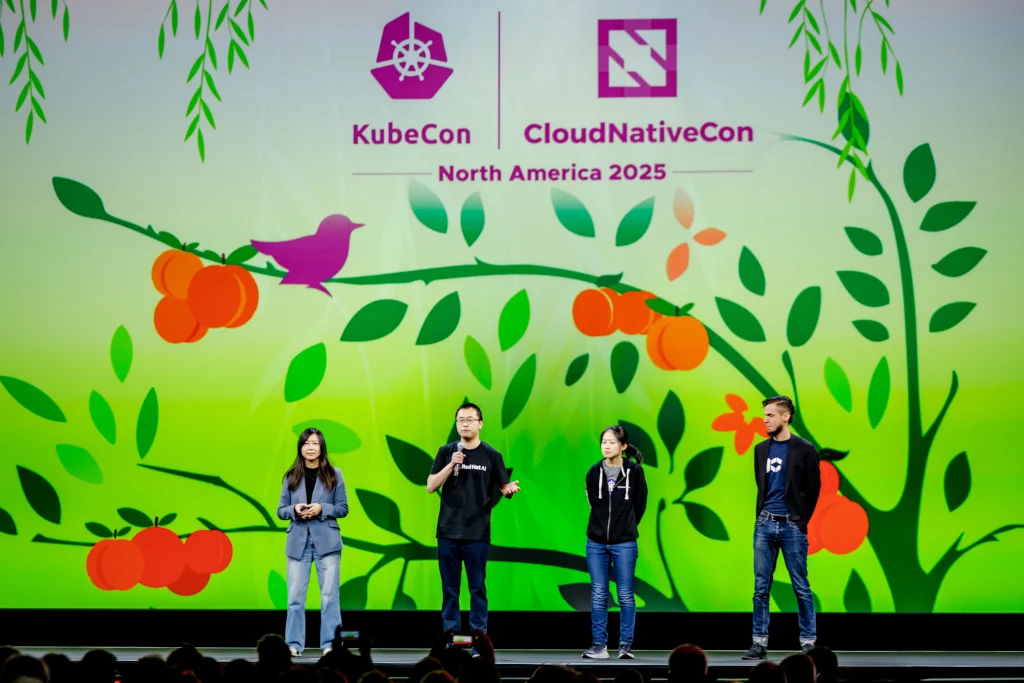
The program was announced during the keynote at KubeCon North America 2025, and the team reported the increase to 31 certified platforms at KubeCon Europe 2026. That growth gives the community a useful signal: platform providers are willing to work toward a common standard. The next test is whether the requirements and automated checks can keep pace with changes in Kubernetes and AI infrastructure while remaining broadly applicable.