How to Choose the Right LLM Inference Optimization Technique
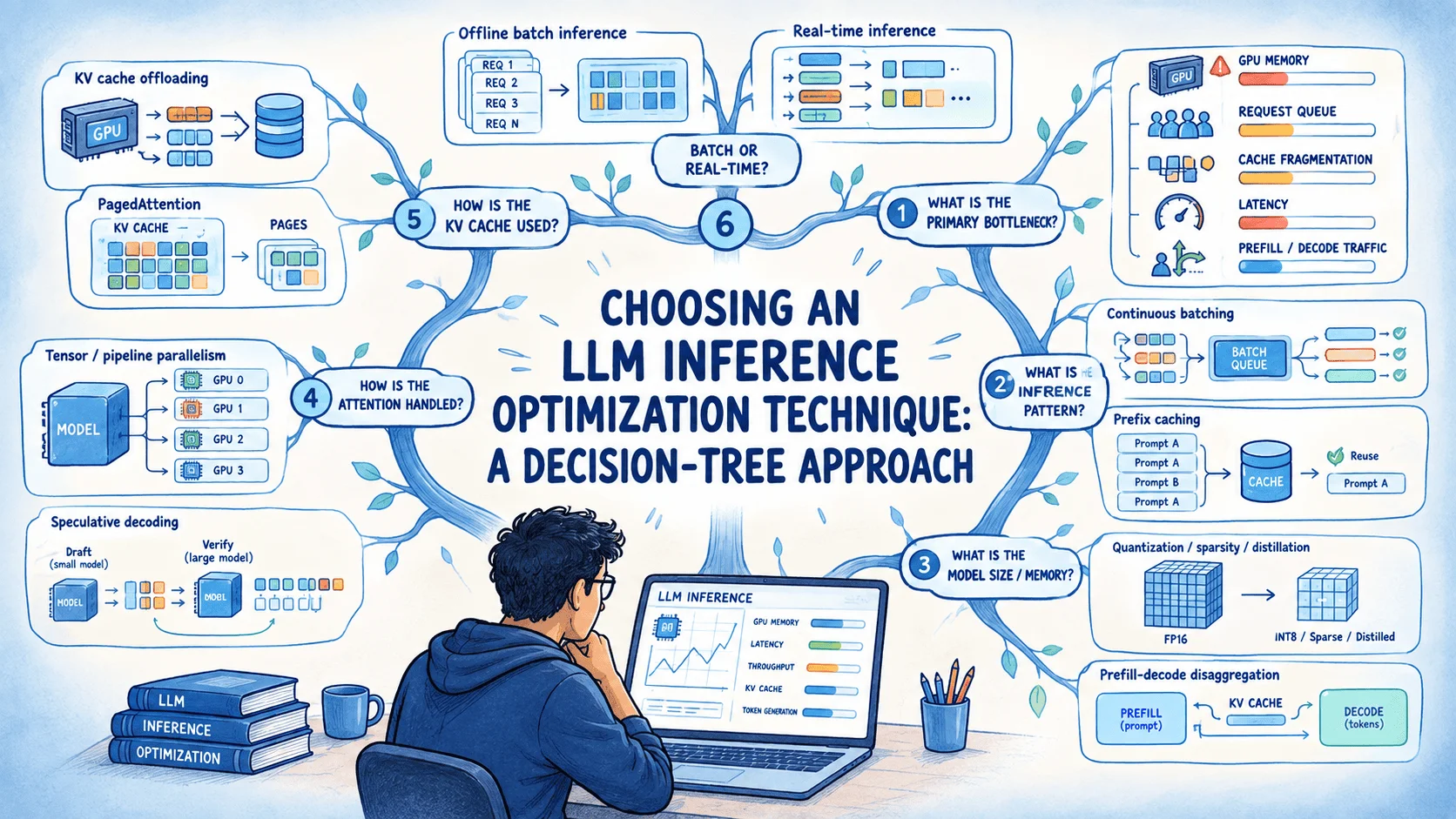
A six-question decision tree matches LLM inference techniques to memory, compute, and traffic bottlenecks to improve performance without unnecessary complexity.
Programming languages, frameworks, and development tools
Found 97 articles
A six-question decision tree matches LLM inference techniques to memory, compute, and traffic bottlenecks to improve performance without unnecessary complexity.
Google’s PLE benchmark puts AI agents through engineering projects with real files and safety checks. Early results show a wide gap to professional requirements.
Fitness progress doesn’t require exhausting every set, following a rigid mileage rule or tracking every workout. Match your routine to your goals and recovery.
Pando speeds OpenAI’s monorepo by storing reusable Git packs and coordinating updates per branch, while keeping standard Git commands.
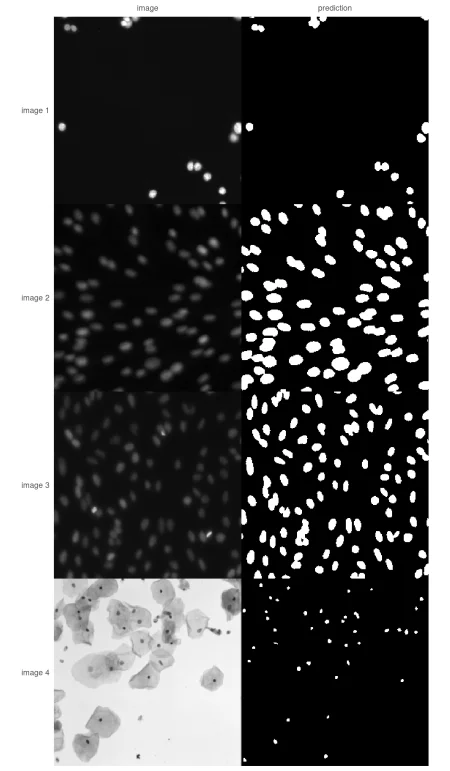
Rebuilt around a PyTorch engine, rplatypus connects R’s medical imaging tools with segmentation, classification and detection workflows.
See how an R agent uses tool calling to query clinical trial data, ground answers in computed results, and report the filters behind each count.
Anthropic added limits to Claude Code to deter game cloning, while developers report refusals on other tasks and turn to older models.
Devin now lets enterprises allocate and track agent spending by team or project, with automatic approvals and session limits when budgets run out.
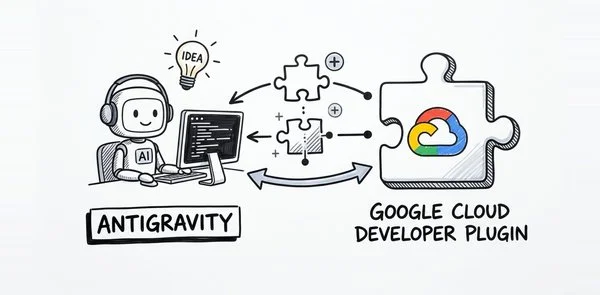
Antigravity’s Google Cloud plugin grounds coding agents in current documentation and adds consent checks, CLI guardrails, and on-demand skills.
OpenAI plans to pool ChatGPT and Codex usage in December, raising questions about capacity, token costs and how much subscribers will be able to track.
Token counts show usage, not results. Track cost per merged pull request and route coding work across owned models and frontier APIs.
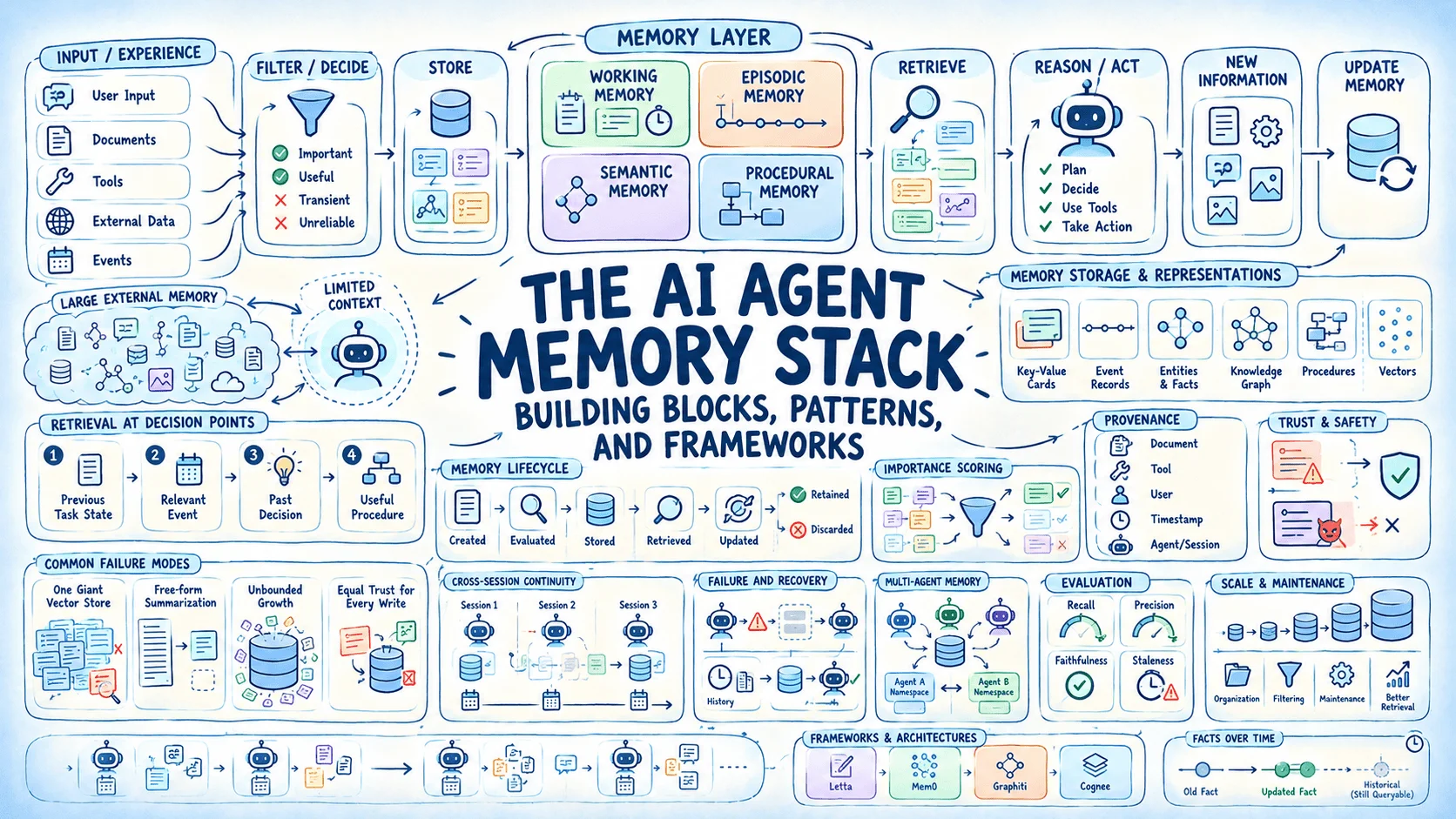
Explore four types of agent memory and how storage and retrieval choices help AI agents resume tasks, retain facts, and reuse past decisions.
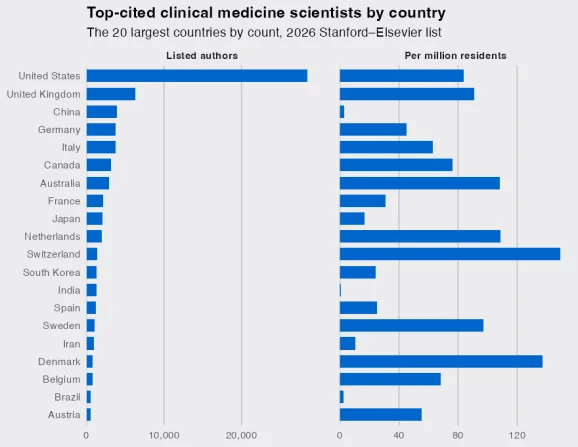
The 2026 Stanford–Elsevier list counts 76,155 top-cited clinical medicine researchers. Population-adjusted rankings put Switzerland and Denmark first.
Aviator Verify checks code against team rules and acceptance criteria, giving reviewers evidence while people decide whether changes match intent.
Docusign Iris links agreements, amendments and business rules so AI agents can surface obligations and route decisions for human review.
In 100 AI answers about CMS platforms with MCP integration, Webflow appeared 49 times. Results varied by engine, highlighting the value of tracking mentions and accuracy.
Andy Jassy expects several AI models to converge on similar capabilities, putting the focus on flexible access and choosing the right model for each task.
Terra tied Opus on browser triage, led a cell-tracking test and completed a data audit Opus didn’t finish in these single-run comparisons.
Recreate MICE in R to understand chained equations, multiple imputation, and Rubin’s rules through a practical simulation.
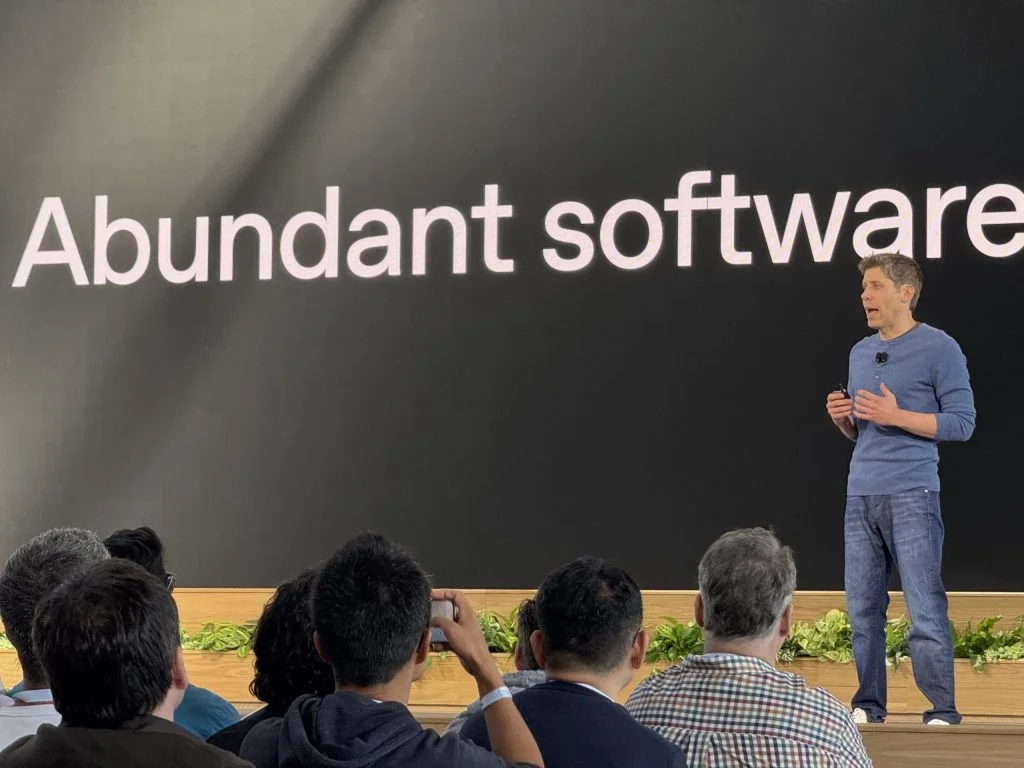
Tech leaders welcome faster software creation, while warning that coding knowledge, intentional design, safety and affordability still matter.