AI Coding Tools Raise Questions About Developer Skills, Safety and Access
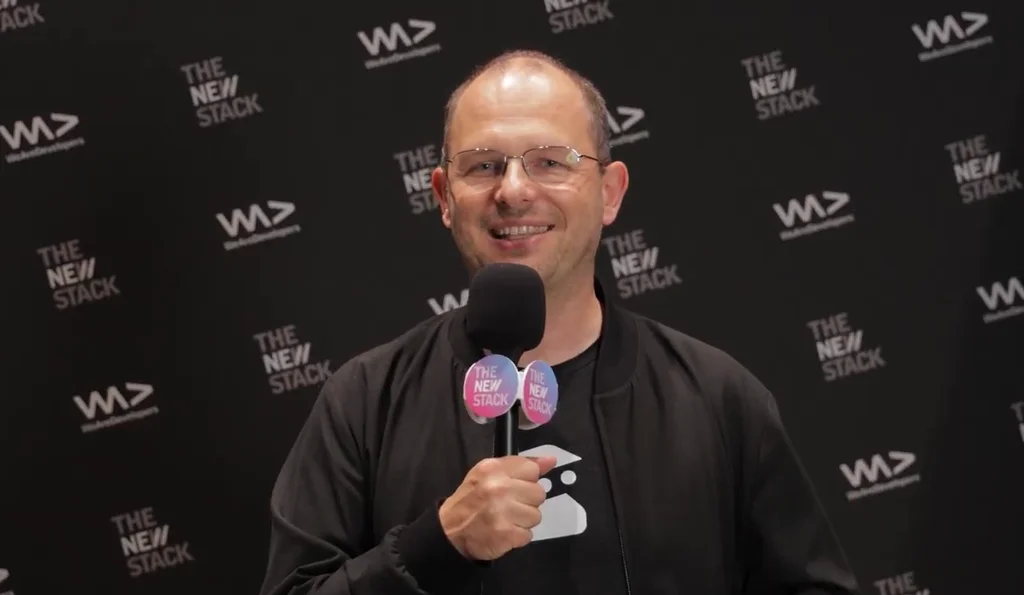
AI tools are widening the circle of people who can build software. The harder question is whether that new speed will bring enough understanding, safety and access along with it. That tension came through in conversations with technology leaders at WeAreDevelopers World Congress North America in San Jose last September.
Thomas Dohmke, former GitHub CEO and co-founder of Entire, said he’s excited that more of his ideas can become working software. But he worries that people may take AI assistance as a reason to skip learning how software works.
“What worries me is that people think they no longer need to learn coding.”
For Dohmke, basic computer science belongs alongside subjects such as math, biology and geography in every child’s education. His view carries particular weight as Entire enters the developer tools market: the startup recently launched a GitHub alternative called Trails, where AI agents review code changes and developers supervise the process. The product puts human oversight at the center of an increasingly automated workflow.
More builders, more responsibility
Josh Bentley, SAP’s senior director of community advocacy, sees AI and other accessible tools compressing work that once took weeks or months into a few hours or days. The speed is welcome, but he questions whether people understand the systems they’re creating.
“People are getting recognized as a builder when they really don’t understand the context of what they’re building,” Bentley said.
Darko Mesaroš, distinguished developer advocate at AWS, shares the enthusiasm for broader participation, along with concern about poor code and what he called “AI slop.” For him, the goal isn’t simply to increase output; builders need to make deliberate choices about what they create and how they use AI.
“I want people to be able to build more stuff, but I want people to build stuff more intentionally.”
That expectation also applies to companies deploying AI agents. Mark Cavage, Docker’s president and chief operating officer, said the industry needs to establish trustworthy safeguards and practical efficiencies quickly enough to keep pace with adoption.
“The thing that worries me about it, of course, is that actually we as an industry don’t figure out quickly enough how to bring ourselves new efficiencies and trust and safety around it,” Cavage said.
Access and speed shape the opportunity
GitHub senior director of developer advocacy Cassidy Williams is excited by tools that let people turn an idea into something tangible with machine assistance. She also wants safeguards that help people use those tools safely, and pricing that doesn’t exclude them. People should be able to participate in the future of software without being priced out, she said.
For Matt Hobbs, PwC’s head of Cloud, Engineering, Data, and AI, the pace of change means teams can revisit work they’ve already done and improve it. He described rebuilding software to make it faster, safer and more suitable for enterprise use.
Frederic Branczyk, Dash0’s vice president of data engineering, called himself cautiously optimistic. AI is helping his company shape customer offerings and its own internal work, but the problems ahead remain unsettled. “None of us really have the answers to all the problems that we’re facing together,” he said.
My read is that these leaders see AI’s value in widening access and shortening the path from idea to working software. The durable gains will depend on whether teams pair that speed with technical understanding, intentional design, dependable safeguards and affordable tools.
The interviews are part of The New Stack’s six-video Inside WeAreDevelopers series. The other five videos cover what developers should try next, what attendees miss beyond the main stage, and what brings people together:
- What should every developer get hands-on with right now? — Speakers discuss GPU programming, local AI models, agent frameworks and sandboxes.
- What people missed at WeAreDevelopers — Attendees talk about technical debates and unexpected career connections away from the stage.
- What tech industry experts enjoy most about developer events — Hallway conversations, familiar faces and long debates make the event more than its recorded sessions.
- Exciting releases for developers — Speakers highlight agent tools, Git infrastructure, observability and cloud sandboxes.
- What tech leaders are focused on right now — Teams discuss agent development, engineering guardrails, infrastructure and data privacy.
The post What worries Entire co-founder Thomas Dohmke about the future of tech? appeared first on The New Stack.