Python JSON Serialization for Machine Learning Configurations and Custom Types
Use custom JSON encoders, decoders, defaults, and migrations to preserve Python types and handle malformed or evolving machine learning configurations.
Artificial intelligence and machine learning news
Found 247 articles
Use custom JSON encoders, decoders, defaults, and migrations to preserve Python types and handle malformed or evolving machine learning configurations.
Bitcoin’s $80,000 support faces pressure amid a Fed rate decision, PCE inflation data and major tech earnings that could shape risk appetite.
A Hilbert curve maps battle locations onto a timeline, revealing regional patterns and conflicts that are harder to spot on a conventional map.
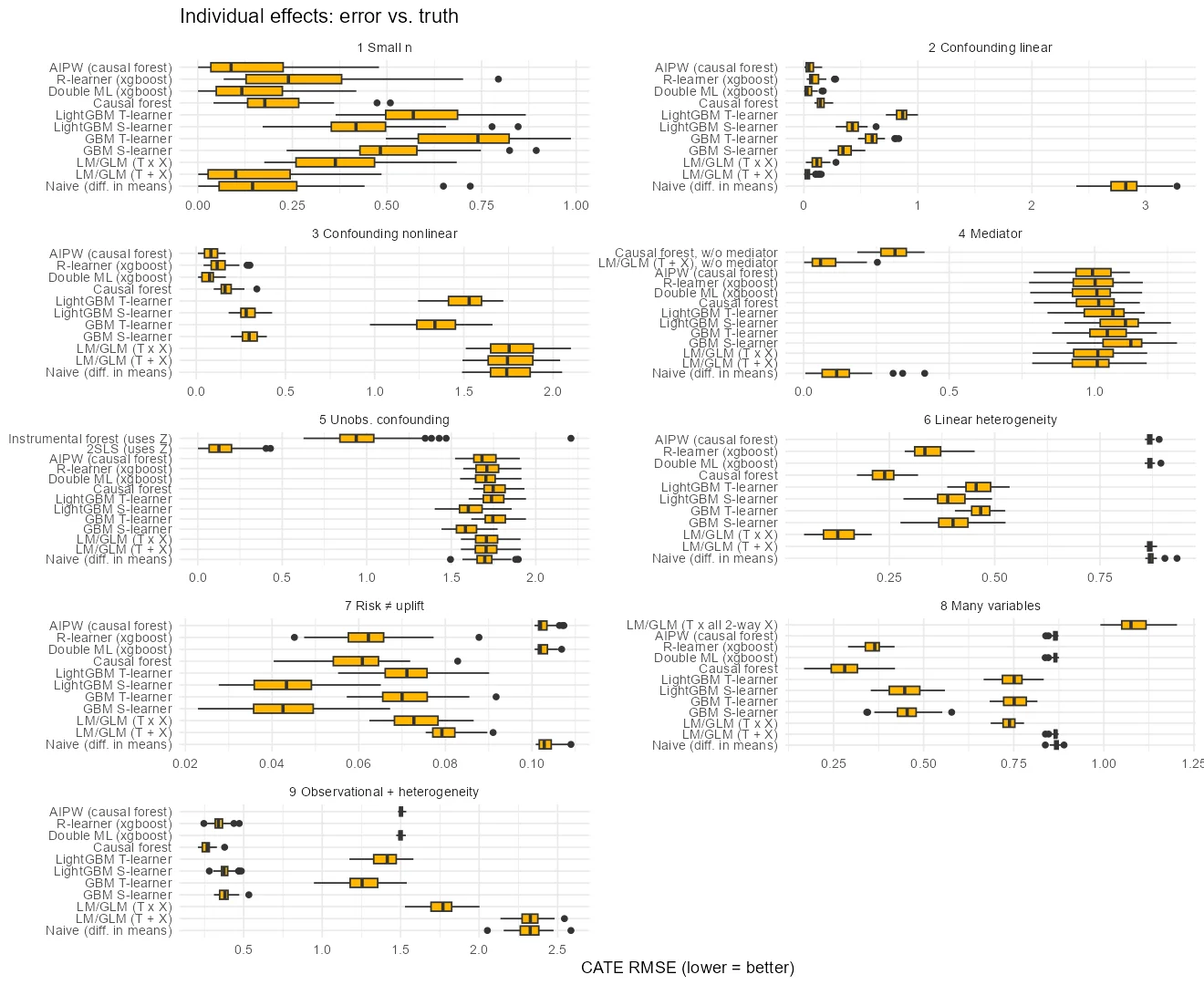
Simulations show that credible causal estimates depend on sound study design. Choose methods based on whether you need average effects, response rankings, or individual effects.
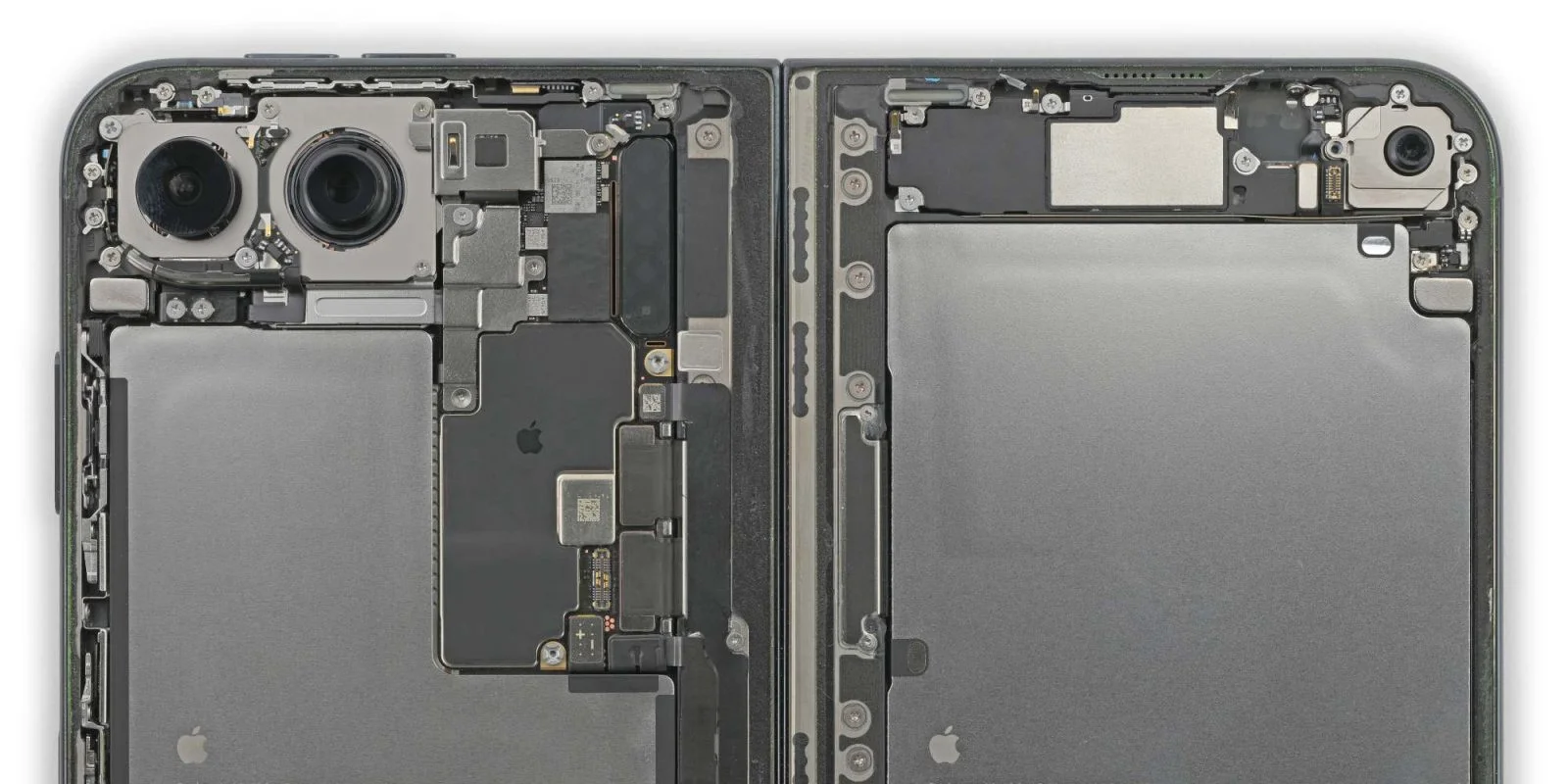
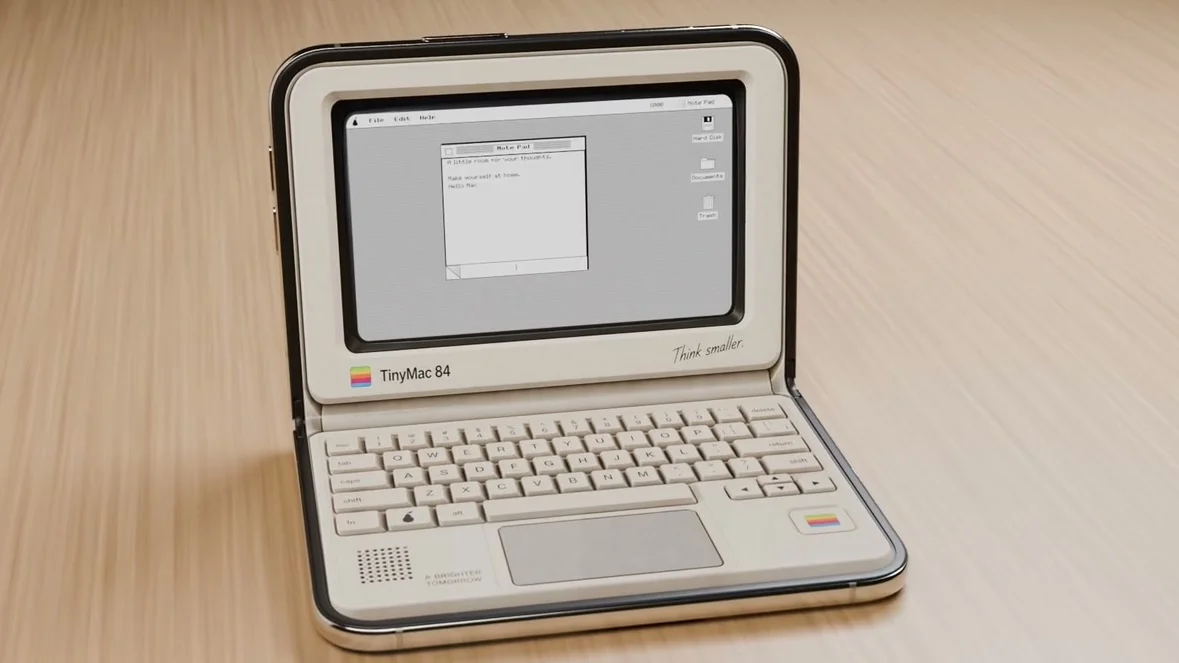
The iPhone Duo earns iFixit’s highest foldable repairability score yet, while hinge geometry offers possible clues to reported screen failures.
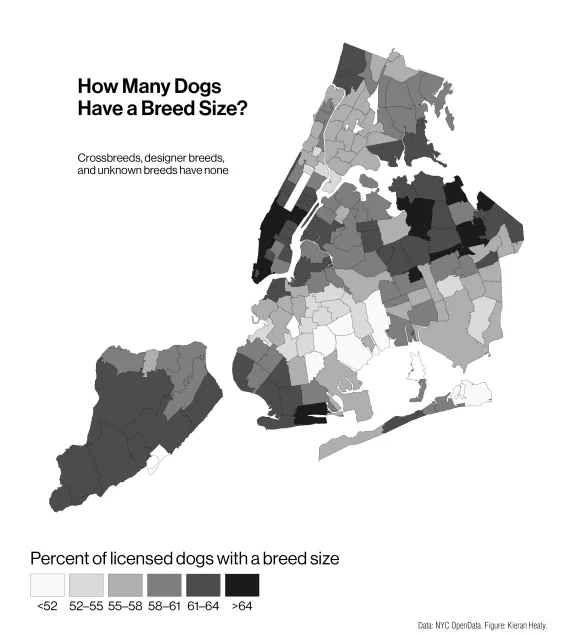
Breed data suggests New York’s higher-income ZIP codes have heavier dogs, while housing size explains little of the pattern.
Kubernetes handles AI inference at scale, but agents need tighter isolation, better monitoring and startup times measured in milliseconds.
A base R approach that splits only the needed column cuts grouped operation time and memory use, with bigger gains as group counts grow.
Agent coding raises delivery speed, but verification sets the limit. Fast, realistic, parallel checks are the foundation for safe autonomy.
HPA, VPA, KEDA, GitOps and node autoscalers can pull workloads in different directions. Coordinated capacity decisions could reduce thrashing and waste.
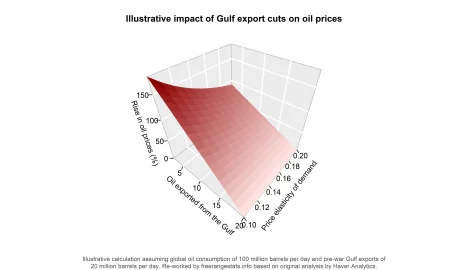
A line chart makes the link between Gulf oil exports and potential price rises easier to read, while showing how demand elasticity changes the estimate.
GPU utilization and queue depth can mislead. Tie deadlines, serving capacity, quality, and infrastructure costs to verified outcomes before adding GPUs.
Developers are using the iPhone Duo’s hinge and two displays for playful apps, from a virtual accordion to a Nintendo DS-style emulator.
Vercel is pushing Marketplace vendors toward OIDC and short-lived tokens, while its own GitHub Actions deployment migration remains in progress.
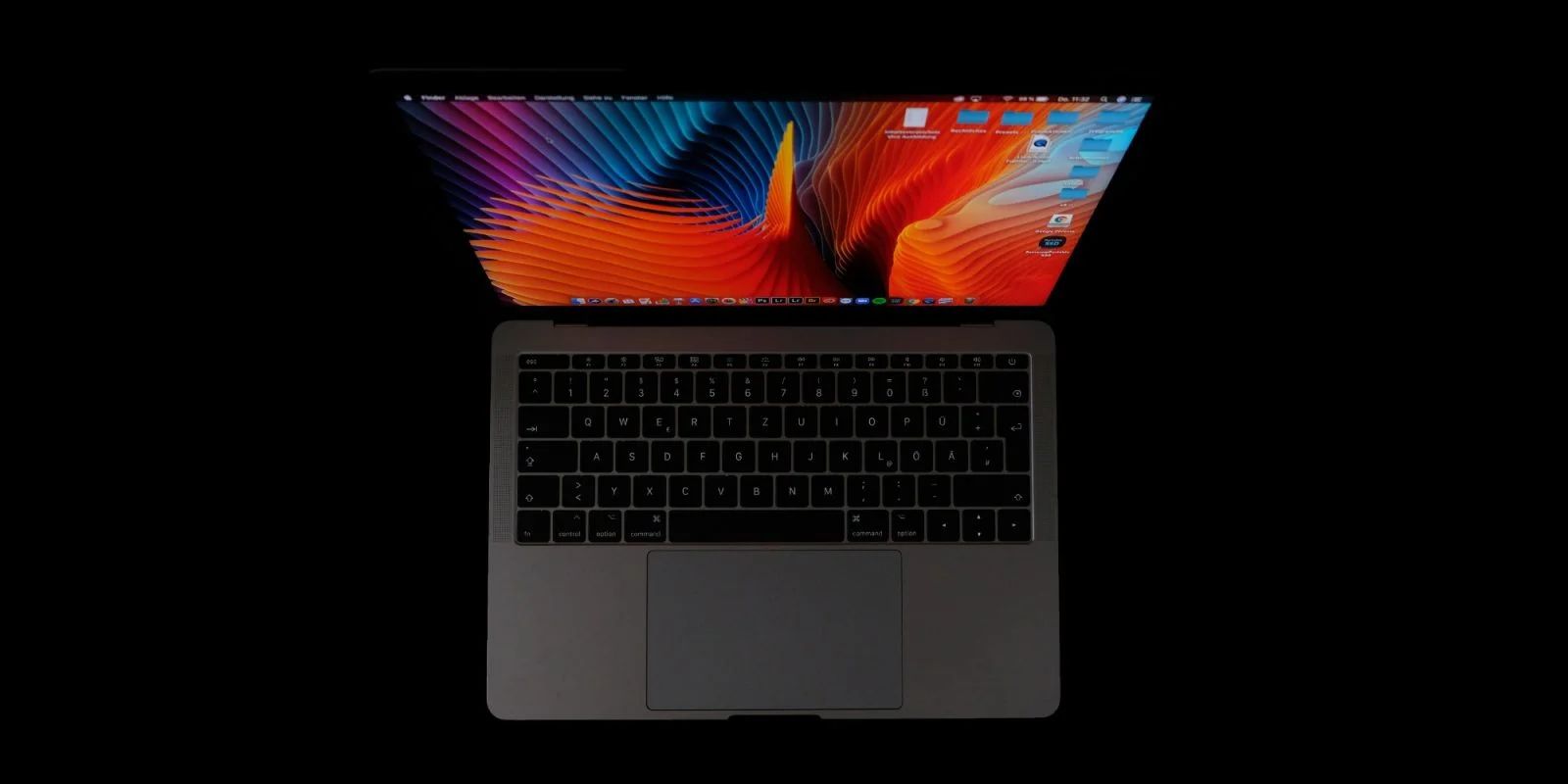
Apple’s rumored October 28 MacBook Pro pairs a major hardware redesign with existing M5 Pro and M5 Max chips, putting the focus on price and display upgrades.
AI workloads are revealing gaps in Kubernetes restart diagnostics and GPU scheduling. Better coordination and operational visibility can help teams keep clusters productive.
iPhone Duo buyers can find carrier savings up to $1,200, while this week’s deals also cut prices on accessories, Macs and Samsung TVs.
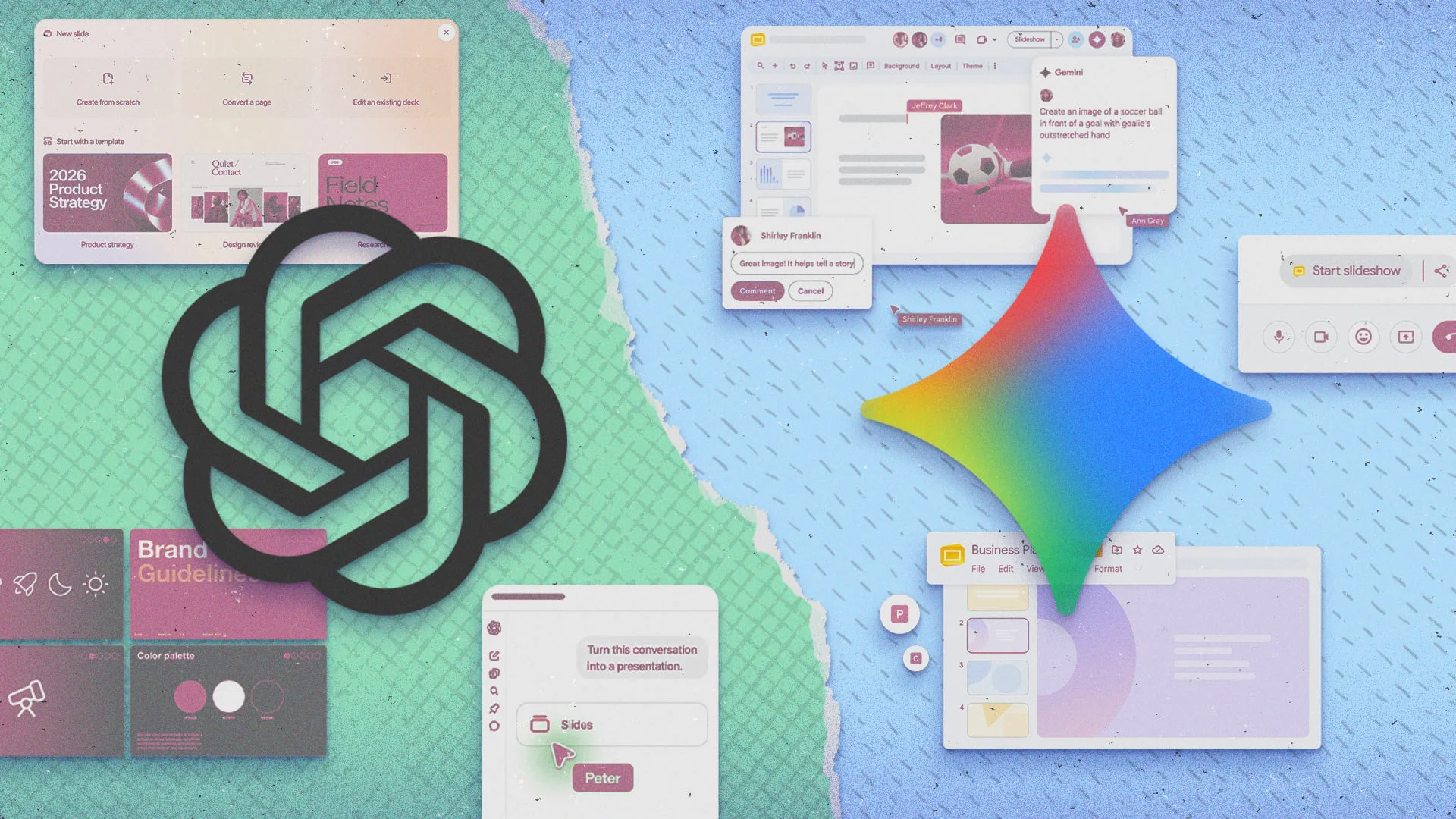
ChatGPT Slides creates fuller decks with useful editing controls, while Gemini delivers stronger layouts. Both still need human review for accuracy and flow.
The $1,999 iPhone Duo pairs a striking foldable display with usability compromises, while Apple’s next MacBook Pro models may add OLED touchscreens.
Swif is adding Linux support and device controls for enterprise teams, while gaps in desktop features and AI agent oversight remain.