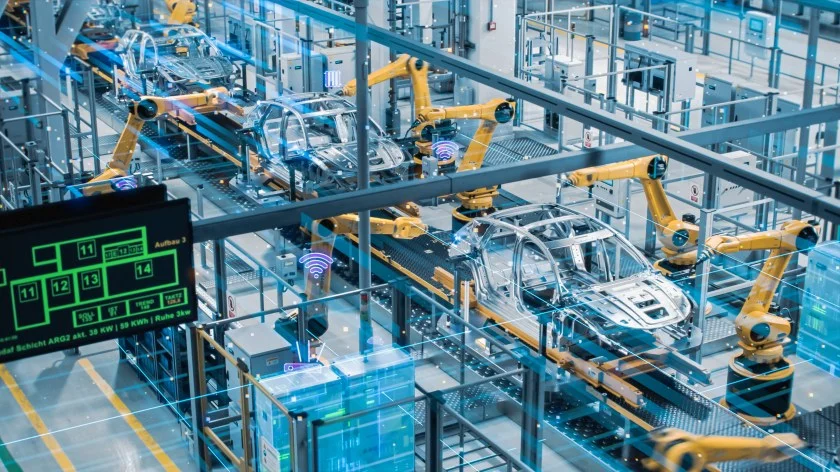
Industrial Intelligence Connects Factory Know-How to Physical AI
Manufacturers can turn shop-floor experience and production data into action, using physical AI to improve decisions while keeping people in control.
Development operations, CI/CD, and automation
Found 88 articles
Manufacturers can turn shop-floor experience and production data into action, using physical AI to improve decisions while keeping people in control.
A study of 13.5 million NYC 311 reports uses address-level counts to map the complaints most distinctive to each residential neighborhood.
A Kubernetes working group is defining objective tests for workload security, resilience, resource use and more, with a first specification targeted within two to three release cycles.
Anthropic casts itself as a safety leader and a frontier AI contender. Its IPO filing sharpens questions about how those roles fit together.
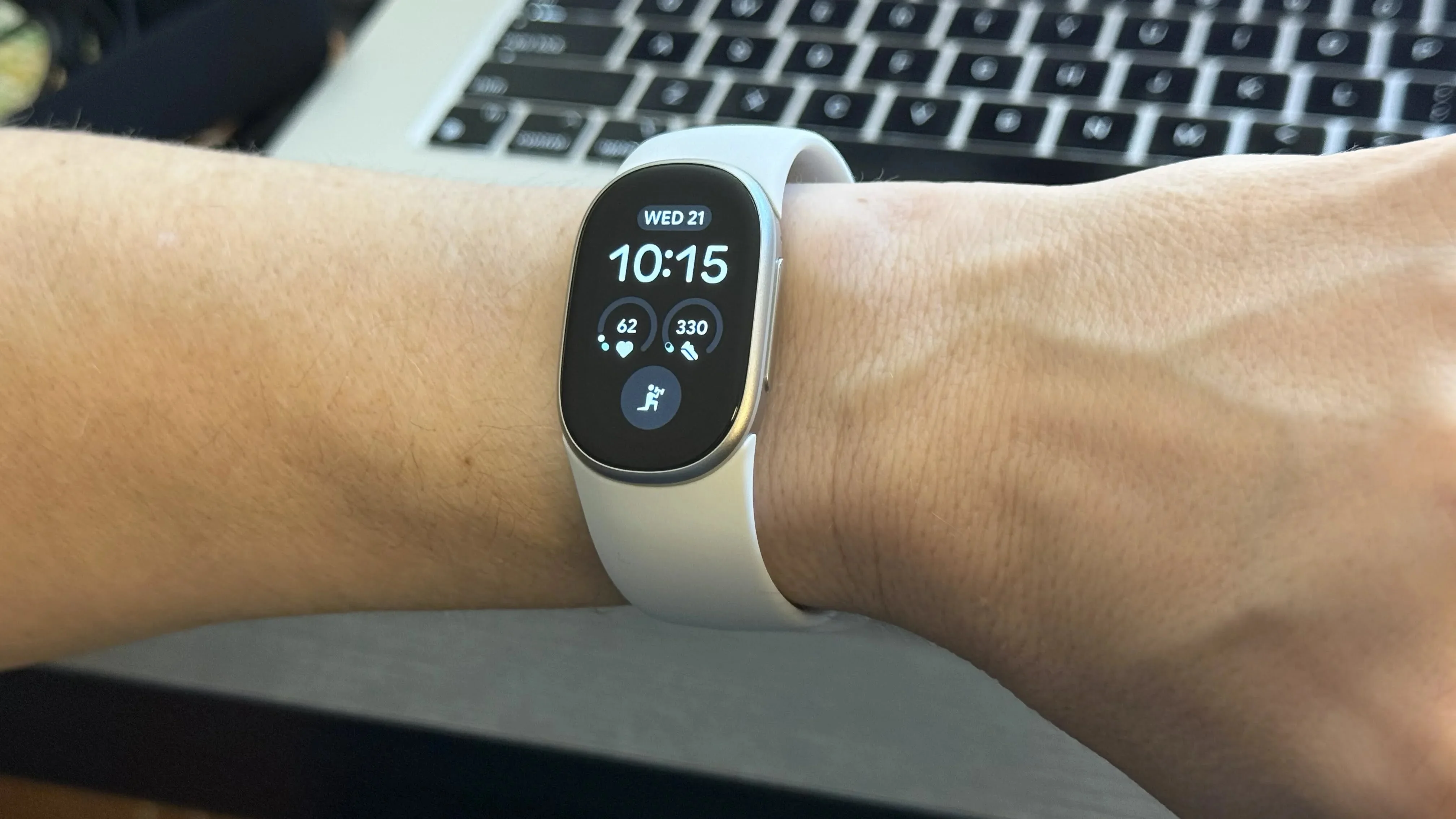
Fitbit Edge improves on the Charge 6 with accurate sensors, reliable music controls and a better fit, though it lacks contactless payments.
Apple’s redesigned iPad mini gains an 8.5-inch OLED display, faster connectivity and IP67 protection, but starts $100 higher.
KubeVirt is expanding beyond VM orchestration with Kubernetes-native device allocation, confidential computing and support for alternative virtualization stacks.
Vintage fashion, niche skills and fast-moving memes reveal how young creators build identity online—and how quickly viral fame can fade.
MiniMax M3.1 Flash cost less in three small tests, but it wasn’t faster overall and didn’t improve graded task scores over M3.
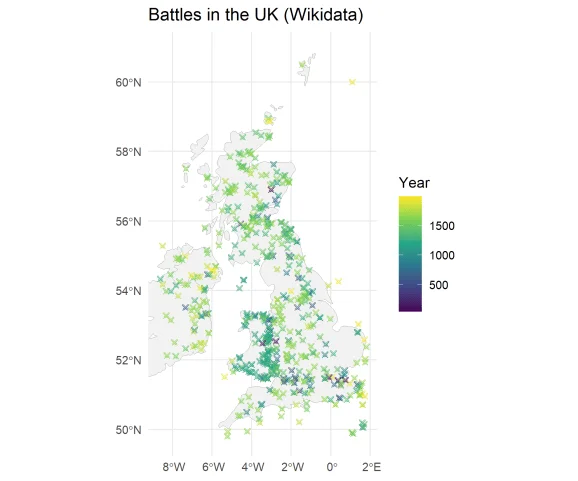
A Hilbert curve maps battle locations onto a timeline, revealing regional patterns and conflicts that are harder to spot on a conventional map.
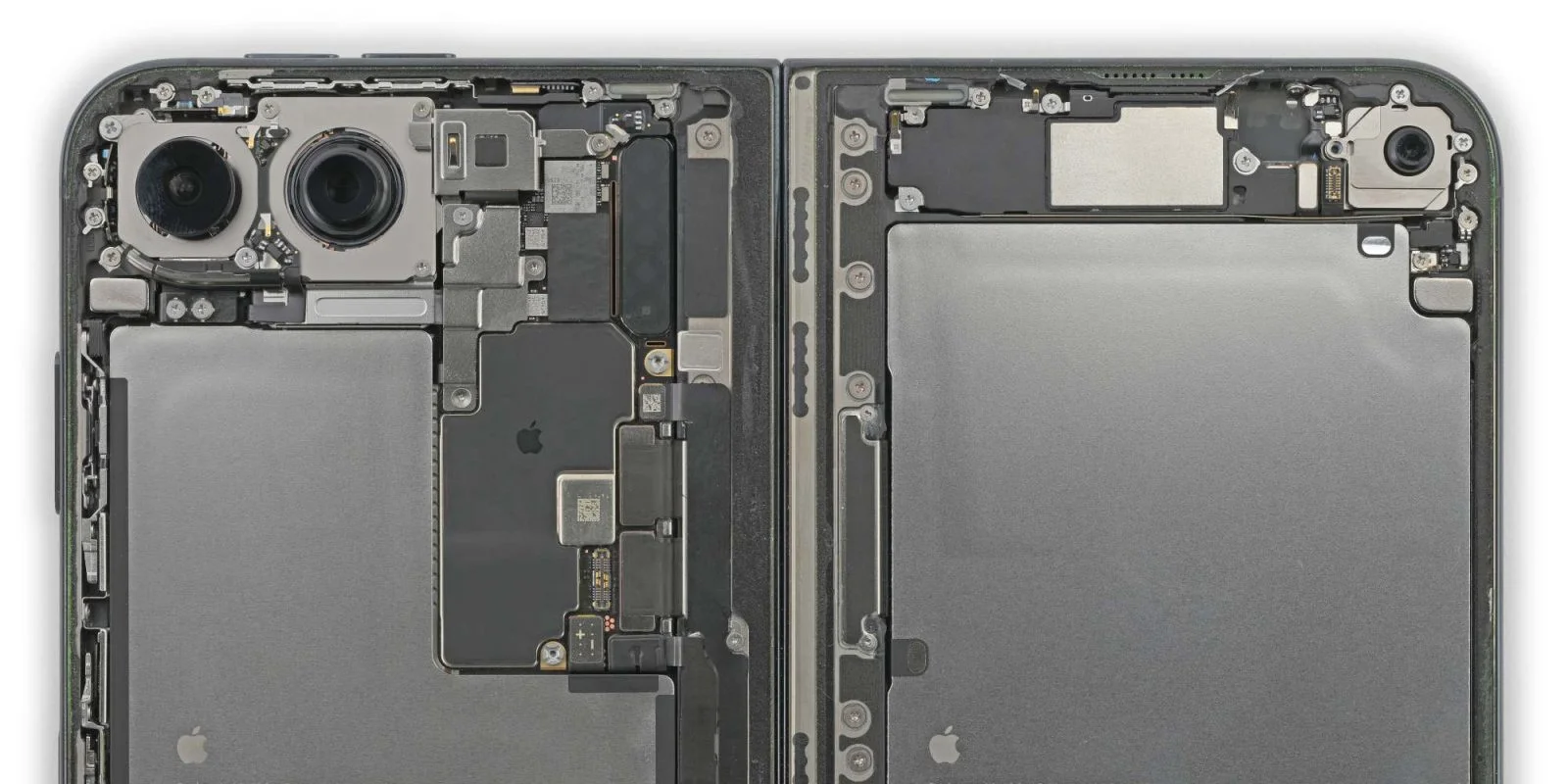
The iPhone Duo earns iFixit’s highest foldable repairability score yet, while hinge geometry offers possible clues to reported screen failures.
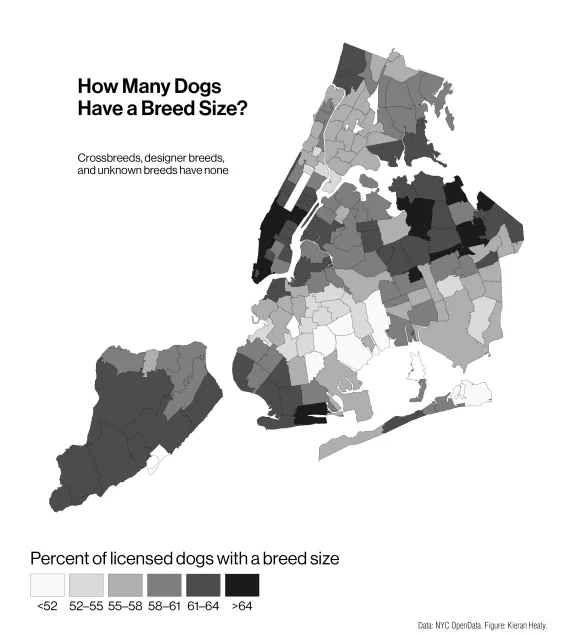
Breed data suggests New York’s higher-income ZIP codes have heavier dogs, while housing size explains little of the pattern.
Kubernetes handles AI inference at scale, but agents need tighter isolation, better monitoring and startup times measured in milliseconds.
HPA, VPA, KEDA, GitOps and node autoscalers can pull workloads in different directions. Coordinated capacity decisions could reduce thrashing and waste.
GPU utilization and queue depth can mislead. Tie deadlines, serving capacity, quality, and infrastructure costs to verified outcomes before adding GPUs.
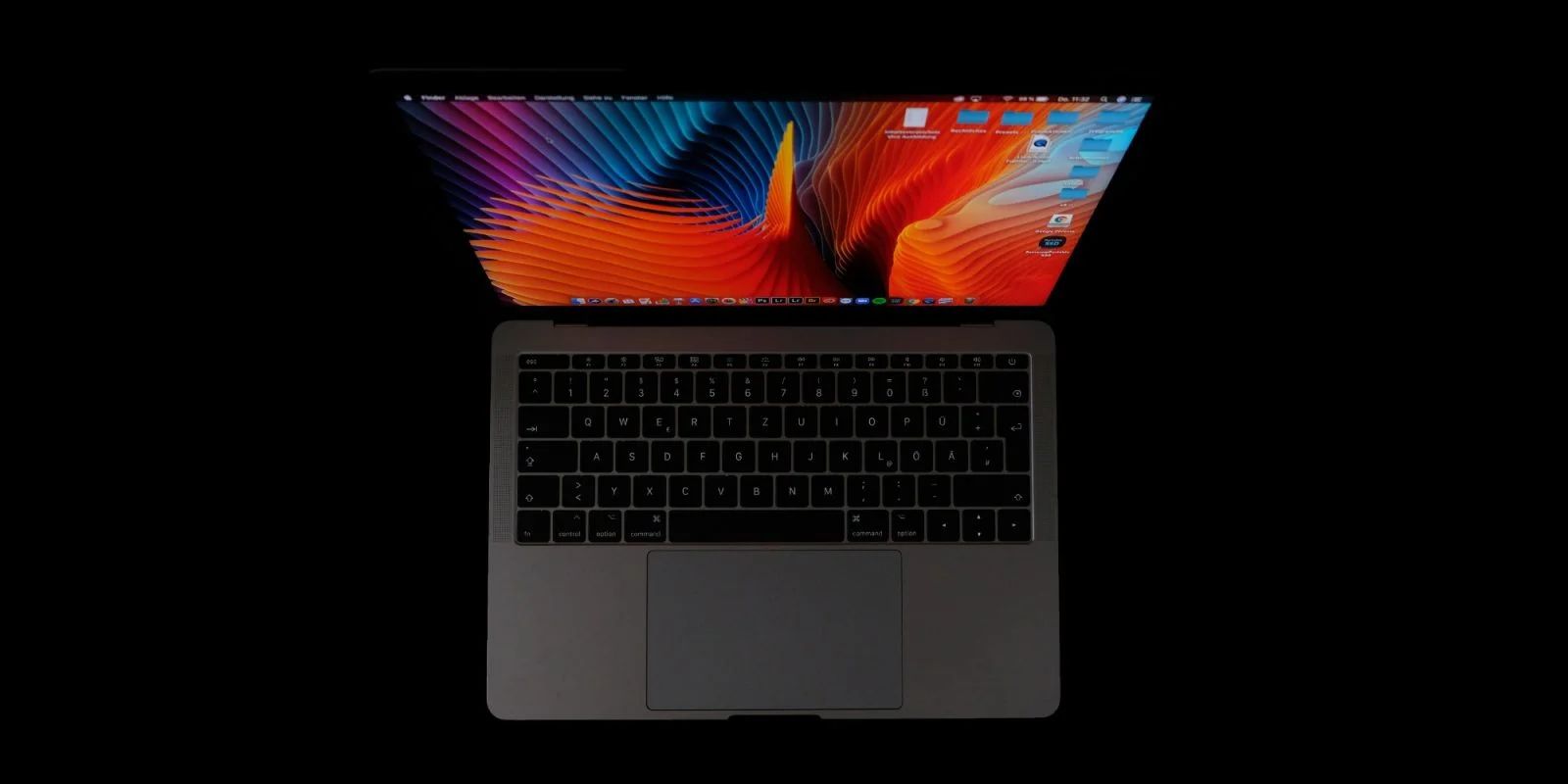
Apple’s rumored October 28 MacBook Pro pairs a major hardware redesign with existing M5 Pro and M5 Max chips, putting the focus on price and display upgrades.
AI workloads are revealing gaps in Kubernetes restart diagnostics and GPU scheduling. Better coordination and operational visibility can help teams keep clusters productive.
iPhone Duo buyers can find carrier savings up to $1,200, while this week’s deals also cut prices on accessories, Macs and Samsung TVs.
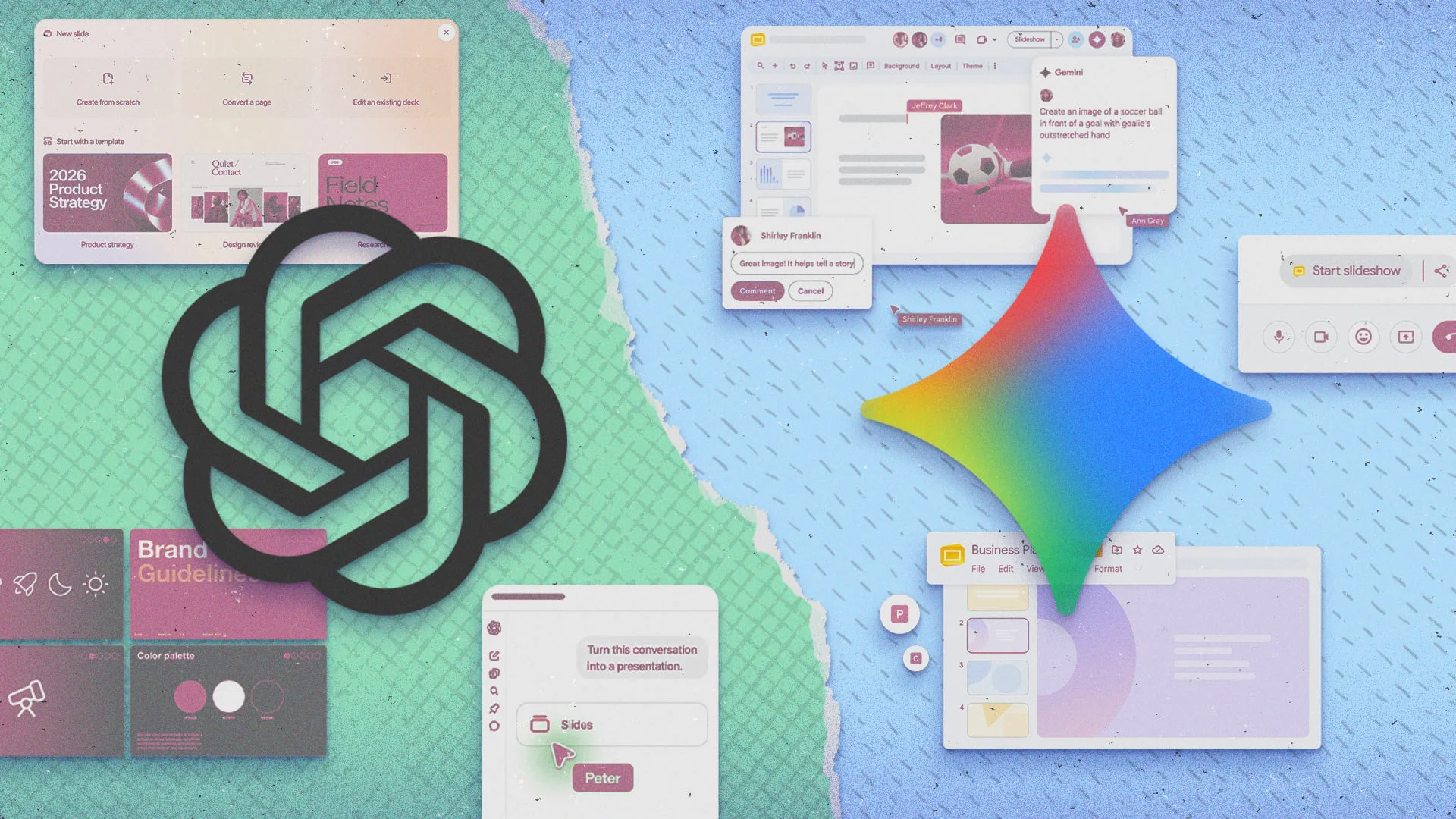
ChatGPT Slides creates fuller decks with useful editing controls, while Gemini delivers stronger layouts. Both still need human review for accuracy and flow.
The $1,999 iPhone Duo pairs a striking foldable display with usability compromises, while Apple’s next MacBook Pro models may add OLED touchscreens.