OLED Touchscreen MacBook Pro Could Start at $2,899, With Redesigned Cooling
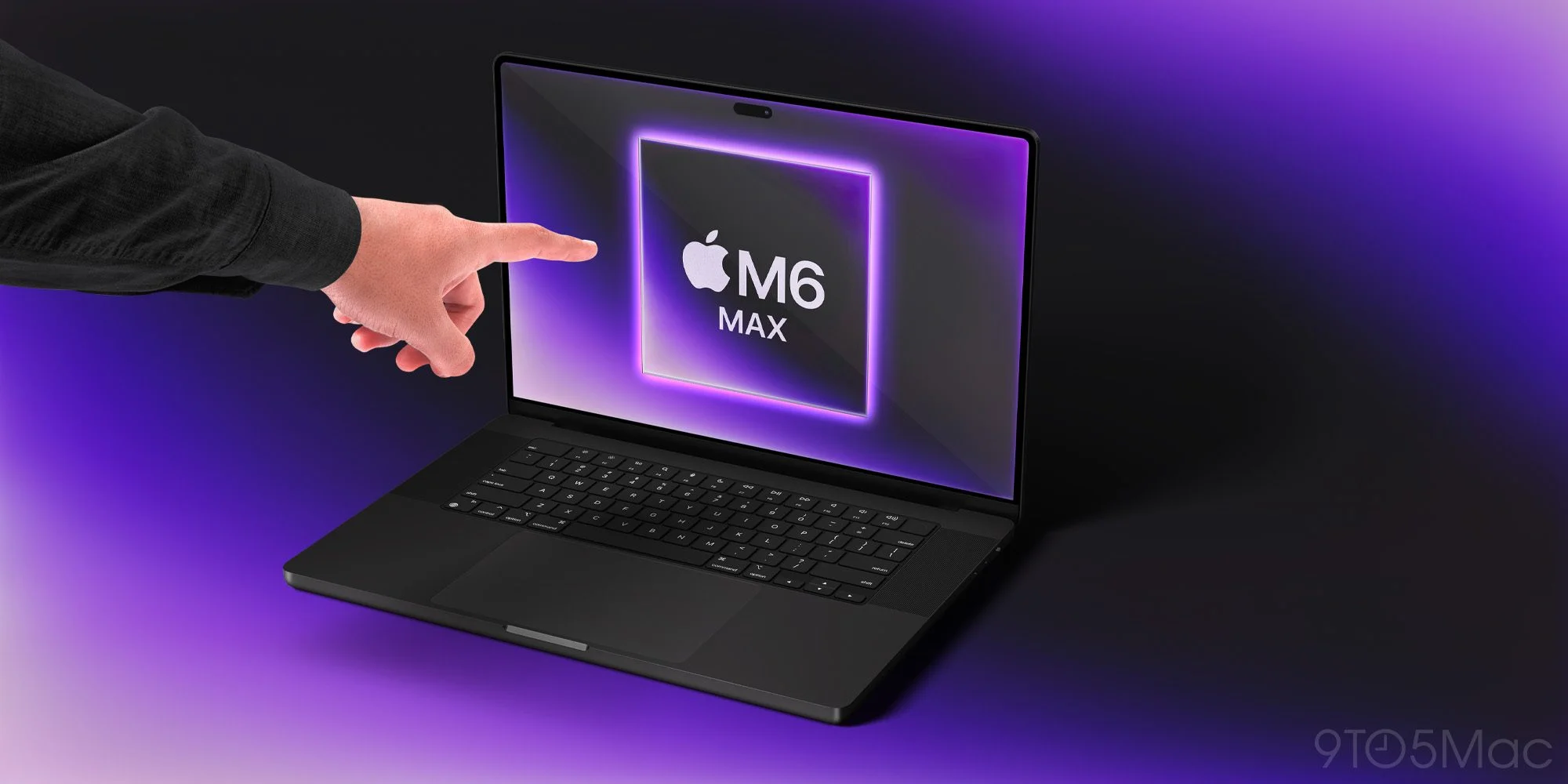
Apple’s rumored touchscreen MacBook Pro appears set to add a premium tier to the lineup, rather than replace its existing laptops. The reported $2,899 starting price for the 14-inch model puts the redesign’s cost alongside its OLED display and reworked thermal system as the key details ahead of Apple’s October 28 event. That price makes touch a major part of the product’s positioning, not a minor convenience added to a familiar laptop.
Touchscreen models may sit above today’s MacBook Pros
Bloomberg reporter Mark Gurman says Apple has discussed pricing the 14-inch touchscreen MacBook Pro with an M5 Pro chip at $2,899. If the 16-inch model keeps the $500 gap indicated by the reported prices, its starting price would be at least $3,399. Those figures remain reported pricing, rather than confirmed prices from Apple, but they suggest the new screen and chassis could carry a substantial premium within the Pro range.
That would put the 14-inch model $700 above the $2,199 starting price for the M5 Pro MacBook Pro before Apple’s June price increases. The 16-inch version would be at least $700 above its earlier $2,699 starting price. For buyers comparing models, the key question won’t be simply whether touch is useful; it’ll be whether the rest of the redesign justifies paying more for a laptop that still keeps the familiar MacBook form factor.
Apple raised Mac and iPad prices in June, and the new figures would mark another substantial step up in only four months. At $2,899, the 14-inch machine would also exceed the $2,799 price of the 17-inch MacBook Pro Apple introduced in 2006. That comparison gives the new price historical scale, though the two laptops belong to different product eras and aren’t directly comparable in capability or design.
Gurman expects Apple to keep selling non-touch MacBook Pros alongside the redesigned models. In a post on X, he said stores were stocked with the current 14-inch model at $2,499 and 16-inch model at $2,999, and he didn’t expect either to disappear at the event. If that’s right, customers could choose between a less expensive established design and a higher-priced model built around touch, OLED, and a slimmer body.
That lineup would make touch an expensive choice even for buyers mainly interested in the new design. Apple’s rumored OLED models are expected to include a Dynamic Island, slimmer bezels, a thinner and lighter body, and a hinge designed to keep the screen steady during touch input. The combination matters: a touchscreen on a laptop can change how people interact with the display, but the hinge and chassis have to handle that pressure without making the machine awkward to use.
Cooling changes and a four-year development path
The latest report adds a detail with practical implications: Apple has redesigned the cooling system to move airflow through the hinge while reducing the laptop’s weight. That suggests the hinge serves a functional role beyond supporting the display, though the report doesn’t specify how the change affects performance or fan noise. In laptops generally, thermal design can shape how consistently a system performs under sustained workloads, so the airflow route will be worth watching once the machine is available for review.
The touchscreen project also reflects a shift in Apple’s thinking about the Mac. Gurman’s sources say CEO Tim Cook approved the effort roughly four years ago, partly because customers had repeatedly requested touchscreens. One person familiar with the decision recalled Cook saying, “He said we should just do it.” That account points to a decision made after sustained customer demand, rather than a sudden reaction to a single product cycle.
John Ternus, who oversaw development, reportedly argued internally that touchscreens had become a standard laptop feature and that Apple had fallen behind. The design pairs touch input with a MacBook Pro form factor, rather than signaling a move away from the existing keyboard-led experience. Here’s the thing: adding touch is easy to describe, but its value depends on whether macOS and the hardware make it useful in everyday work.
Orders could open October 28
Apple is expected to announce the touchscreen MacBook Pros at its October 28 “Pro and Tell” event. Gurman’s report says preorders could begin that day, with availability potentially starting November 6. The launch may coincide with new Macs powered by the M6 chip. Those timing details are reported expectations, so the event itself should clarify which models are arriving and when customers can buy them.
The reported pricing puts the redesigned models in a category where buyers will weigh the OLED screen, touch support, and lighter construction against a significant premium. Apple’s decision to keep current models on sale would give customers a lower-priced route into the MacBook Pro line, while reserving the new hardware for those who want its updated design and touch interface. The numbers here are underwhelming if touch is the main draw; the case gets stronger if the display, weight, and thermal changes also make a noticeable difference.
What the premium tier signals
This is more significant than it looks: Apple appears to be testing whether customers will pay extra for a Mac that changes how they interact with the screen while keeping the established laptop format. If you’re working in this space, the product will be a useful test of whether touchscreen demand translates into purchases when touch comes bundled with other premium hardware. And yet, the reported prices leave little room for touch to feel like a small bonus.
(And this is the part most people overlook.) A high starting price could make the continuing non-touch models an important part of the story, since they’d preserve a familiar option for buyers who value the MacBook Pro’s performance and display but don’t need touch input. Apple’s tiering will shape how customers interpret the redesign: as a new default direction for the Mac, or as a specialized, more expensive branch of the lineup. The answer will depend on the final specifications and how well the new interface fits the work people already do on a Mac.
For now, the reports describe a costly redesign with several linked changes: touch, OLED, a thinner and lighter body, and airflow routed through the hinge. That’s a meaningful package on paper. The event and subsequent hands-on use will show whether those changes feel like one coherent upgrade or a list of features attached to a higher price.