Using HSA or FSA Funds for Fitness Trackers: Eligibility and Medical Necessity
Using up an FSA balance can feel like a year-end shopping deadline, and fitness wearables are increasingly being pitched as an eligible expense. That pitch deserves a closer look: a brand’s claim that you can pay with FSA or HSA funds doesn’t, by itself, explain whether the purchase qualifies for your plan.
Brands including Whoop, Oura, and Nike have promoted this route for trackers and smartwatches. The range of products being marketed is broad, from a Google Fitbit Air to smart rings and activity bands. If you’re considering one, the real question is whether the payment process is as simple as the ads suggest. This article looks at what to know before spending remaining FSA funds on less obvious healthcare costs.
We may earn a commission from links on this page.
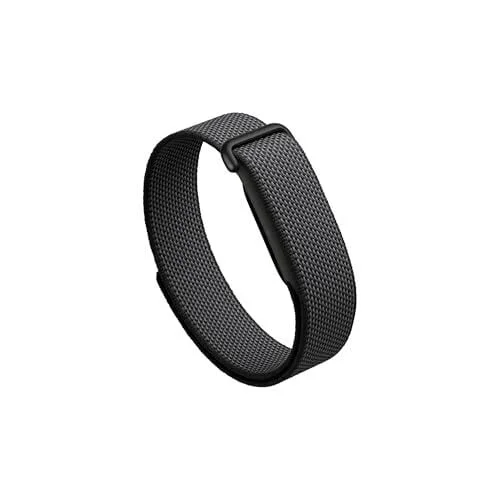 Google Fitbit Air — $99.99 at Amazon
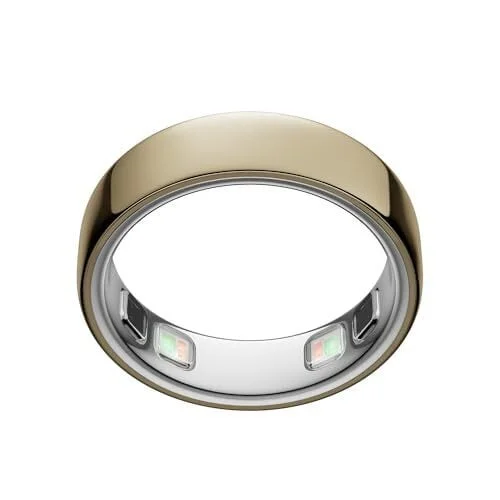 Oura Ring 5 — $499.00 at Amazon
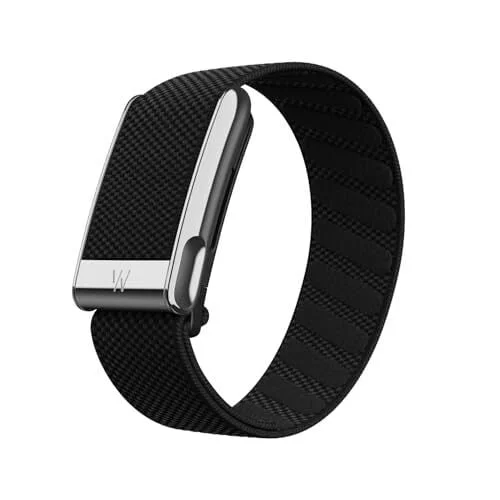 WHOOP 5.0/MG Activity Tracker — 12-month membership — $359.00 at Amazon
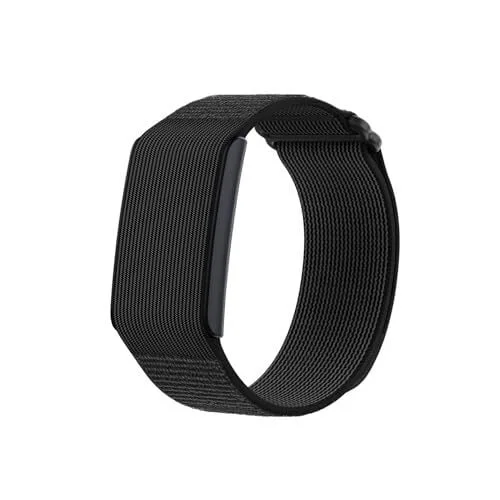 Amazfit Helio Strap Screenless Activity Tracker — $99.00 at Amazon
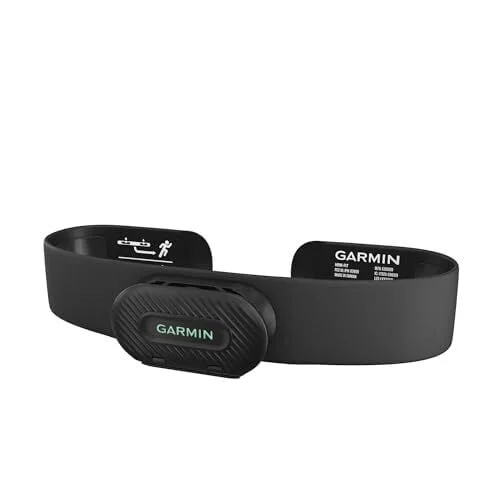 Garmin HRM-Fit — $89.99 at Amazon (was $149.99; save $60.00)
How to pay for a fitness tracker with HSA or FSA funds
HSA and FSA money usually won’t cover the full price of a fitness tracker or smartwatch. For eligible purchases, the typical benefit is roughly 30% in tax savings. Eligibility depends on whether the device supports treatment or monitoring for a specific medical condition; “general wellness” alone usually doesn’t qualify.
The paperwork is the sticking point. You’ll generally need a Letter of Medical Necessity (LMN), a clinician’s note stating that a particular product is appropriate for your condition. As I’ve explained before, that requirement can make an ordinary-looking wearable purchase less straightforward than the checkout button suggests.
You may be able to get an LMN without booking an appointment with your regular doctor. Some retailers, including Coros and Amazfit, offer “Pay With Truemed” at checkout. The service asks about your health and matches you with a provider to assess eligibility. If approved, you receive an LMN and can use HSA or FSA funds toward the purchase. People have also reported getting an LMN without a doctor’s appointment.
Truemed says on its site that “90% of LMNs are issued within seven hours.” I spoke with co-founder and CEO Justin Mares about the process. An independent licensed provider reviews your survey before deciding whether the item appears medically necessary. Truemed screens requests first, so cases it expects to fail aren’t sent on for a formal decision. That helps explain the company’s high reported approval rate, though it doesn’t tell us how often people who start the process are screened out.
Mares says clinicians often make these judgments using the same “standard of care” they’d apply in a routine appointment. A family history of high blood pressure, for example, may be enough to begin discussing risk management without first ordering lab work. The intake form asks about health history, and a licensed clinician weighs those answers and their own judgment. Mares says many Americans can report a relevant marker, such as weight or cholesterol, that may support a preventive use for a device such as a Fitbit Air.
Approval still isn’t automatic. An LMN applies to you, a specific product, and a particular merchant, and it’s commonly tied to a condition such as cardiovascular risk, pre-diabetes, sleep problems, or chronic pain. FSA administrators vary in how closely they review claims, and even a valid LMN doesn’t guarantee reimbursement. Coros gives customers a clearer account of the medical consultation at checkout; some other brands promote HSA/FSA eligibility without making the LMN requirement as clear.
Recovery trackers and smartwatches
Screenless devices such as Whoop, the Amazfit Helio Strap, and the Oura Ring may qualify when they support care for a condition involving sleep, stress monitoring through HRV, or recovery. These products are sold primarily as lifestyle devices, so plan administrators may ask harder questions than they would about a blood pressure cuff. Your medical history and the case in your intake form matter.
Smartwatches and heart-rate monitors may qualify when their cardiovascular data, training-load tracking, or heart-rate readings relate to a documented health concern. Coros offers HSA/FSA eligibility for its watches and heart-rate monitors through Truemed. Amazfit lets shoppers filter its smartwatches by HSA/FSA eligibility.
Garmin watches aren’t HSA/FSA eligible, but several other Garmin products are listed as eligible purchases:
Index BPM smart blood pressure monitor
Index S2 smart scale
HRM-Fit heart-rate monitor for women
HRM-Pro Plus heart-rate monitor
HRM-Dual real-time heart-rate monitor
Garmin shoppers can also filter for eligible items and browse the full list.
Home exercise equipment
Weights, rowing machines, and connected bikes can sometimes qualify, too. The reasoning is that exercise may be part of a clinician’s treatment plan for conditions such as pre-diabetes or high cholesterol; if a clinician documents that need, equipment that supports the plan may be eligible. Nike Strength lists these products as HSA/FSA eligible:
What determines whether a wearable qualifies
The same tracker can get different answers depending on who’s buying it. A Whoop band may support care for someone with a cardiac condition, while someone without a relevant health concern may struggle to justify it. The product name alone doesn’t settle eligibility; your condition, the LMN, and your plan administrator’s rules all count.
If you have an item in mind, checking eligibility could show whether HSA or FSA funds can help cover it. Just don’t treat the label at checkout as a promise of reimbursement. And if you have FSA money to spend, keep track of the deadline so those funds don’t expire unused.


