Apple’s New Mac Lineup Pairs M6 Performance With Its First Touchscreen MacBook Pro
Apple’s latest product wave spans routine chip updates and a bigger shift for the Mac: its first touchscreen MacBook Pro. The company is set to release five products on Friday, including four Macs and a new iPad mini. The lineup suggests Apple is refreshing much of its catalog under CEO Jon Ternus, but the practical appeal varies sharply by device.
The iPad mini gets its first OLED screen
The iPad mini’s move to OLED is the clearest display upgrade in the group. Earlier models used conventional screens, while the new panel can switch off individual pixels to produce darker blacks and stronger contrast. That should be most visible in video and other dark content.
The new mini is also thinner and lighter than its predecessor, and uses Apple’s A20 Pro chip, which also powers the iPhone 18 Pro and iPhone Duo. Pricing starts at $699 for 128GB. Nano-texture glass adds $100, and cellular connectivity adds $150.
M6 updates bring speed, with familiar designs
The new 24-inch iMac keeps its LED display and established all-in-one design, with the M6 chip as its main change. Apple says it runs up to five times faster than the M4 iMac and up to 12 times faster than the M1 version. The chip also adds Wi-Fi 7 and Bluetooth 6 support.
Configurations include two or four USB-C ports and a built-in 12MP webcam. The starting price remains $1,499 for a model with two ports, 16GB of memory and 256GB of storage. For owners of older machines, the performance claim may make an upgrade attractive. Anyone already using an M-series iMac has less reason to replace a computer that still handles their work well.
Apple’s 14-inch MacBook Pro also gets an M6 option, with the company claiming up to 13 times faster AI processing than on the M1 MacBook Pro. Buyers can choose M6 for entry-level professional tasks, M5 Pro for heavier work or M5 Max for the most demanding workloads.
The rest of the laptop will look familiar: a 14-inch mini-LED screen with refresh rates up to 120Hz, three Thunderbolt 4 ports, HDMI, an SDXC card slot and a 12MP webcam. It starts at $1,999, with the final price rising as buyers add display, chip, memory or storage upgrades.
Touchscreen arrives on the MacBook Pro
The most consequential change is the touchscreen MacBook Pro, available in 14- and 16-inch sizes. Apple says users can scroll, zoom and draw directly on the display. Those interactions extend from browsing and file selection to specialized work such as playing virtual instruments in Logic Pro or adjusting objects in 3D modeling software.
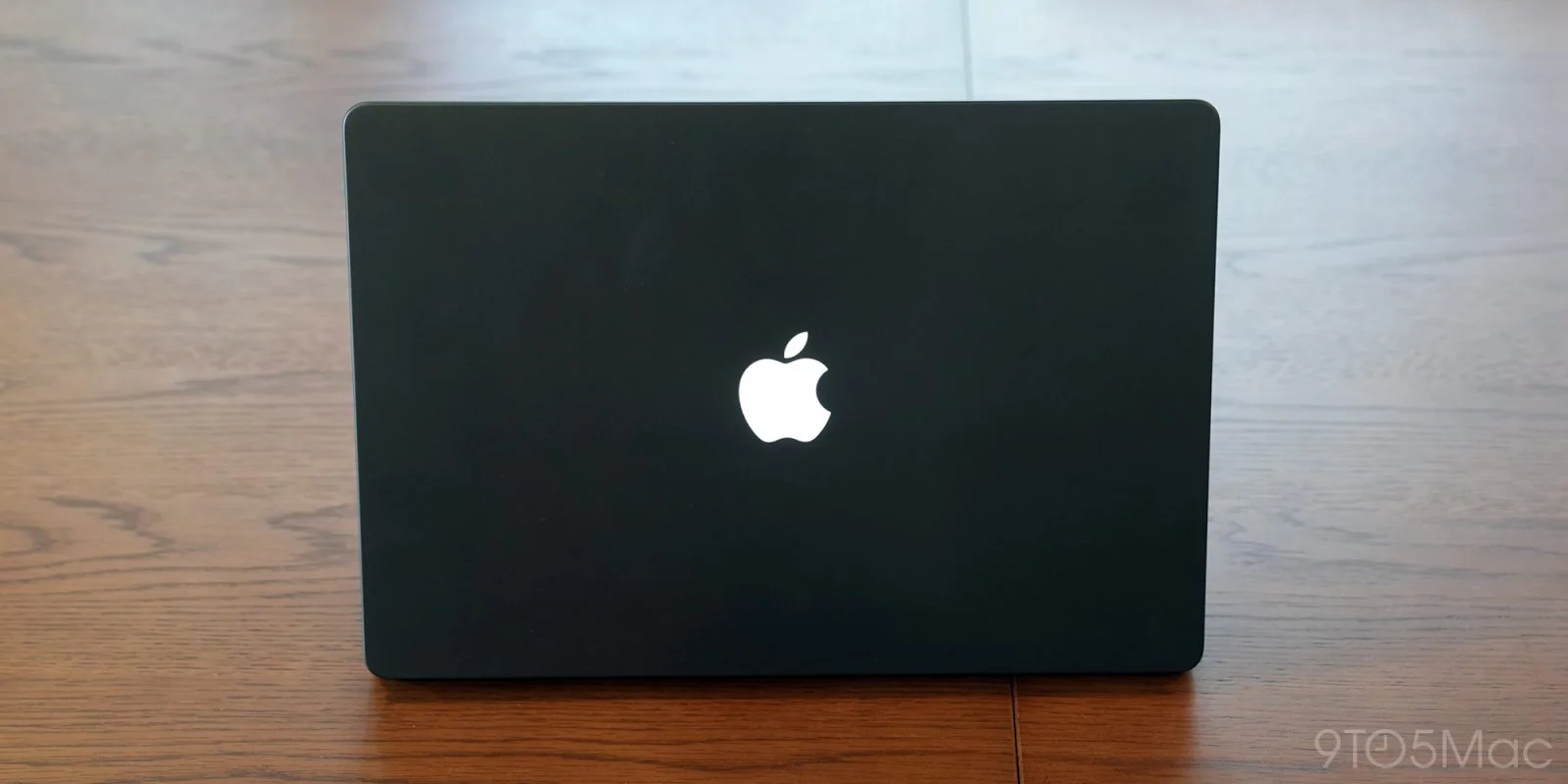
Both sizes use an OLED panel that Apple calls PROLED XDR. It’s rated for up to 1,000 nits of typical brightness and 2,000 nits for HDR. The design also brings back the backlit Apple logo, a small but distinctive return for MacBook owners.
Apple has replaced the familiar display notch with Dynamic Island, adapted from the iPhone. It can frame webcam use and provide a dedicated area for Spotlight, Live Activities and Siri AI. The laptop is available with M5 Pro or M5 Max chips, with no M6 option; Apple is positioning it for demanding work, including AI tasks.
Apple claims up to 13 additional hours of battery life compared with Intel-based MacBook Pros, and says fast charging can take the battery to 50% in 30 minutes. Prices start at $2,899 for the 14-inch M5 Pro model and $3,399 for the 16-inch. A fully configured 16-inch model reaches $14,549, with 16TB of memory accounting for roughly half that price.
The touchscreen’s value will depend on whether direct input changes how professionals work on a Mac. For buyers who need that flexibility alongside high-end performance, it marks a more substantial shift than the M6 updates; for everyone else, Apple’s refreshed chips may be the more relevant story.