Beni’s Autonomous 4K Camera Robot Tracks Action Across Rough Terrain
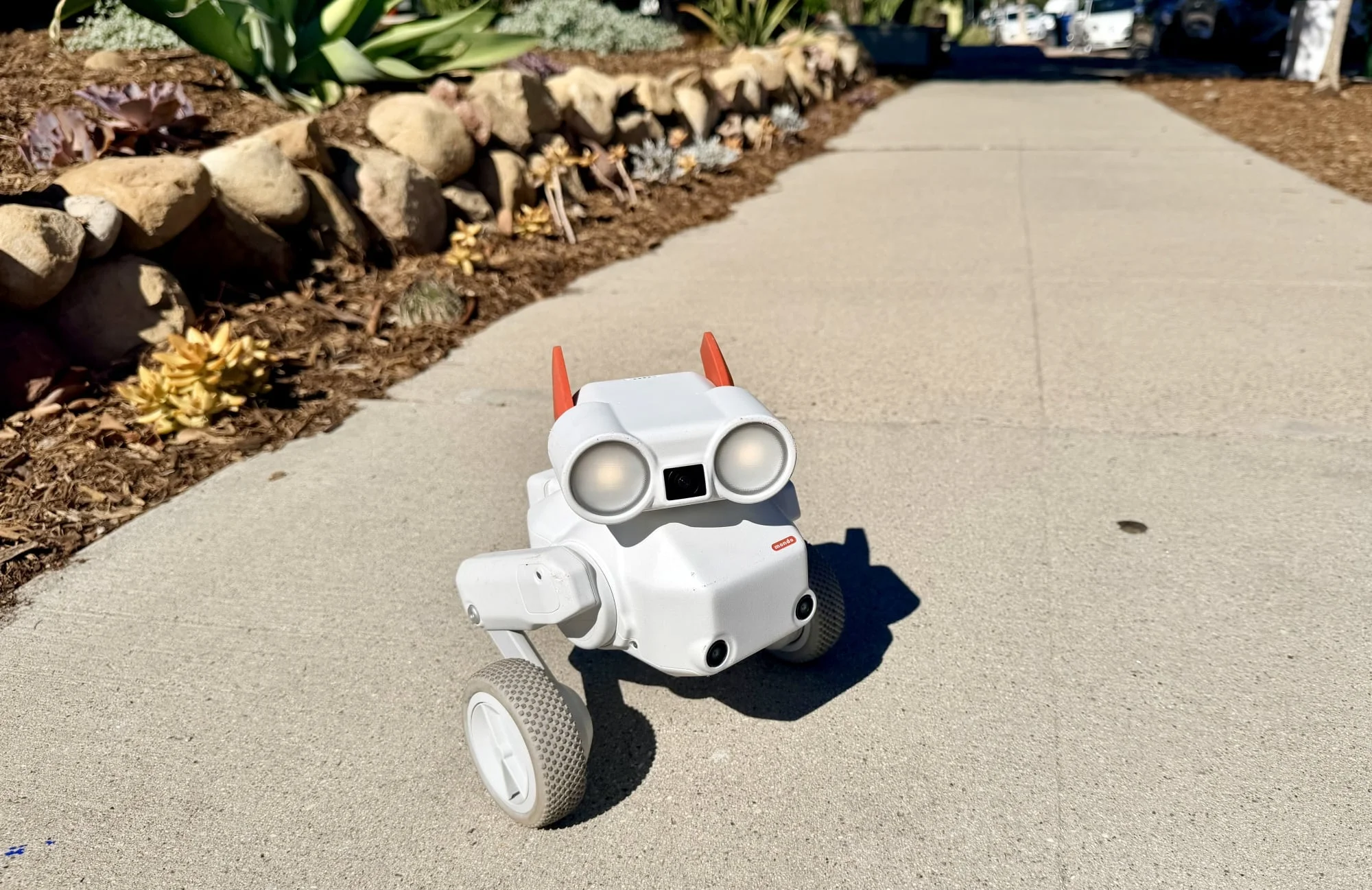
Beni’s strongest case is practical: it can follow a moving subject, keep filming in 4K and handle uneven ground without a camera operator trailing behind. Mondo Robotics’ compact robot combines autonomous tracking with remote control, making it a capable tool for action footage and a surprisingly personable piece of gear. The pitch is straightforward: put a camera on a mobile platform, let software handle the pursuit, and give the operator control over framing as the scene changes. That can cut down on the coordination a moving shot usually demands, though it doesn’t make composition automatic.
Born as a Kickstarter project, Beni can follow a person, track from the side or circle them. Users can change its behavior through an app or remote while it’s moving, so framing a shot doesn’t require stopping to reset a tripod or recruit a camera operator. That flexibility matters most when subjects change direction or the action won’t wait for a clean reset. The operator still has to make choices about where the camera should be and what it should show; Beni handles movement, not the judgment behind the shot.
Tracking that holds up in motion
The most persuasive test came without a shot list: the reviewer pointed Beni at a skateboarder and set it to follow. The resulting footage showed the robot gliding over rough concrete and handling inclines. It reportedly survived a launch off a large ramp, landing, righting itself and continuing to move. That’s a demanding, unscripted demonstration of mobility, though one successful run can’t establish how consistently the robot will perform across different subjects, surfaces or filming conditions.
Circle mode offers a different kind of moving shot, again demonstrated without advance planning. Beni can also slip under obstacles such as a bench, giving the operator room to adjust the shot as the scene unfolds. These modes expand the camera’s movement beyond simply trailing someone from behind, which can help footage feel more deliberate. But the examples also point to a practical constraint: the environment shapes what shots are possible, and the operator needs to keep an eye on both the subject and the robot’s route.
Built for more than smooth pavement
Beni’s stock tires handled uneven concrete, grass and dirt in the reviewer’s tests. Mondo Robotics also offers larger wheels for buyers who want more clearance or traction. The robot has obstacle detection, though it still bumps into things; its durable build reportedly lets it recover from falls and collisions and carry on. That distinction matters: obstacle detection can help a robot react to its surroundings, but it doesn’t make every path safe or every collision avoidable. Beni’s ability to keep going is part of the appeal, especially for action footage where stopping to reposition would break the flow.
Setup was quick: unpack the robot, download the app and get started. The reviewer found its controls easy to pick up, and its tracking behavior matched expectations in use. That combination matters more than the playful design when the goal is dependable footage. A short learning curve can make a product easier to bring into a shoot, but dependable results also rely on how well tracking holds up when the subject moves unpredictably and the surroundings get crowded. The account gives a positive first impression, not a full picture of performance over time.
The playful design still gives Beni a distinct personality. It can perform tricks, blink its “eyes,” respond to gestures and wear a small baseball cap. A robot that follows its owner around is also an easy conversation starter in a park, whether or not that’s part of the filming plan. And this is the part most people overlook: a device that attracts attention can change the scene it’s meant to record, particularly in public spaces. That may be welcome for casual creators, while documentary or event shooters may prefer equipment that draws less notice.
Price and availability
The base model costs $750. The $899 Explore Combo adds larger wheels, a charging stand and a hat. That’s a substantial purchase, but the package combines autonomous camera movement, 4K capture and terrain handling in one device. The value depends on how often those features solve a real production problem: for a creator who repeatedly films alone, a moving camera platform could replace a second set of hands for some shots. If you’re working in this space, the practical question is whether that convenience earns a place in your kit, rather than whether the robot can perform an impressive demonstration.
Beni is available to pre-order from Mondo Robotics, with release planned for early November. It’s the company’s first product, and the source doesn’t confirm whether third-party retailers will carry it. For creators who need a camera to keep pace with a moving subject, Beni’s mix of tracking and mobility looks like its clearest advantage. The first-product caveat deserves attention: early buyers will be judging not only the hardware but also the app and the company’s ability to support the device. A promising demonstration. Now it has to prove repeatable in ordinary shoots.
What Beni could mean for solo creators
Beni points toward a useful shift in small-scale production: camera movement that once required another person can increasingly be handled by a compact device and its controls. That won’t eliminate the need for a camera operator across a whole shoot, since shot selection, timing and context still call for human judgment. But for follow shots, circles and low passes under obstacles, the robot could give a solo creator more options without adding a crew member.
This is more significant than it looks for a narrow group of users, but the evidence here is still an initial review rather than a long-term account. The skateboard test shows that Beni can cope with a lively subject and rough ground; it doesn’t answer how its tracking performs across a full day, how often obstacles interrupt a take or how the app behaves under pressure. Those are the questions that will determine whether Beni becomes dependable production gear or remains an entertaining specialty camera. The concept is persuasive. Consistency will decide the rest.