Apple’s Touchscreen MacBook Pro Leaves Room for Cheaper M5 Models
Apple’s most consequential MacBook Pro choice may be the option it kept on sale: buyers can get the existing M5 Pro and M5 Max models without paying the rumored $400 premium for the new touchscreen design. That gives professionals a way to prioritize processing power over a display feature they may not need. It also changes how the redesign should be judged. The question isn’t simply whether the new screen is appealing; it’s whether its benefits justify the added cost for the work a buyer actually does.
Two upgrade paths, with different priorities
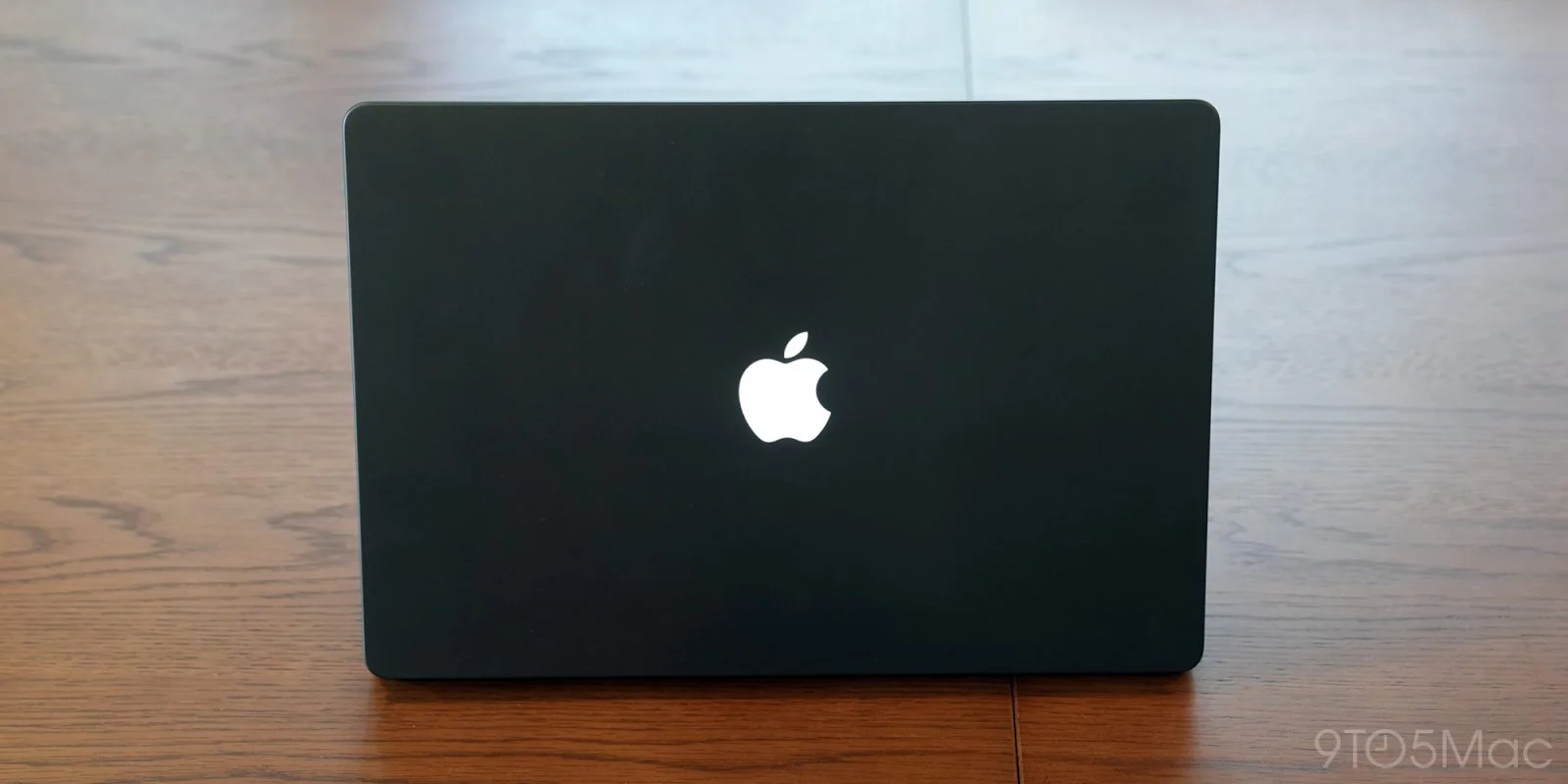
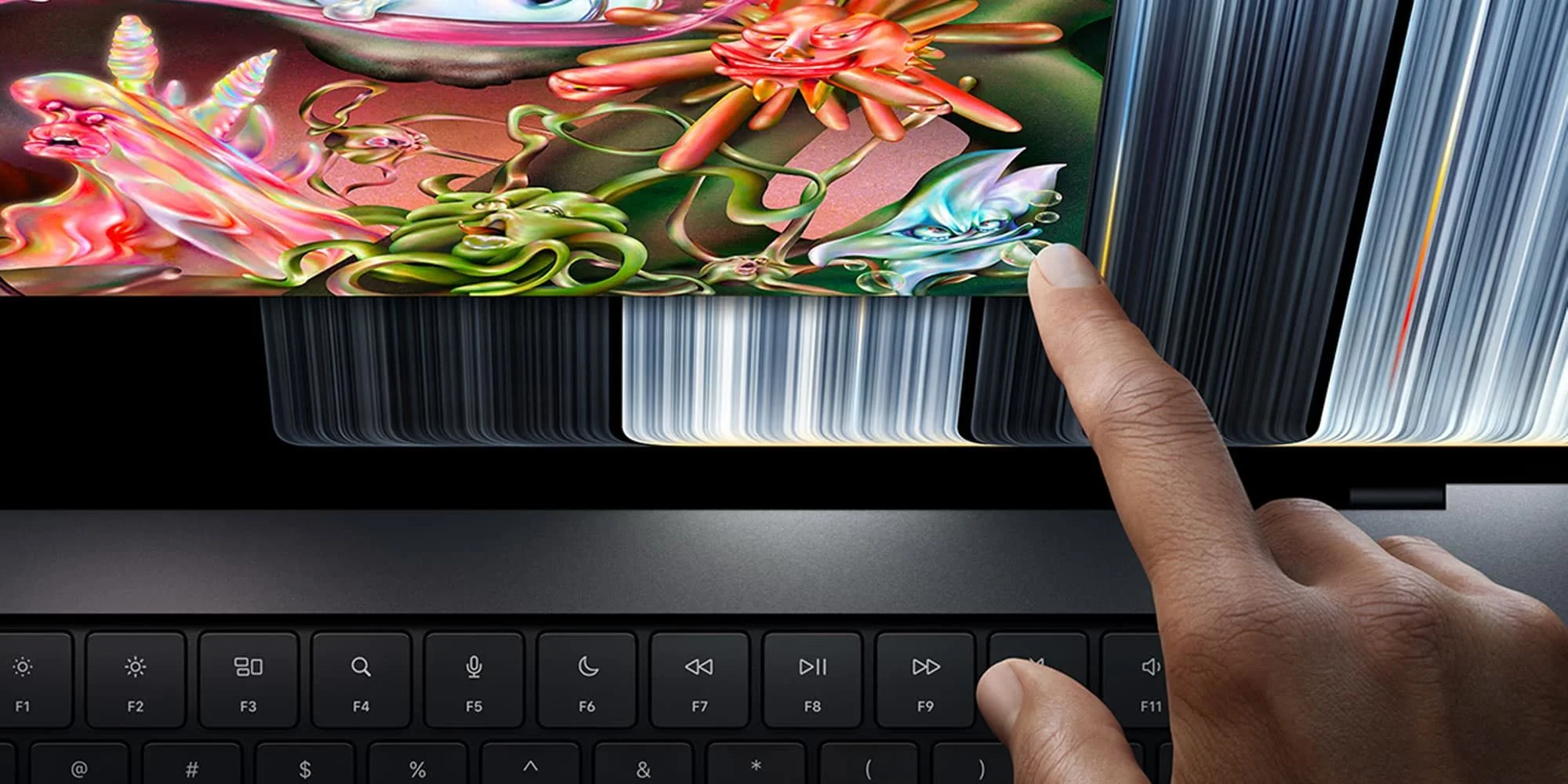
The new MacBook Pro with PROLED XDR Display adds a tandem OLED panel, slimmer bezels, a thinner and lighter body, a redesigned audio system, Dynamic Island and a glowing Apple logo. Touch is part of the package, with availability set to begin November 6. Taken together, those changes make this a broader physical redesign than a screen swap alone. For people who spend hours looking at the display or carry their laptop between workspaces, the panel and lighter body could matter every day. Other additions may be less compelling if they don’t fit a buyer’s routine.
Those changes make the $400 premium easier to understand for buyers who value the new screen and design. But the new model uses the same chips as the non-touch versions, so Apple hasn’t paired the redesign with a clear performance step up. That distinction keeps the purchase decision focused on what the hardware changes are for: a different display and chassis, rather than an obvious jump in computing capacity. Its revised thermal system may affect sustained speed, though the available details suggest the changes focus more on cooling the display. Independent reviews will show whether that design produces a measurable difference under demanding workloads. Until then, buyers shouldn’t assume a thinner body or revised cooling automatically means faster work.
That distinction matters to people upgrading for demanding work. The author’s 2023 16-inch MacBook Pro with an M2 Pro remains capable, but its 16GB of memory has become a constraint. That’s a useful reminder that “old” and “too slow” aren’t the same thing: a laptop can still handle daily work while a specific limit, such as memory, gets in the way. For that kind of buyer, more performance or memory may matter more than touch input. The best upgrade is the one that addresses the actual bottleneck.
Keeping the non-touch models changes the equation
Apple’s choice to keep the M5 Pro and M5 Max MacBook Pro models available gives buyers a direct alternative. They can put the $400 toward a lower price or, potentially, toward higher specifications. That flexibility is notable given Apple’s past approach to major MacBook Pro redesigns. It gives customers a way to choose a machine around their priorities instead of treating every new feature as a compulsory part of the upgrade. For buyers comparing configurations, that makes the lineup easier to parse: first decide whether the redesigned display matters, then consider how much computing capacity the work requires.
When Apple introduced the Touch Bar in 2016, buyers seeking a larger or more powerful MacBook Pro had limited choice: the only model without the feature was the entry-level 13-inch version. Moving to the Touch Bar meant paying $300 more for the 13-inch configuration or $400 more for the redesigned 15-inch model. This launch leaves a performance-focused route open alongside the touch-enabled machine. The comparison is useful because it shows how a design feature can affect more than a laptop’s look: when it’s tied to the configurations buyers want, it can shape the price of getting the capabilities they need. Here, Apple has left room for customers to make that tradeoff themselves.
The product choice also puts the upgrade decision in sharper focus. Buyers who want the new display, slimmer chassis and other hardware changes may find the premium reasonable. Those who mainly need more computing capacity can weigh the existing M5 models without treating touch as a required part of the purchase. And this is the part most people overlook: keeping both versions available is itself a product decision. It lets Apple offer a visible redesign while preserving a route for customers whose priorities haven’t changed with the new screen.
What the choice means for buyers
If you're working in this space, separate the appeal of a new feature from the problem you need a laptop to solve. Touch could suit some workflows, and a different display may be a meaningful upgrade for people who spend much of the day in front of it. But neither benefit says much about whether a machine will handle a particular workload more quickly. The unchanged chips make that distinction especially relevant here. The numbers here are underwhelming for anyone expecting the redesign to double as a clear performance upgrade.
That said, identical chips don’t settle every question about real-world performance. The revised thermal system could affect sustained speed, and the available details don’t establish how large that effect might be. Reviews will matter because short bursts of speed and long periods of demanding work can put different demands on a laptop. Buyers who rely on sustained performance should wait for evidence from those conditions before treating the new cooling design as a reason to choose one model over another.
A practical choice for people ready to upgrade
There’s no perfect point to buy: waiting for a future M7 generation could bring another improvement, while delaying also means living with current limits and potentially higher prices. That uncertainty is familiar in hardware buying; there’s always another generation ahead, but waiting has a cost when a current machine is already holding work back. The new lineup makes the tradeoff clearer today. Choose the redesigned model for its screen and physical changes; choose the non-touch version if performance and configuration matter more. Keeping both options available is the launch decision with the most immediate value. Not a universal answer, but a more honest choice.
The significance of a choice
The longer-term significance is less about touch itself than about how Apple presents upgrades. A redesign can make a product feel new, but customers still need a clear reason to pay more. By keeping the M5 Pro and M5 Max models alongside the touchscreen version, Apple gives buyers room to value the display separately from the machine’s processing power. What this means for you is straightforward: judge the premium by the screen and physical changes you’ll use, and judge performance by the configuration you need. The new model may be the more appealing object; the existing models may be the more practical purchase.
Worth checking out on Amazon
- Apple HomeView
- Apple TV 4K (2026)
- Apple Watch Series 12 | Ultra 4
- AirPods Pro 3 | AirPods 5
- AirTag (2nd Generation) – 4 Pack
- MacBook Neo
- Logitech MX Master 4


FTC: We use income earning auto affiliate links. More.