Winter Running Gear Guide: How to Layer for Cold Weather
Cold weather is a gear problem, not a reason to give up running. Once you know how to dress for the temperature you’ll actually run in, winter can bring quiet snowy miles, memorable races and even a shot at a spring personal record. I learned that while training for a spring marathon: bad weather sometimes lasted for days, and skipping runs would have put me behind. My training group kept heading out, so I joined them—and never regretted it.
There’s a real trick to winter layers: you need enough warmth for the first cold minutes without overheating once you’re moving. That balance is easier than it sounds. This guide starts with a temperature-by-temperature clothing plan, then turns to the gear itself.
Dress for the temperature at your start time
Check the “feels like” temperature for the hour you’ll run. A warm afternoon forecast won’t help if you’re heading out before sunrise. I use Carrot Weather; any forecast app with hourly “feels like” readings will do.
Then apply the 20-degree rule: choose clothes as if it were 20 degrees Fahrenheit warmer than the forecast says. At 50 degrees, that points to a T-shirt and shorts. At 30, think long pants and perhaps a light jacket. The idea is that you’ll warm up as you run, so dressing for the starting chill alone can leave you sweating later.
Personal comfort varies. Some runners wear shorts in falling snow; others reach for a beanie at the first hint of cold. I’m somewhere in the middle. Here’s what I’d wear at each “feels like” temperature, from mild weather down to the 20s.
At 50 degrees and above
This is still summer-run territory for me.
- Bottoms: Shorts or light leggings.
- Top: A tank top or T-shirt.
- Head and hands: No special layers. A baseball cap can help with sun, but gloves and a warm hat aren’t needed.
In the 40s
You may notice a chill at the start, but the 20-degree rule puts your warmed-up run near 60 degrees. Gloves can be useful early and end up in a pocket later.
- Bottoms: Leggings, lightweight long pants or shorts.
- Top: A thin long-sleeved shirt works better than a sweatshirt or jacket. A sun shirt you wore in summer can work as a layer. I like the REI Sahara Shade hoodie, though any long sleeve is fine. Runners who enter fall and winter races may already have a free race shirt that fits the bill.
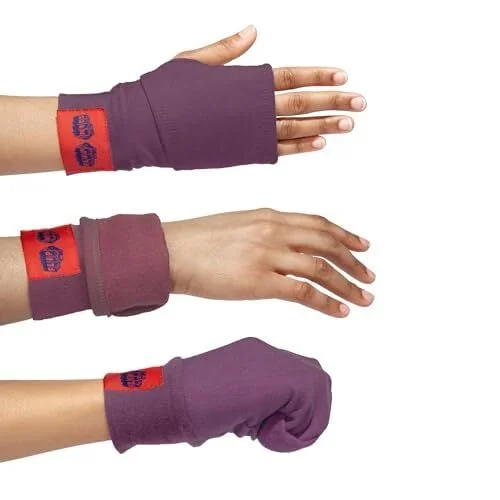
- Hands: Pull your sleeves over your fingers or wear knit gloves. For an adjustable option, Flipmits fold back into a wrist cuff as your hands warm up.
- Head: Add a headband if your ears need cover.
In the 30s
A few snowflakes don’t call for a snowsuit. After you warm up, the run should feel closer to 50 degrees, so aim for a light jacket’s worth of insulation.
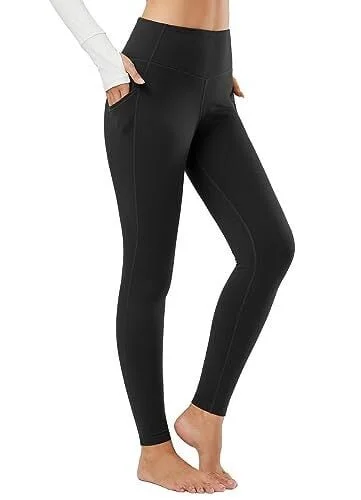
- Bottoms: Leggings or running tights; fleece-lined pairs can help. I have these.
- Top: Wear a jacket or sweatshirt. A lightweight, reflective rain jacket works well; a regular hoodie over a T-shirt is another option. Cotton sweats are fine in dry weather or light snow. Choose synthetic fabric or wool if rain or sleet is expected.
- Hands: Wear gloves. Basic knit pairs often do the job, though dedicated running gloves are an upgrade.
- Head: Pick a hat or headband; I’d choose the headband.
- Feet: This is where warmer socks may start to matter, especially in snow. Snow can pass through mesh running shoes, melt and leave your feet wet. Wool is a useful choice; consider these from Smartwool.
In the 20s
This is where I’d call the weather cold. It’s time to trade lighter layers for real winter gear: long pants instead of shorts, and a hat instead of a headband.
- Bottoms: Wear leggings under shorts. It may look odd, but it’s an excellent way to add warmth. A puffer skirt is another option.
- Top: Definitely wear a jacket. I prefer the same light jacket that works in the 30s, layered over a long-sleeved fleece or wool base layer.
- Hands: Choose proper gloves. Knit gloves can work if your sleeves cover your hands or you can layer mittens over them; otherwise, use windproof gloves.
- Head: Wear a hat. A buff can cover your nose and mouth; leftover cloth masks from the early COVID years can serve the same purpose.
- Feet: Wear warm socks. If you run often in these temperatures, consider running shoes built for wet weather, with Gore-Tex uppers such as the Brooks Ghost GTX.
When the temperature drops into the teens
There’s a point where adding another layer stops making a run worthwhile. For me, that’s around the low teens: I’ll reuse the gear I wear in 20-degree weather and add warmth where I need it, but if that still doesn’t cut it, I head for a treadmill. You can run outside in single-digit temperatures, but you’ll need to take wind seriously, cover your face, and consider eye protection such as goggles. If you’re close to your own cold-weather limit, timing can help. Early afternoon is often the warmest part of the day. A treadmill is another reasonable option—even if that means joining a cheap gym just to use one. There’s no prize for staying outside. Your comfort level will change with experience. Some runners need several layers before freezing; others are happy in shorts on snowy days. Treat these suggestions as a starting point, then adjust to what works for you.Buy winter running gear carefully
Cold-weather running doesn’t require replacing your whole wardrobe. Try what you already own, then fill the gaps. The opening minutes may feel chilly, but suitable layers and shoes can make winter runs enjoyable. Route choice matters too, and comes into play later.Socks
Keeping your feet warm is only half the job; they should stay dry when possible, too. Wool is a strong choice because it retains warmth when damp. Snow can melt against your body and soak a sock, even when the day doesn’t feel wet. Synthetic fabrics that wick moisture are a good fallback. Cotton is a poor pick for most of the sock’s job because it holds moisture. Fit matters just as much as fabric. A thicker winter sock may not fit in a shoe you wore with thin summer socks, so try your shoes on with the socks you plan to run in. Smartwool running socks come in a thin version, though a thicker option may add welcome insulation in colder weather. You may need a roomier winter shoe to accommodate that extra bulk.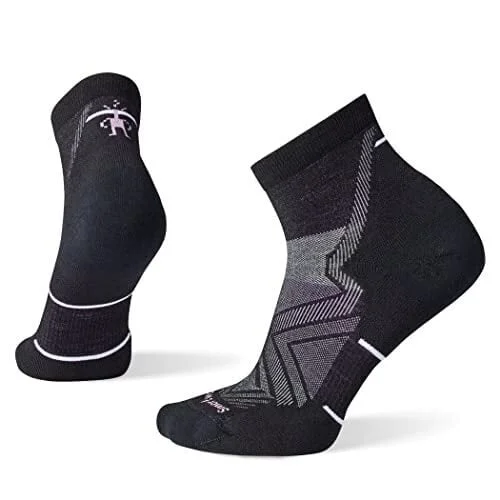
Shoes
You can keep using summer shoes when your socks fit and the route is dry. Snow and slush change the equation: wet feet may be tolerable for a short outing, but they can make a longer winter run miserable. Water-resistant uppers block stray flakes; for repeated slush or puddles, waterproof shoes such as Gore-Tex models offer more protection. Many are designed for trail running. Ice calls for a different tool. For packed snow or icy trails, removable traction can help: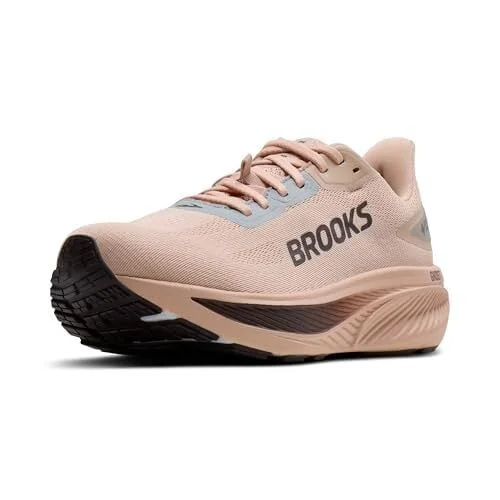
Yaktrax stretches over a shoe, using a rubber harness with steel coils and small spikes. It costs about $40.
Microspikes offer a more substantial setup, with small chains resembling scaled-down tire chains, for around $90.
For a dedicated snow-running setup, you can add individual spikes with IceSpike traction spikes, or make your own by screwing sheet-metal screws into shoes; there’s a DIY tutorial.
Shirts and jackets
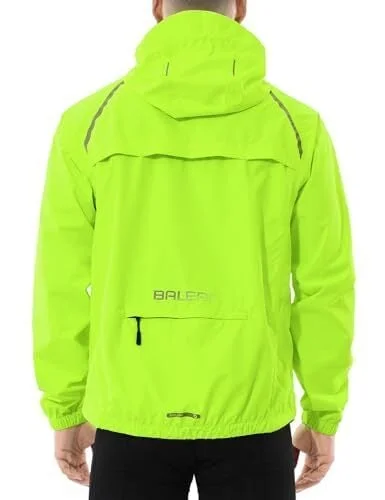
A jacket earns its place in winter partly because of the pockets, but its main job is to block the weather. Choose a light layer with enough room for clothes underneath. Once temperatures reach the 20s or lower, you may need an undershirt, a warm long-sleeved layer, and a jacket. A wool base layer is a good option and needn’t feel itchy; synthetic fleece works if wool doesn’t suit you. Look through your closet before buying a full set of running clothes. A thin sweater might work, and cotton can be comfortable as an undershirt even though it gets cold when wet. The key is to change or shower afterward instead of sitting in damp clothes. The outer layer matters most when the weather turns rough. A sweatshirt can work in a pinch, but a running jacket that’s windproof and water-resistant offers better protection while staying light enough for layers. Bright colors and reflective details help with visibility after dark; zippered pockets are useful, too.Keep your legs warm without trapping too much heat
Once shorts stop being comfortable, switch to close-fitting bottoms. Loose pants let cold air circulate, so leggings or running tights are a practical choice for winter running, whatever your gender. They come in different weights: try fleece-lined tights for the coldest outings, or double up when one layer doesn’t feel like enough.
Choose headwear by how you feel mid-run
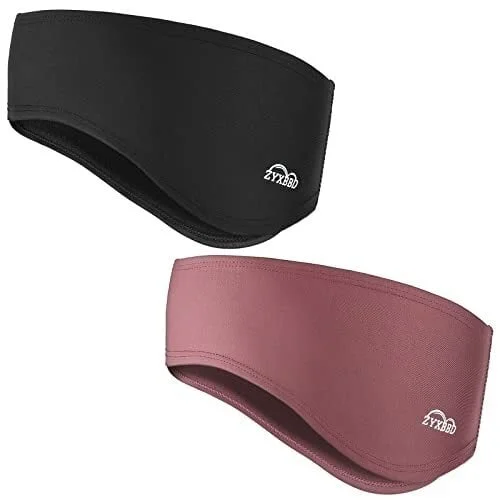
An ear warmer or headband can shield your ears while letting heat escape from the top of your head. That’s often a better first move than pulling on a winter hat. If snow or other falling precipitation is in the forecast, a baseball cap can help keep it out of your eyes.
Fleece and knit hats still make sense when temperatures drop far enough. The boundary between headband weather and hat weather comes down to your comfort and effort level. If you’re sweating into your base layers, the hat is probably too warm.
Product links:
- BALEAF men’s cycling rain jacket, reflective yellow, XL — $55.99 at Amazon, down from $59.99 (save $4.00).
- ZYXBBD fleece ear warmers, black and red — $9.97 at Amazon.