Apple Maps' iOS 27 Local Lists Surfaces Weekly Trending Restaurants
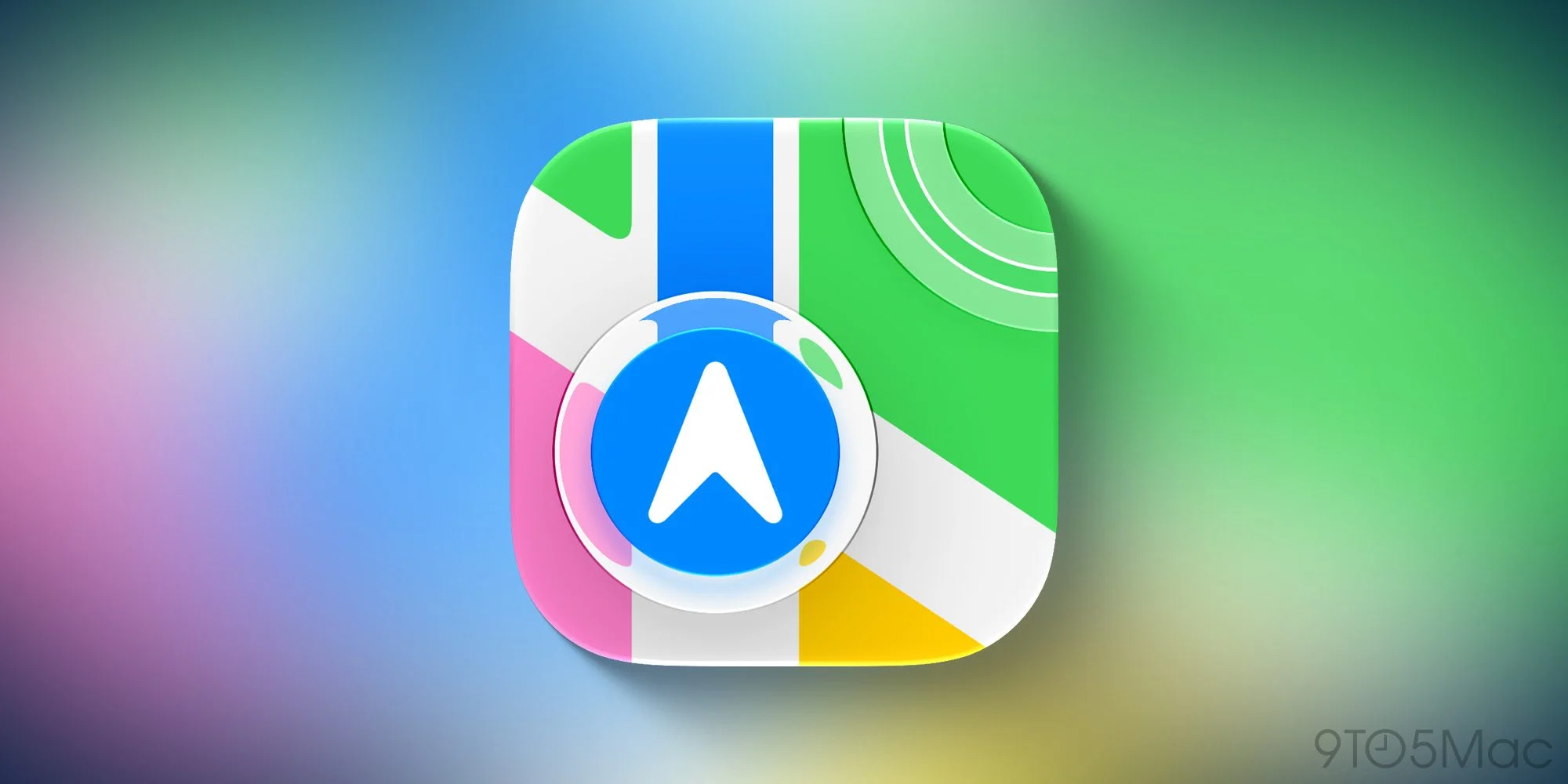
iOS 27 brought Apple Maps a handful of new features, but Local Lists is the one I keep coming back to. It extends Maps' existing Guides, except this version refreshes every week with places that are actually trending. That single change matters more than it sounds. It's the difference between a directory you bookmark and forget and a tool you'll actually open twice in one week.
Weekly lists built from real activity
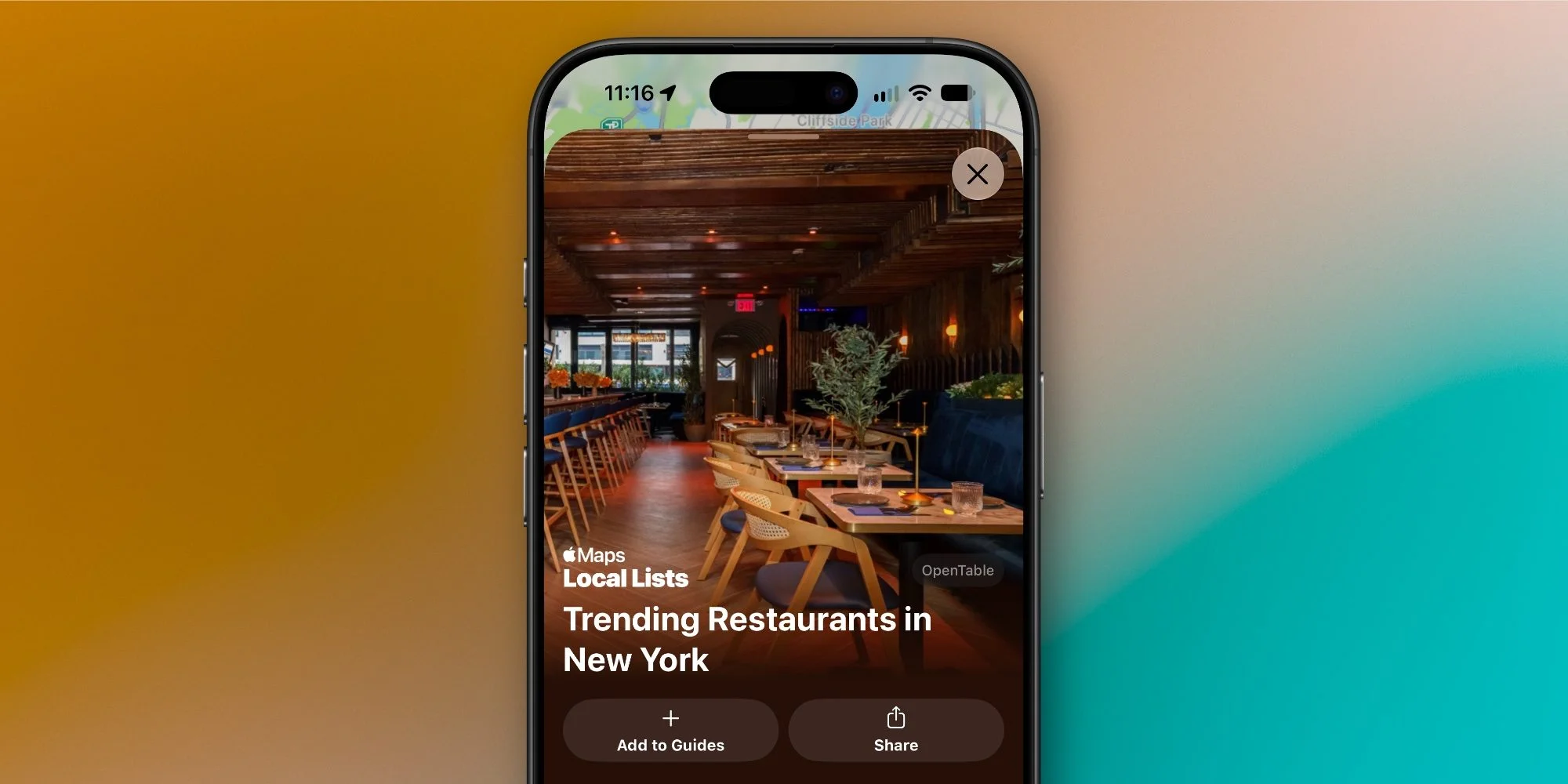
Guides have long let you browse curated collections, and where those collections come from varies. Some come from Apple's editorial team, some from celebrities, and some tie into current events. Local Lists work differently, and that's the important part. They're built from what's trending right now, so the lineup shifts as local interest does. Editorial picks are only as fresh as the last time someone sat down to update them.
Apple describes the feature in its Newsroom announcement:
With Local Lists, Apple Maps users in the U.S. can find the perfect spot for meeting friends, dining, and more. Using intelligent insights from what's trending, Maps surfaces locally relevant collections of places — from trending restaurants to great spots to take kids — so it's easy for users to find what they are looking for. All insights are derived with privacy in mind and never tied to individual users.
I've always liked browsing Guides to find new places, and the idea behind Local Lists builds on that habit. A saved list is only useful if someone keeps it current, though. Because these lists refresh constantly, there's a reason to check back instead of trusting something you saved months ago. That said, the whole promise depends on the trending signal being good, and the rest of this piece is me poking at that.
Where to find them
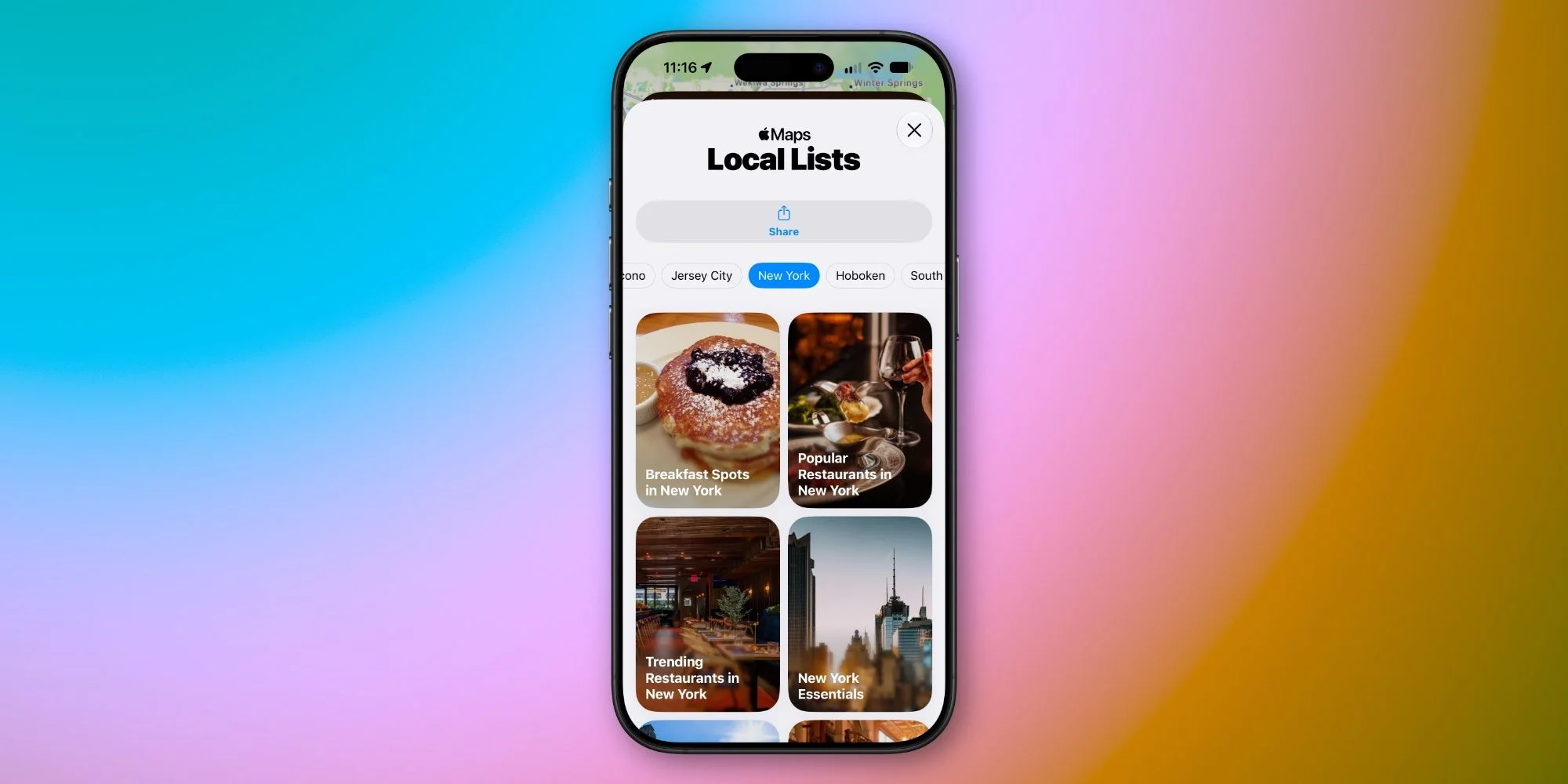
Most people will miss this one, and that's a design problem more than a user problem. Local Lists aren't on a tab you'd naturally tap. Instead, you tap the search field in Maps and scroll down to a new "Trending Restaurants" section. On my iPhone 18 Pro, the keyboard covers it by default, so you'll need to scroll and dismiss the keyboard before you can see it. Hidden in plain sight is a generous description.
Each list ranks up to 20 places, but the search screen only shows a handful of them. That's a sensible way to save space and a slightly annoying way to learn what's actually good. Tap through for the full ranking. Opening "Trending Restaurants in New York," for example, shows all 20, and that's the view worth spending time on.
The selection logic is based on engagement, and the in-app text says so plainly. According to that explanation, the list contains "Restaurants climbing in popularity this week, based on what people view, share, and interact with on Apple Maps." That's a useful signal. It also means a place with a lot of attention can rise on attention alone. Popularity and quality overlap, but they aren't the same thing.
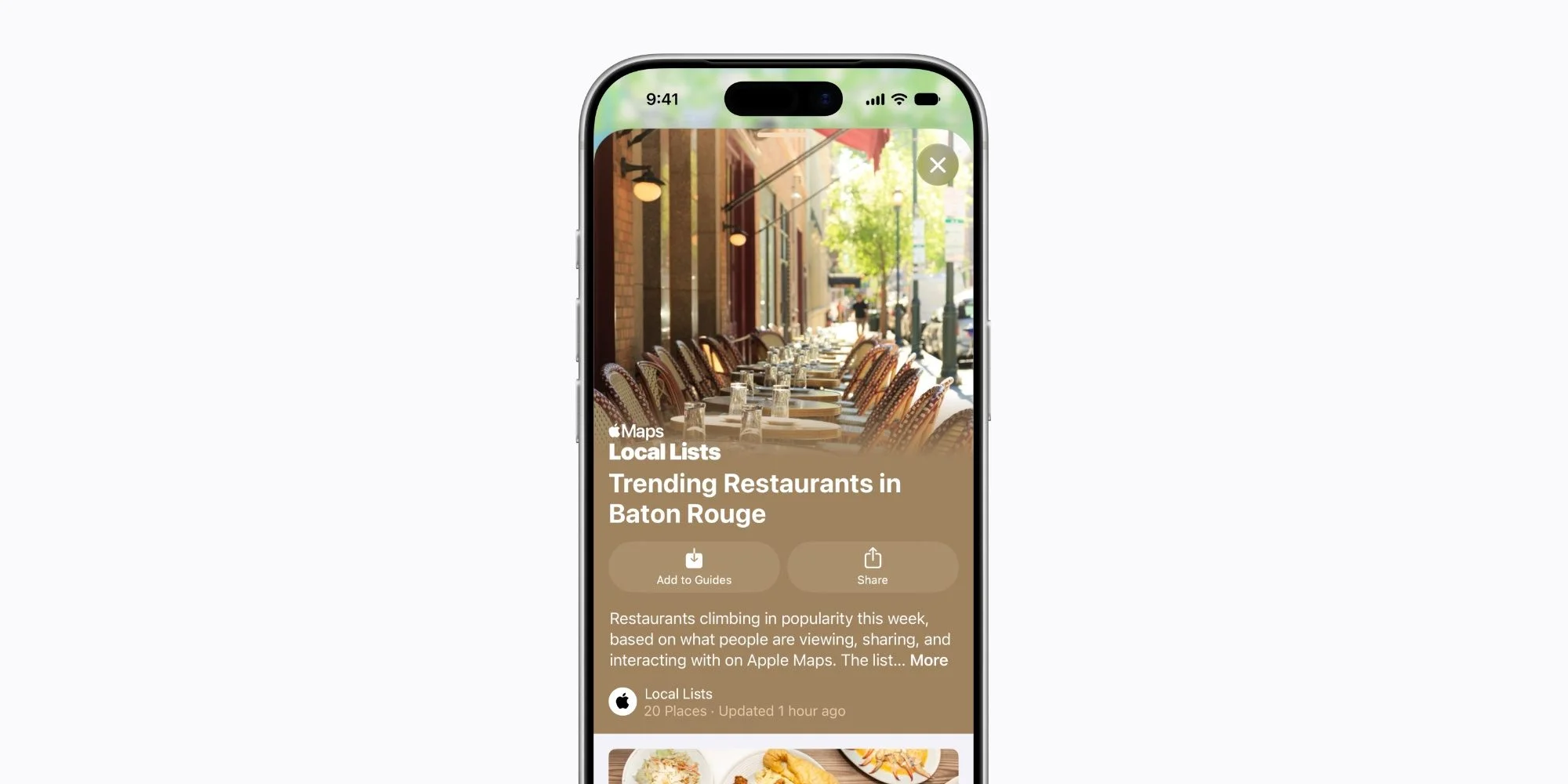
Since the lists turn over every week, anything you don't save may be gone the next time you look. Each listing has a + button for exactly that purpose. Think of it as bookmarking before the tide goes out. If you're planning a dinner for the weekend, save it on Monday rather than hoping it's still there on Friday.
How wide the coverage goes
Apple hasn't said how many regions get localized lists, and that's hard to pin down from the app alone. Digging through the full collection turns up 1,021 Local Lists in total, which is a lot of coverage on paper. Odds are good that one covers your area, though good odds aren't a guarantee. If you live somewhere smaller, check before you assume.
To browse everything, open any Trending Restaurants list and look for the Apple logo next to "Local Lists," which sits beside the last-updated text. It's an easy thing to scroll past, and that's the theme of this whole feature. Tapping it takes you into the wider collection, where you can see what else the app is surfacing across locations. It's worth the extra tap.
The bigger question is whether Apple applies the same engagement signals to other categories. If it does, the format could reach well past dining, into shopping, nightlife, or things with less obvious appeal. Nothing in the source confirms that plan, so treat it as a question rather than a roadmap. For now, Local Lists are a quietly useful way to spot what's new before everyone else does.
What this means in practice
Here's the thing: a trending list is only as good as the crowd feeding it. Engagement-based rankings tend to reward places that are already visible, which can make a newer spot harder to surface than an established one. This category of feature often drifts toward the popular and away from the unusual. That's worth watching, especially if you care more about discovery than about what's already busy.
And yet, the privacy line in Apple's announcement is the part I'd want more detail on. The company says insights are derived with privacy in mind and never tied to individual users. That's a reasonable claim to make, and it's the kind of statement that deserves follow-up. Aggregated signals can still reveal a lot when a neighborhood is small and the activity is concentrated.
If you run a restaurant or a shop, the practical takeaway is that visibility here comes from engagement, not just from being listed. If you're just someone who hates a stale list, the takeaway is simpler. Check Local Lists before you commit to a plan, and don't treat the ranking as a verdict on quality.
What this means for you is a shift in how you find places. A saved Guide is a snapshot, while Local Lists are closer to a live feed. Fresher. Noisier. That's a trade-off, not a straightforward upgrade, and I suspect most people will end up using both.