iPad mini 2026 Review: OLED, Lighter Design and Water Resistance
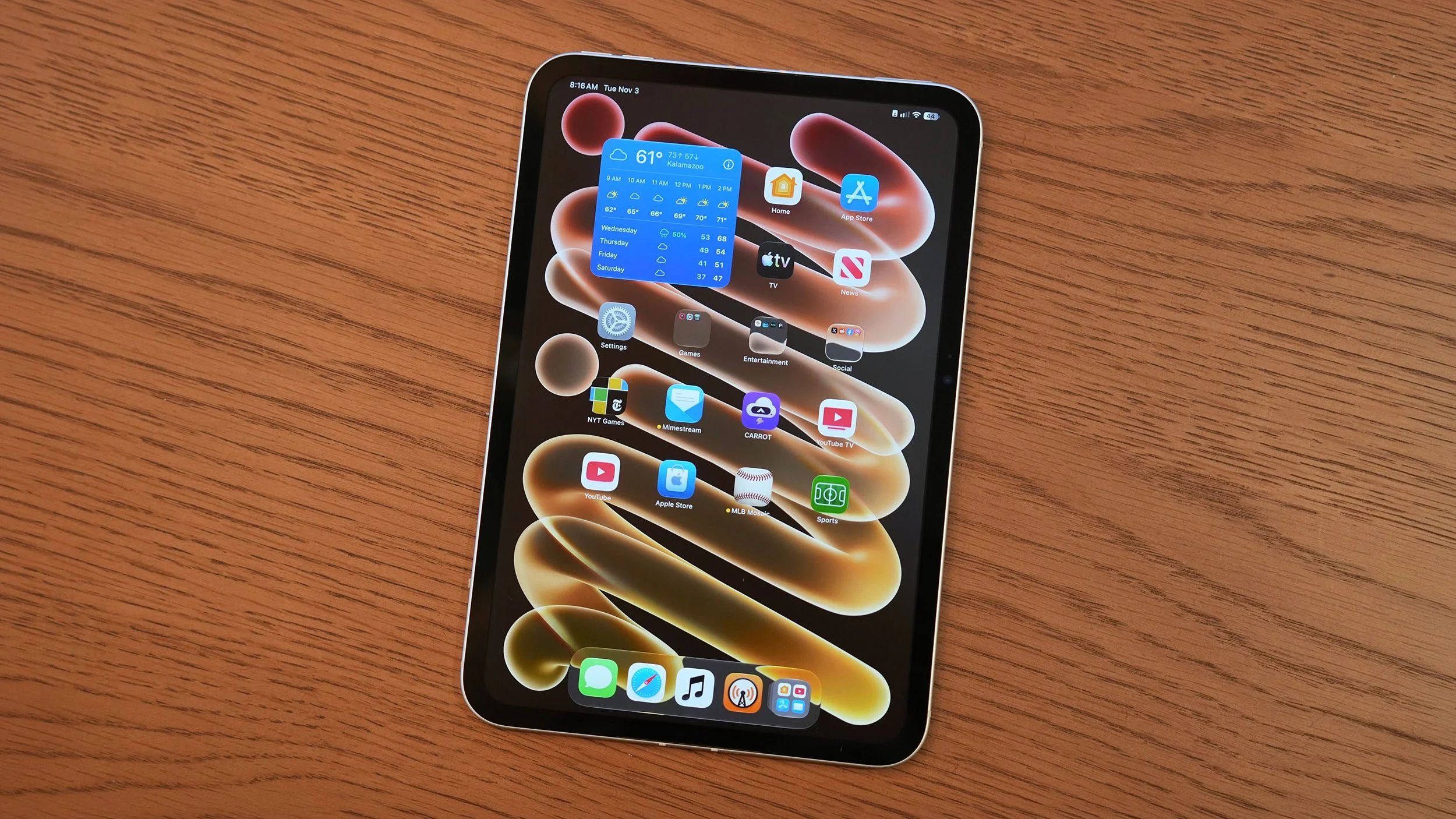
The 2026 iPad mini makes its strongest case through portability: it’s thinner, lighter, more durable and fitted with a larger OLED screen, while retaining the full iPadOS experience. After hands-on testing, my read is that Apple has made the compact tablet more appealing for reading and everyday carry. The $699 starting price and 60Hz refresh rate, though, make the tradeoffs harder to overlook.
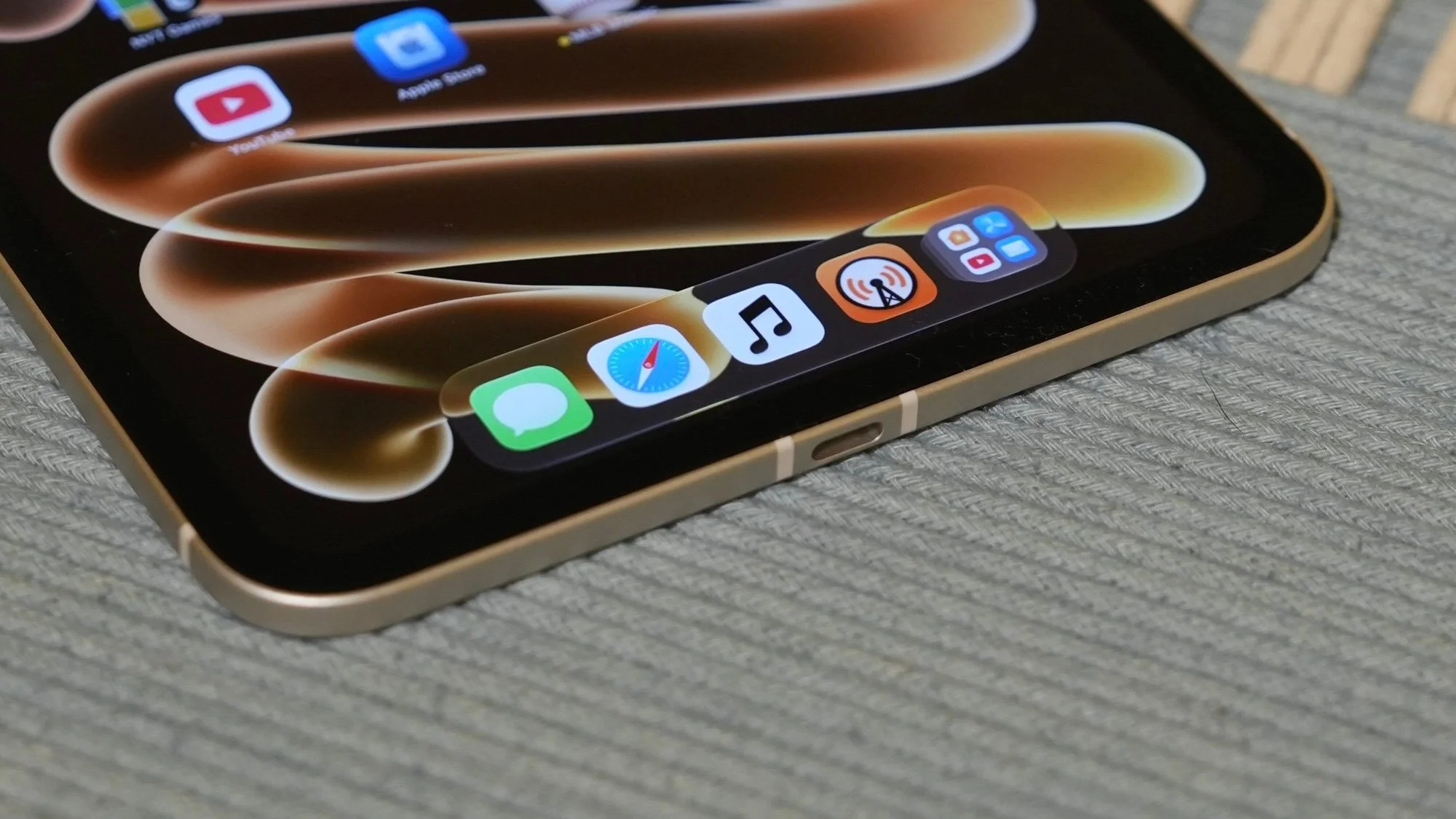
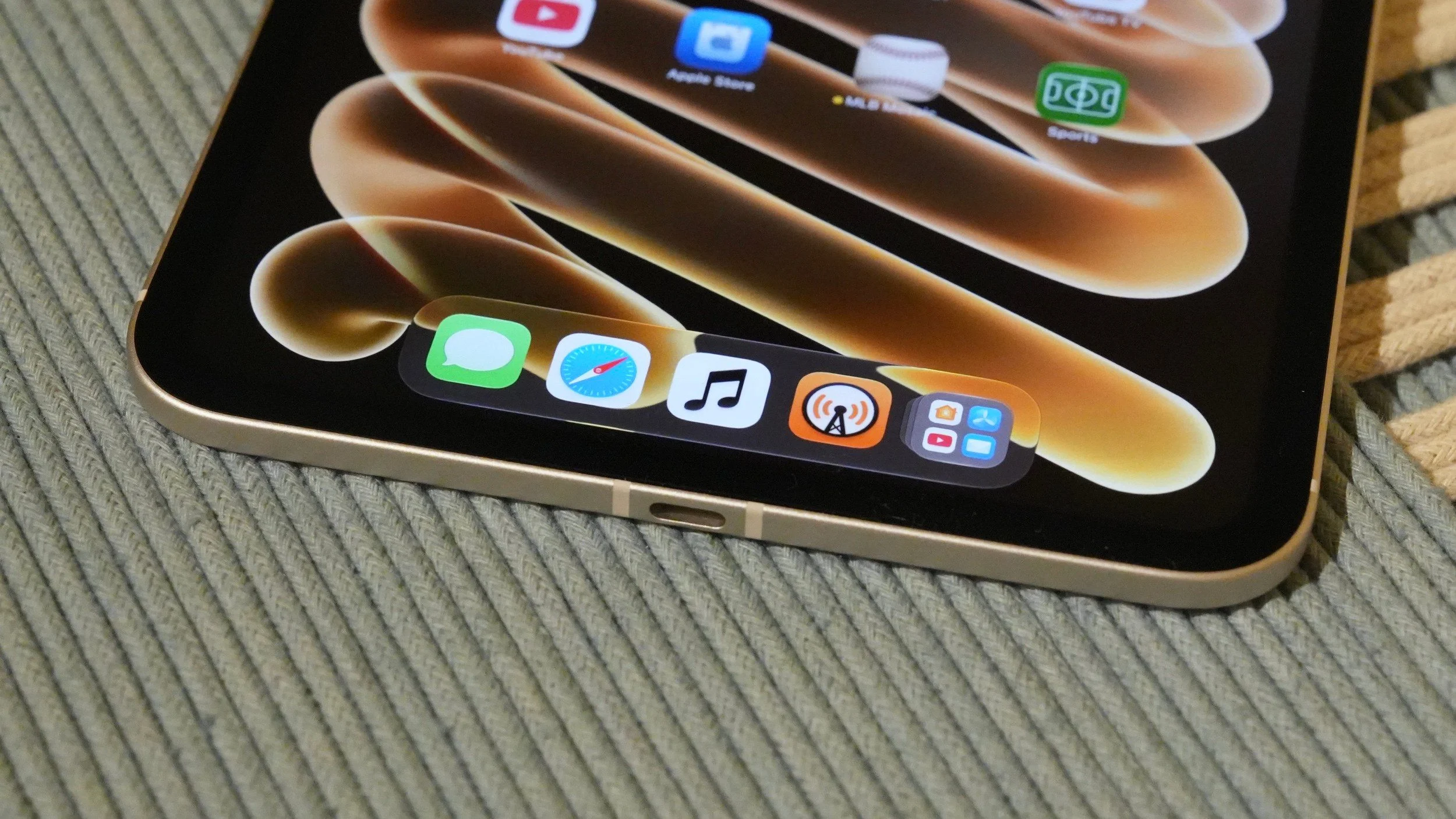
The redesign pares the device down without changing its basic footprint much. The display grows from 8.3 to 8.5 inches, thanks to bezels that are 24 percent thinner, and the new model is about 2.2mm narrower. At 5.4mm thick and 255g, it’s noticeably less substantial in the hand than the 2024 model, which measured 6.3mm and weighed 293g.
A smaller tablet that feels lighter
The changes are easy to understand in context: the new mini is close in thickness to Apple’s larger Pro tablets, yet weighs about the same as the iPhone Duo. That weight drop is more than a spec-sheet detail. The tablet feels less dense and more comfortable to hold, reinforcing the appeal of a screen that’s big enough for focused tasks but small enough to take along.
| Device | Thickness |
|---|---|
| 13-inch iPad Pro | 5.1 mm |
| iPhone Duo (open) | 5.2 mm |
| 11-inch iPad Pro | 5.3 mm |
| iPad mini (2026) | 5.4 mm |
| iPhone Air | 5.6 mm |
| iPad Air (11-inch and 13-inch) | 6.1 mm |
| iPad mini (2024) | 6.3 mm |
| iPad (A16) | 7.0 mm |
| iPhone 18 Pro | 8.75 mm |
| iPhone Duo (closed) | 11.3 mm |
The narrower frame and smaller borders give the mini a more polished look. Visually, it now feels closer to a compact iPad Pro than to the entry-level iPad or iPad Air. That impression matters for a device built around being carried and held, where comfort and proportions shape the experience as much as raw screen size.
| Device | Weight |
|---|---|
| iPhone Air | 165 g |
| iPhone 18 Pro | 211 g |
| iPhone Duo | 254 g |
| iPad mini (2026) | 255 g |
| iPad mini (2024) | 293 g |
| 11-inch iPad Pro | 444 g |
| 11-inch iPad Air | 464 g |
| iPad (A16) | 477 g |
| 13-inch iPad Pro | 579 g |
| 13-inch iPad Air | 616 g |
OLED brings a visible upgrade, with one major omission
The display upgrade is the centerpiece. This is Apple’s first non-Pro iPad with OLED, a step up from the previous mini’s LCD. The panel reaches 600 nits for standard content, compared with 500 nits before, and can peak at 1,200 nits for HDR. Colors and contrast look better, and Apple says the OLED’s faster pixel response also reduces blur and makes motion appear smoother.
That improvement shows up in everyday interactions: scrolling, moving between Home Screen pages and system animations feel more fluid than on the older model. But the screen still refreshes at 60Hz. Faster pixel response can make transitions look cleaner; it can’t reproduce the consistently smooth motion of a 120Hz ProMotion display. For a $699 tablet, that omission stands out, especially since Apple has brought ProMotion to the base iPhone 17.
There’s no Face ID either, adding to the list of premium features missing at this price. The mini’s display is much better, but the refresh-rate ceiling holds it back from feeling like the small Pro tablet some buyers may want.
Nano-texture
Apple offers nano-texture glass as a $100 upgrade on the 256GB and 512GB configurations. The matte finish cuts reflections, which suits a portable tablet that moves between rooms, windows and other bright settings. In my experience, the reduction in color vibrancy compared with glossy OLED is slight; the image remains vivid.
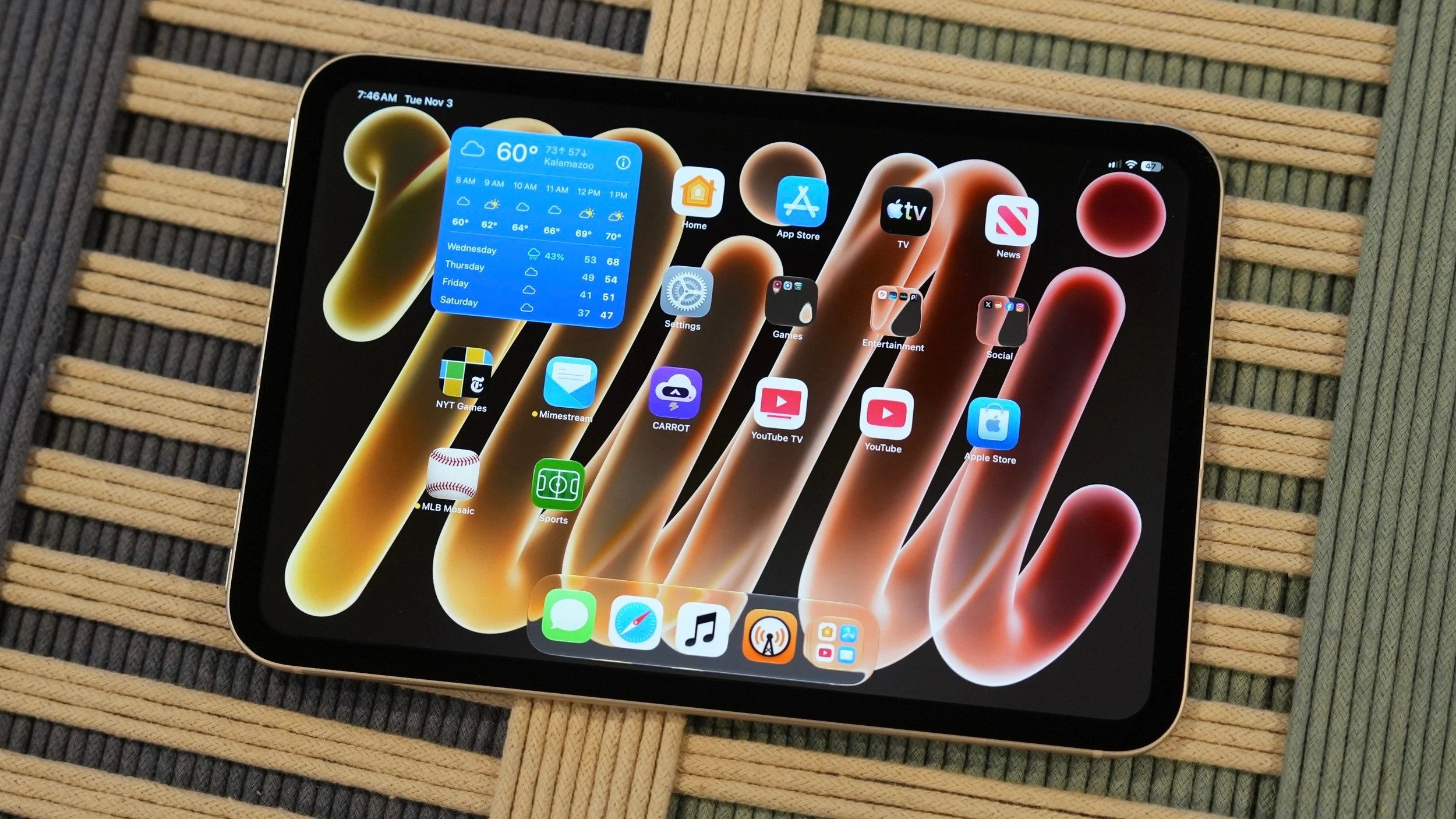
For reading, that finish pairs naturally with the mini’s book-like size. The lighter body is easier to hold for longer stretches, while reduced glare helps in changing light. Taken together, these are practical refinements to the device’s most natural use, rather than additions that depend on a specific app.
A new audio design makes room for water resistance
Apple’s Acoustic Display replaces visible speaker grilles with a system that uses the display to produce sound. Special woofers vibrate the panel for low and midrange frequencies; tweeters sit between the glass and aluminum enclosure to handle higher notes. The result sounds good for routine video, calls and other everyday use. For music or films where sound quality matters most, headphones or an external speaker remain the better choice.
The audio hardware also helps enable an unusually practical change: IP67 water and dust resistance. Apple says the iPad mini can withstand immersion in up to one meter of freshwater for as long as 30 minutes. It’s the first iPad with an official water-resistance rating, and that protection makes more sense on a device people are likely to carry everywhere.
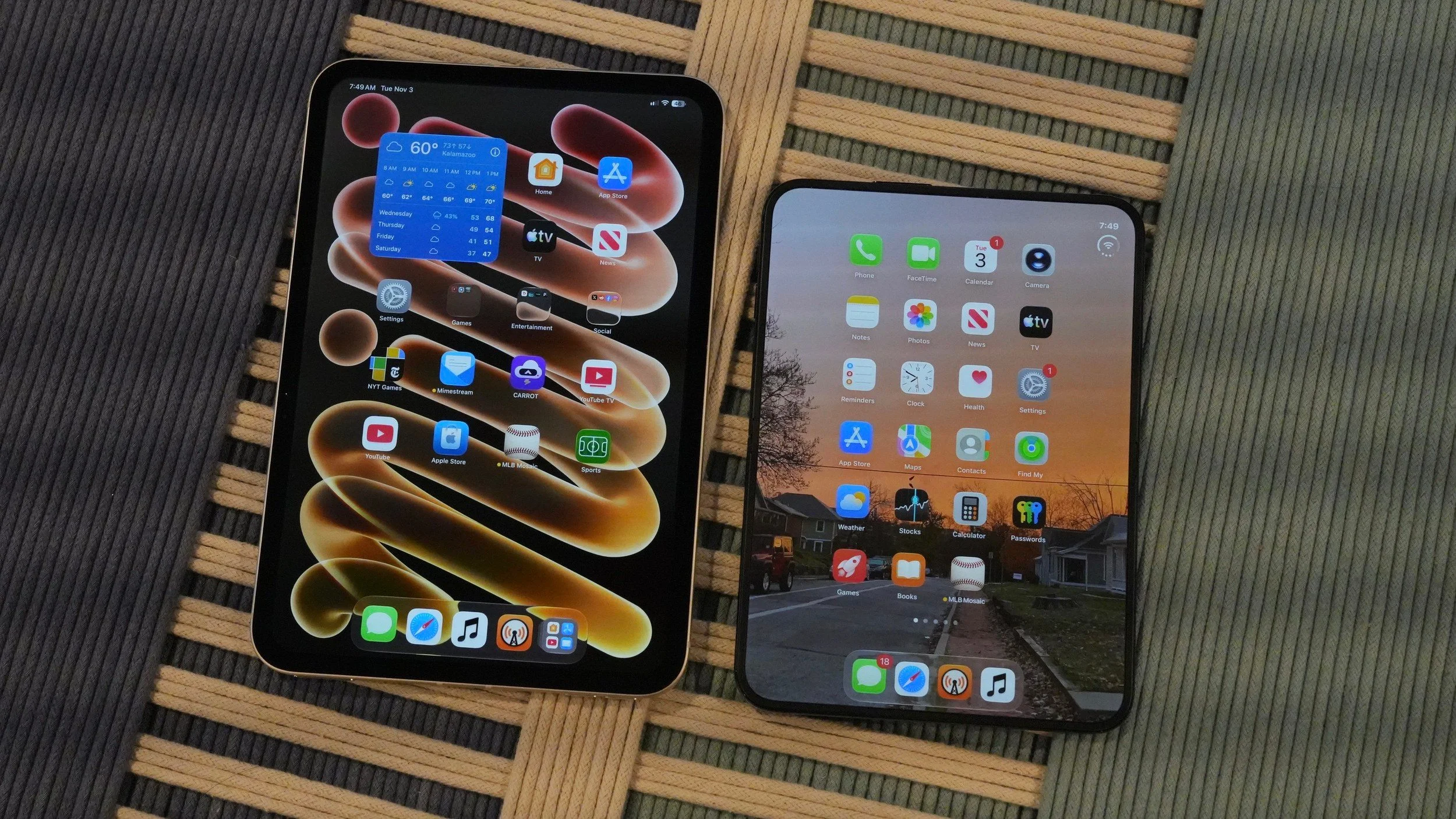
Reading is where the design, display finish and durability converge. The mini is easier to hold like a paperback, less reflective with nano-texture, and better suited to being taken along in unpredictable conditions. Apple’s new audio system may also point to an approach that could appear in future devices, though the evidence here is limited to this iPad mini.
A20 Pro has headroom across the lineup
The A20 Pro chip gives the mini ample performance for current tasks and room to handle future iPadOS features. Apple varies the processor configuration by storage tier: 128GB and 256GB models have a five-core CPU and 16-core Neural Engine, while the 512GB version gets a six-core CPU and Dual 16-core Neural Engine. All three share a seven-core GPU.
Those differences don’t make the top configuration an obvious performance buy. Choose a storage tier based on how much room you need; the source of the extra CPU and Neural Engine cores is the 512GB model, but there’s no reason here to pay for that capacity solely to get them. The base 128GB option is also becoming a tighter fit as Apple Intelligence and Siri AI add to storage demands.
A full iPad experience in a compact package
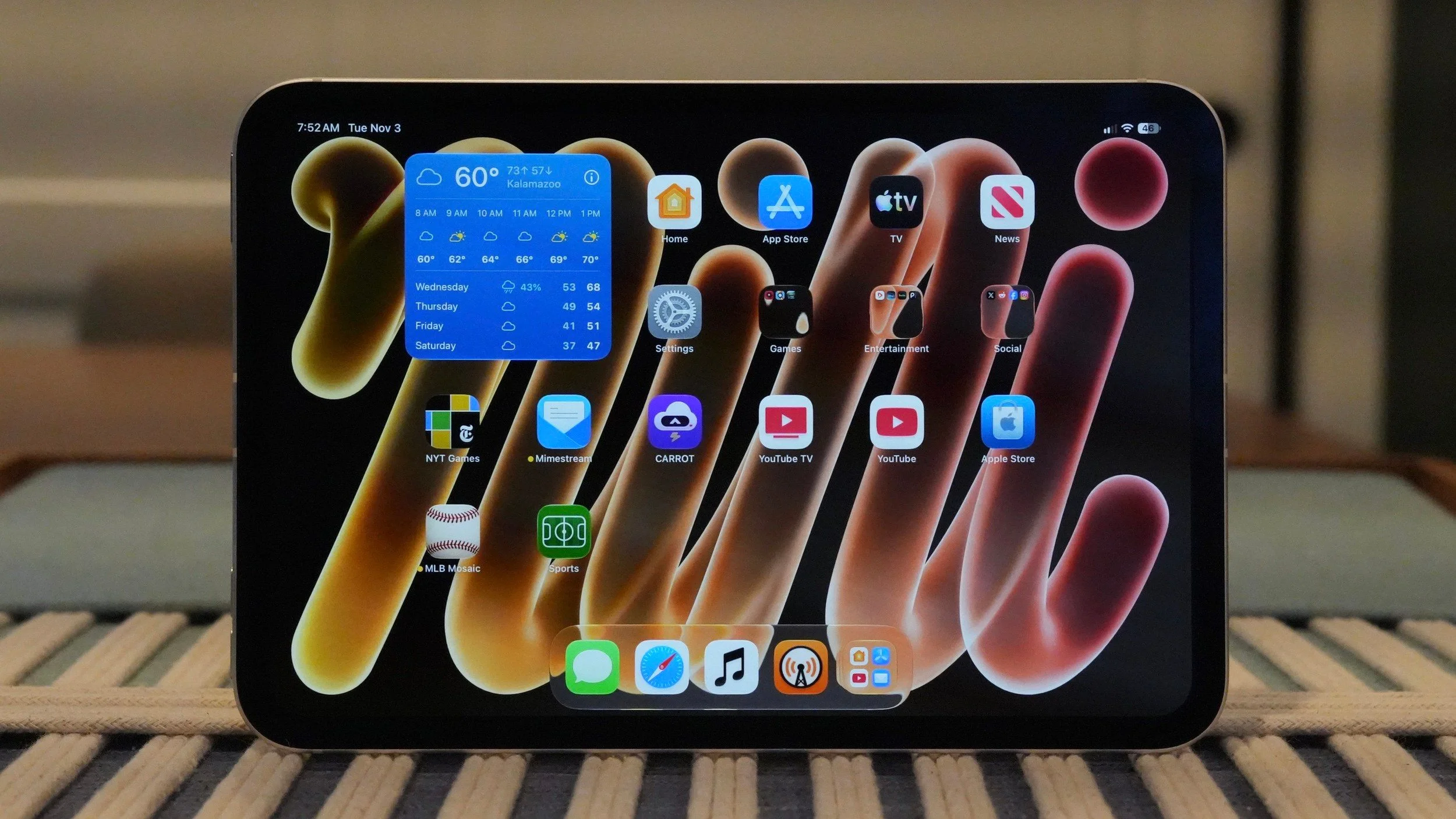
The iPad mini and the unfolded iPhone Duo may occupy similar physical territory, but the mini offers a different kind of device. It runs iPadOS, supports windowing and a menu bar, and can extend its interface to an external display. Its app layouts and desktop-class Safari experience make it a capable small tablet, not simply a larger phone screen.
The new model improves that formula with a slimmer build, more screen, OLED, water resistance and a fast chip. Yet the asking price has climbed to $699 after earlier increases from $499 at the start of the year to $599 in June. That’s a steep rise for a model that still starts at 128GB and leaves out ProMotion and Face ID.
My take: the 2026 mini is the most compelling version yet for people who want a genuinely portable iPad, particularly readers and frequent travelers. Its physical design feels right, and it retains capabilities that distinguish it from a phone. But buyers should weigh the improved screen and durability against the 60Hz limit and higher entry price. This is a substantial update to a distinct form factor; it still isn’t the mini Pro many users have been waiting for.
Accessories mentioned
- Pre-order the new iPad mini now
- Apple Pencil Pro
- Apple 40W Dynamic Power Adapter with 60W Max
- Apple Smart Folio for iPad mini – Taupe
- Beats Woven USB-C to USB-C Cables
Follow Chance: Threads, X, and Instagram


FTC: We use income earning auto affiliate links. More.