Oura Ring 5 vs. Ultrahuman Ring Pro: Comfort, Charging and App Value
The Oura Ring 5’s strongest advantage over Ultrahuman’s Ring Pro is the part you live with every hour: wearing it. Ultrahuman offers longer battery life and includes a charging case, but Oura’s smaller, more comfortable design and clearer app make it the better everyday pick in my experience. The price gap also narrows once you count subscriptions and optional features.
Ultrahuman Ring Pro is now on sale in the U.S. I’ve spent time with both rings, and the choice depends partly on what you want from the software. Ultrahuman leans into biohacking and changing “next best action” prompts; Oura presents its information in a calmer, more familiar way. The hardware, day-to-day comfort, and cost structure make the decision more concrete. For more on Ultrahuman’s app, see my look at its app changes.
Comfort favors the smaller ring
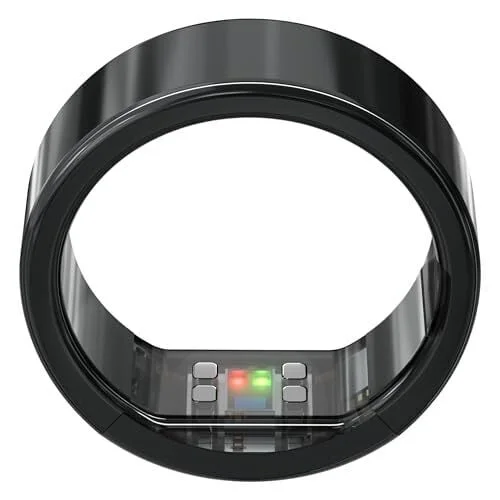
Smart rings have to earn their place through constant wear, and Oura has the edge here. The Ring 5 is the smallest smart ring I’ve worn, and its lower profile makes a noticeable difference over a full day. I’ve shared photos comparing its size with other rings, including RingConn models, earlier Oura versions, and an older Ultrahuman. The Oura comes out ahead on compactness.
The inside surfaces of both rings feel mostly smooth, with no intrusive bumps. The distinction is more about their shape and how they sit on the finger over time. Oura is simply easier to forget you’re wearing, which matters for a device intended to track sleep and daily activity as well as recovery. The Ring Pro remains a reasonable fit, but comfort is one of the clearest practical reasons to choose Oura.
Battery life and carrying the charger
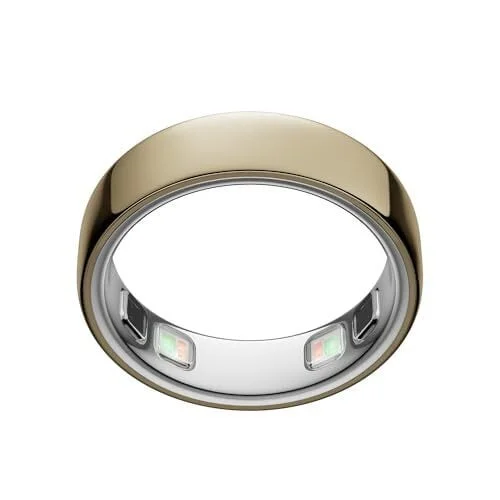
Ultrahuman has the stronger battery figures on paper. The company rates Ring Pro for eight to 10 days per charge, compared with six to nine days for Oura Ring 5. Ring Pro also has selectable power modes; “chill mode” lasted me about two weeks. Those extra days can matter if you travel or prefer to charge less often.
Its included charging case adds another 45 days of capacity and works across Ring Pro sizes. It’s a substantial, angular case, though, and takes up more space. It can also play a sound to help locate it if misplaced. Oura’s standard charger plugs in, which is less convenient on the go. Its optional $99 case is slimmer and pocket-friendly, holds 30 days of charge according to Oura, and must be bought in the correct ring size. It won’t work with earlier Oura models.
So the accessory choice is straightforward: Ultrahuman includes more reserve power, while Oura’s add-on is easier to carry. Both cases are incompatible with earlier generations of their respective rings. If charging frequency is your main concern, Ring Pro has the advantage; if pocket space matters more, Oura’s case is the nicer travel companion.
Sticker price doesn’t tell the whole story
Oura’s entry price is $399 for shiny black or silver and $499 for gold, rose, and matte black or silver. Its membership costs $5.99 a month, or $69.99 a year. Without a subscription, the ring’s usefulness is sharply limited; here’s what Oura data remains available without membership.
Oura Ring 5, black or silver: $470.88 for the first year and $542.76 for two years, including monthly membership.
Oura Ring 5, other listed colors: $570.88 for the first year and $642.76 for two years, including monthly membership.
Ring Pro costs $479 in every color and includes basic app use without a subscription. That makes it cheaper up front than a gold or matte Oura model, and close to the cost of a basic Oura once the first year of membership is included. But Ultrahuman sells optional PowerPlugs for added functions, so the final bill depends on what you want to unlock.
Respiratory health: $3.99 per month.
Cardio adaptability: $2.90 per month.
Cycle and ovulation pro: $3.99 per month.
HealthEx, for connecting medical records: $4.99 per month.
UltraSync for Tesla: $6.90 per month.
Ultrahuman Max bundles the listed PowerPlugs and Les Mills workouts, normally $11.99 a month, for $9.99 monthly or $99.99 annually. With the annual plan, Ring Pro totals $578.99 for one year or $678.98 for two. That exceeds either Oura configuration over those periods. Paying separately for just two add-ons, such as respiratory health and cycle tracking, can also push the total above Oura’s membership fee.
That comparison needs context: most buyers may not need the paid extras. Ultrahuman includes some features at no charge, such as a caffeine window, smart alarms, a new-parent mode, and a limited cycle and ovulation tracker. Oura also has paid options. Its Natural Cycles integration costs $149.99 a year; see the Natural Cycles option. Ultrahuman’s paid cycle tracker is described in this comparison of ovulation tracking.
Feature definitions matter as much as price. Ultrahuman’s respiratory add-on records sounds during sleep; Oura instead reports breathing disturbances from ring data. Ultrahuman’s HealthEx displays medical record information across the app, while Oura allows record imports at no charge and uses them mainly in its Advisor and dedicated app areas. Cardio adaptability is a separate metric from HRV, and I’m not convinced it adds much for most users. UltraSync’s Tesla recommendations have an obvious audience limitation. These are specialized extras, not automatic reasons to pay more.
If you’re simply after the least expensive ring, another model such as RingConn Air may be a better starting point. Among these two, the meaningful question is whether you’ll use Ultrahuman’s paid tools. Without them, the price comparison is much closer.
Oura makes its health data easier to use
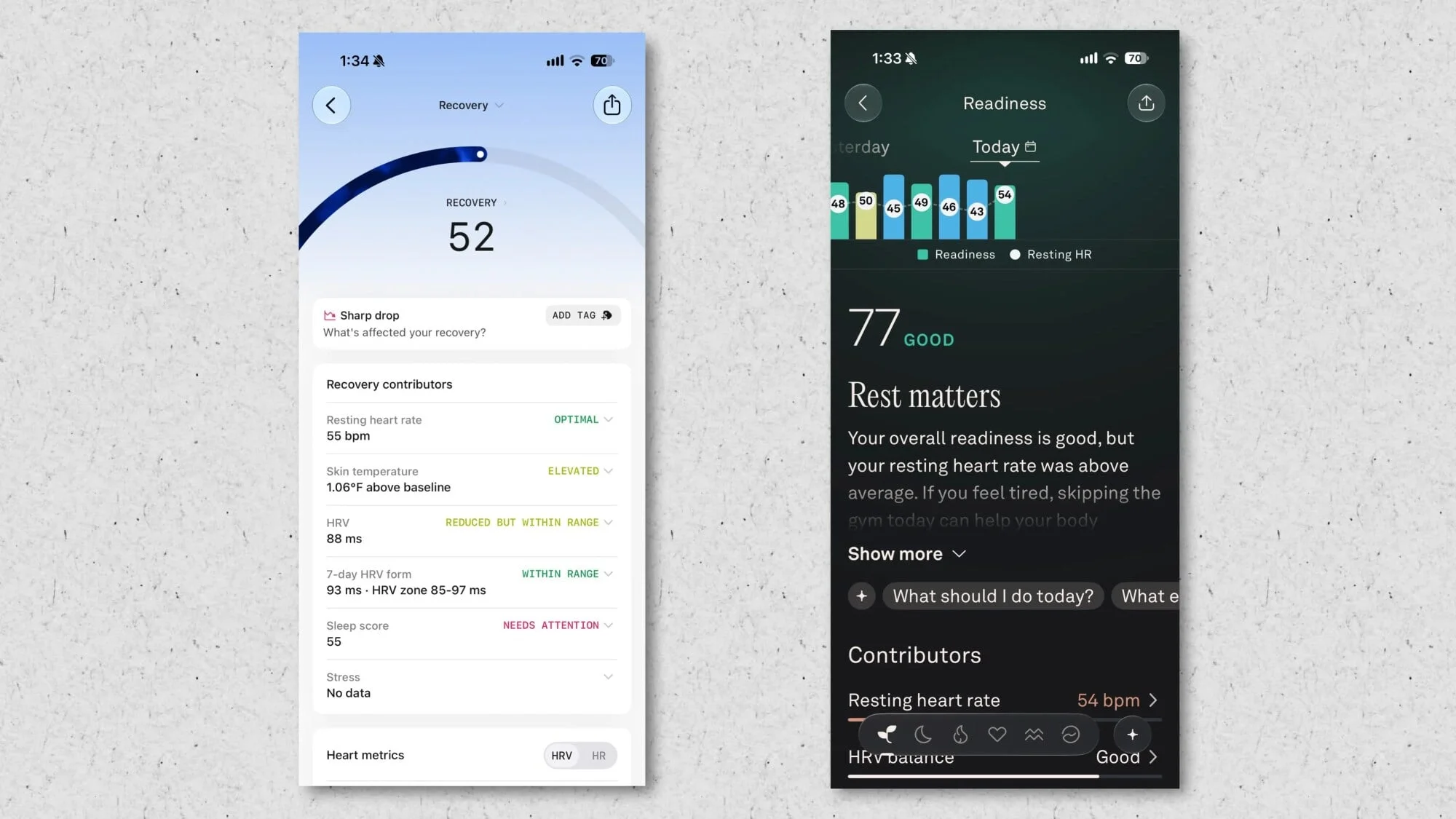
Both apps summarize readiness, sleep, and activity, and both turn daily and overnight readings into recommendations. Oura’s home screen suggests how to approach the day, such as easing off a workout when its signals point to fatigue or stress. Ultrahuman also changes its “next best action” over the day, but its prompts often follow familiar patterns, like suggesting movement after a long stretch of sitting.
Both apps show the factors behind their scores, and both can make those scores feel more decisive than they are. One poor night doesn’t automatically mean you should cancel a workout. Each supports integrations and partners, and both offer a way to book blood tests. In the core tracking experience, neither has a decisive informational advantage.
Ultrahuman offers more hands-on prompts around circadian rhythms and caffeine timing. Its longevity area translates habits into estimated years added to or subtracted from lifespan, using measures such as VO2max alongside harder-to-interpret factors such as arterial stiffness. That approach will appeal to people who want frequent nudges and a broad set of metrics.
Oura’s vitals section is more persuasive to me. It brings together measures such as resilience, which relates stress to recovery; Symptom Radar, which can sometimes flag signs of illness; sleep regularity; and breathing. It also presents cardiovascular age. I find these views easier to locate and interpret, and less likely to imply more certainty than the underlying measurements support.
Both products build much of their analysis from heart-rate readings gathered during the day and night. The software can help spot patterns, but its scores are best treated as context rather than instructions. Ultrahuman makes the experience feel more like active self-optimization; Oura keeps its advice grounded and its metrics legible. My read is that Ring Pro suits people who enjoy tuning routines and will use its extra tools. For a ring that’s comfortable to wear and an app that makes its signals easier to act on, Oura Ring 5 remains the stronger daily choice.