Platform Engineering Data Shows Mandates Improve Goal Delivery as Optional Adoption Grows

Platform teams face a revealing split: mandatory adoption is associated with far more frequent reports of goal delivery, yet optional platforms now make up the larger share of those surveyed. That tension is useful for engineering leaders weighing how much control to build into an internal platform—and how to tell whether it actually serves developers.
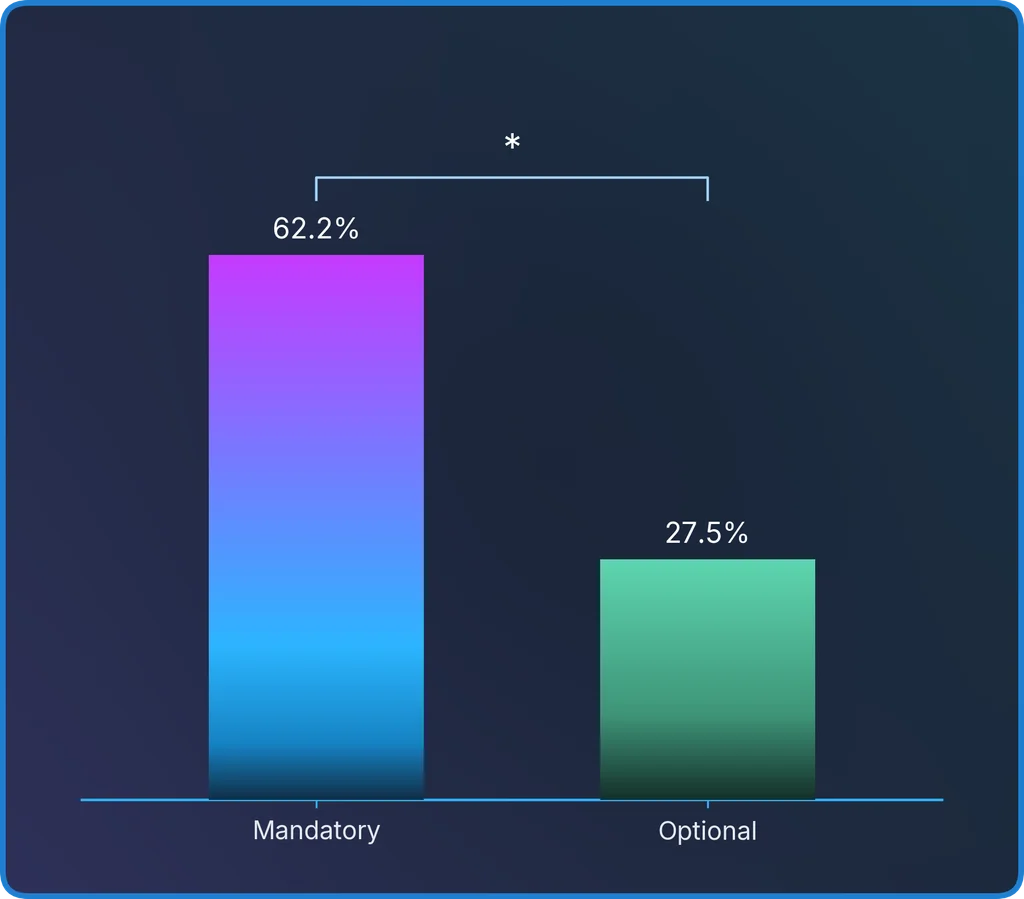
In the 2026 Future of Platform Engineering report, 62.2% of teams that required platform use said their platform had achieved most or all of its goals. Among teams where adoption was optional, 27.5% reported the same. At the same time, mandatory platforms fell from 63.0% of the sample a year earlier to 45.9%. Optional platforms rose to 54.1%.
The figures complicate familiar guidance from Team Topologies, the CNCF’s Platform Engineering maturity model and a 2026 review of platform engineering research. Those sources favor platforms that win users through self-service. Evan Bottcher put the principle succinctly in 2018: a platform “cannot stand on a mandate alone.” The survey suggests that adoption strategy and reported performance are related, but it doesn’t establish that requiring use causes better results.
Mandates correlate with delivery, but they come with support
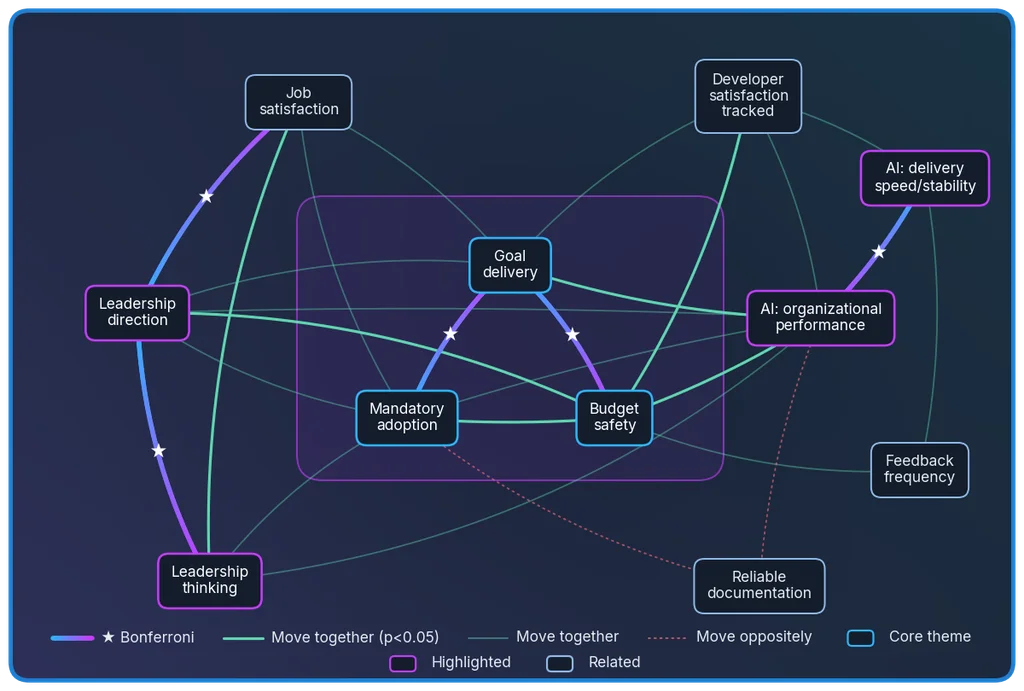
The survey’s strongest result is the gap in reported goal delivery: 62.2% for mandatory platforms versus 27.5% for optional ones. Yet the mandate appears alongside organizational conditions that can also help a platform succeed. Network analysis found that required adoption clustered with stronger leadership direction, higher job satisfaction and greater confidence in budget security. Those factors also correlated with goal delivery.
That makes leadership backing a plausible part of the explanation. Leaders who set a platform as the standard may also give its team authority, funding and organizational attention. In that context, mandatory use may signal a broader commitment, rather than acting as a standalone performance mechanism. The research is cross-sectional, so it can show associations but not which factor came first.
AI sits in a related cluster. Respondents who described AI’s impact most positively also reported clearer leadership direction, stronger budget confidence and greater job satisfaction. The association between positive AI impact and mandatory platform adoption was present, though weaker. These results don’t show that AI improves platform outcomes or that mandates improve AI results. They do point to an organizational pattern in which leadership, funding and platform policy tend to travel together.
Funding security changes the picture
Budget confidence provides another way to read the difference between adoption models. Teams with mandatory platforms were more likely to express confidence in budget renewal: 78.9%, compared with 50.0% for optional platforms. When the analysis considered budget confidence alongside platform strategy and goal delivery, funding security appeared more consequential for optional platforms.
For optional platforms, the share reporting goal delivery or performance gains increased from 9.5% among teams with low confidence in renewal to 52.4% among those with high confidence. The corresponding figures for mandatory platforms were 37.5% and 70.0%. In both groups, confidence tracked with better reported outcomes; the change was sharper for optional adoption.
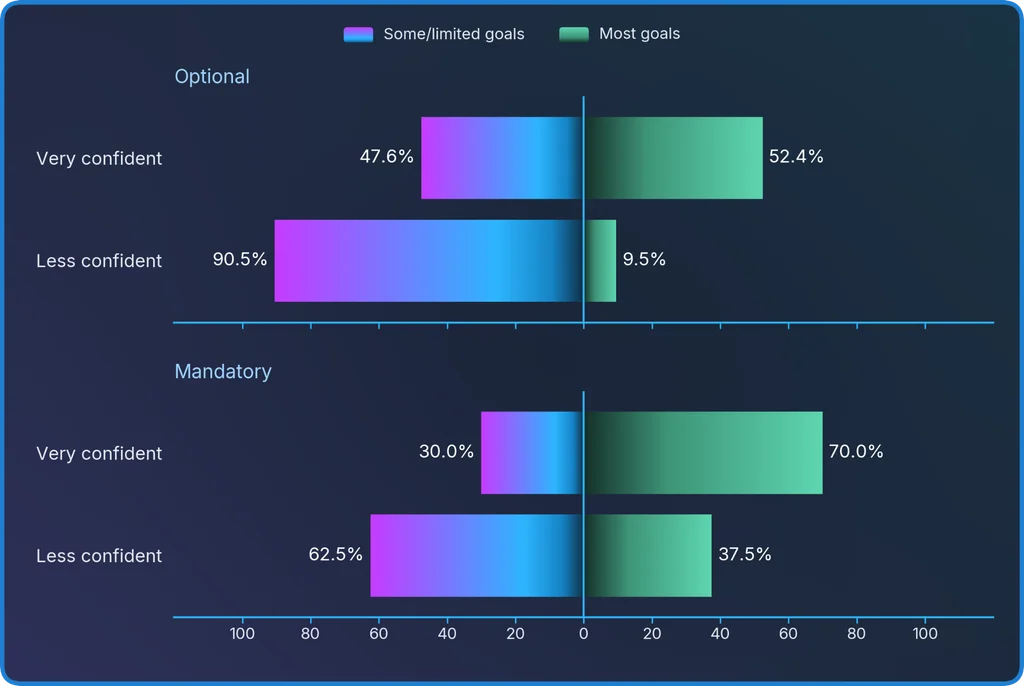
One practical reading is that mandatory adoption may make reported performance less sensitive to concerns about renewal. That doesn’t mean a struggling team should impose an unfunded platform. It does suggest that optional platforms need a persuasive case for continued investment, because their results appear more exposed to funding uncertainty.
Standardization is another potential benefit. A shared platform can reduce the number of tools and workflows teams must evaluate, while giving an organization a common place to apply security, cost controls and governance. Those advantages matter when each team’s independent choices create friction or inconsistent practices. The survey, however, doesn’t establish that standardization is the reason mandatory platforms reported stronger delivery.
Adoption numbers can conceal a poor developer experience
A mandate can also weaken a useful feedback signal. The survey found that less reliable documentation was more closely associated with mandatory than optional adoption. When teams must use a platform, weak documentation or rough workflows may not push adoption figures down. Compliance with the standard can look like success even when developers are having trouble.
Mandatory platforms were weakly associated with higher job satisfaction, but they were no more likely than optional platforms to track developer satisfaction. That gap deserves attention: once use is required, adoption rates can’t tell platform teams whether people find the platform helpful. Documentation quality and developer feedback become especially important measures.
The more useful design question is which rules should be mandatory. Organizations can require controls for security, cost management and internal standards while leaving the platform itself open to competition. If the platform makes those requirements straightforward to meet, teams have a practical reason to choose it. That preserves the value of shared tooling while keeping voluntary use as evidence that the platform works for its users.
This distinction becomes more pressing as coding agents take on delivery tasks. An agent doesn’t select a platform in the way a developer does; it operates through the access and workflows its organization configures. Policies that live only in documentation or depend on manual review may not shape an agent’s actions. Embedding those policies in delivery paths gives both people and agents a clearer route to compliant work.
That’s the broader lesson behind the apparent contradiction in the data. Optional adoption is becoming more common, and a platform still needs to earn developers’ trust. At the same time, shared controls and committed leadership can support consistent delivery. Strong platform teams will need both: requirements that make the safe path clear, and an experience that gives developers a reason to choose that path.
The post Mandatory vs. optional platforms: Mandates deliver twice as often, and teams are dropping them anyway appeared first on The New Stack.