7 Essential OpenCode Plugins Enhancing AI Coding Efficiency
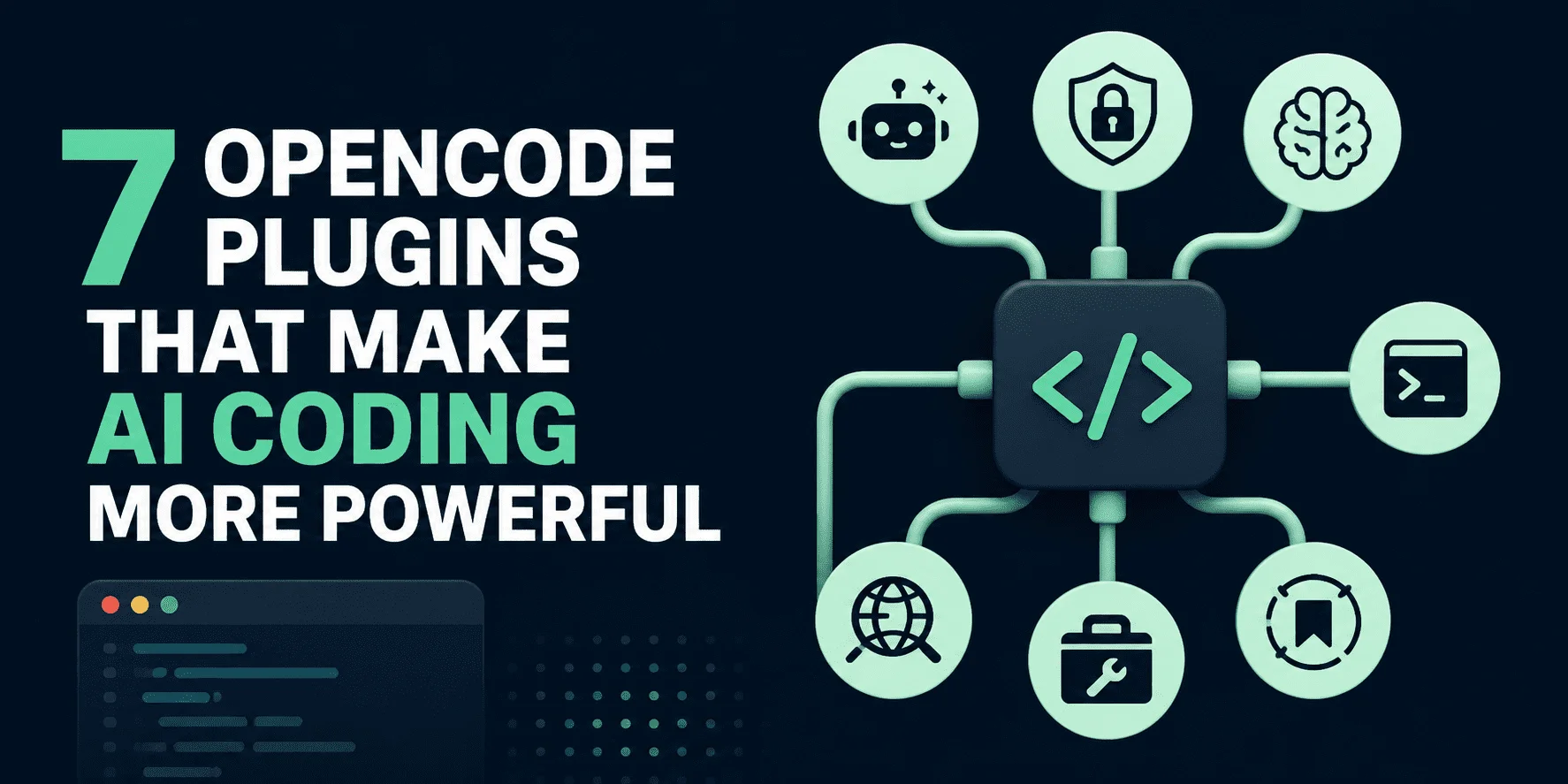
The Intriguing Shift in AI Development with OpenCode Plugins
As AI continues to permeate the software development landscape, the need for adaptable and customizable tools becomes critical. Enter OpenCode plugins, a developing ecosystem that enables developers to tailor the OpenCode AI coding agent to their specific workflows. This customization isn't merely a convenience; it represents a significant shift in how developers approach coding and project management.
The plugins extend OpenCode's capabilities beyond basic coding tasks, introducing features that foster a more coherent and manageable development environment. From persistent memory to research integration, each plugin targets specific pain points in the developer experience, thus enhancing productivity and collaboration.
Why Plugins Make a Difference
The real story here lies in how these plugins signal a transformation in AI coding tools. Traditionally, coding assistants have been one-dimensional, often acting as simple query-response engines. However, these plugins are redefining that relationship by introducing features that allow for deeper interactivity and sustained dialogue across sessions.
One noteworthy example is the opencode-supermemory plugin, which empowers OpenCode with persistent memory. This ability allows the AI to retain user inputs over time and across projects, creating a more consistent and relevant coding partner. As developers switch between tasks, they can rely on OpenCode to maintain context, drastically reducing the friction that often comes with stateless interactions.
A Closer Look at Prominent Plugins
Among the offerings, several plugins stand out for their impact and functionality. The oh-my-openagent plugin is the most expansive, featuring tools such as background agents and Model Context Protocol (MCP) integration. Its broad utility makes it an optimal choice for comprehensive development scenarios.
For teams relying on collaborative environments, the Opencode Wakatime plugin provides valuable insights into coding activities, tracking time spent and file alterations through a familiar dashboard interface. This visibility helps both individuals and teams gauge productivity while offering data to inform future practices and improvements.
Furthermore, the Opencode Websearch Cited plugin is a game changer for research-oriented development. It not only facilitates web searches but also generates citations, effectively enhancing the workflow for developers engaged in academic or comprehensive project documentation. It's a subtle yet powerful integration that caters to the needs of users producing content that demands rigorous sourcing.
Addressing Potential Gaps
Despite the promise these plugins hold, there are lingering questions about their long-term viability and integration complexity. Developers are right to consider how these pieces fit into their existing toolchains and what additional overhead they may introduce. It would be beneficial if the OpenCode community provided more explicit guidance on best practices for integrating these plugins seamlessly into various workflows.
Staying Agile: The Future of AI in Development
As you assess which plugins to adopt, consider starting with those that align most closely with your immediate challenges. If you're grappling with memory issues, opencode-supermemory could transform your interactions. Alternatively, if your work involves extensive research, adopting Opencode Websearch Cited may provide the support you need to enhance your documentation processes.
The development of the OpenCode plugin ecosystem is indicative of a broader trend towards personalization in coding environments. As AI becomes more integrated into daily workflows, adapting tools to fit specific needs will distinguish successful developers from their peers. Each plugin not only adds capability but also nurtures a more engaged and proactive interaction with technology, setting the stage for a more interactive and collaborative future.
What’s certain is that this dynamic landscape will continue to evolve rapidly. With ongoing contributions and innovative approaches from the developer community, the potential for these plugins to fundamentally redefine productivity and creativity in programming is immense. Embrace this period of transformation, assess your development needs, and choose your plugins smartly—the flexibility of OpenCode is just beginning to unfold.