Anticipated Innovations at Google I/O 2026
With Google I/O 2026 just around the corner on May 19, industry watchers are hungry for insights into what's on the agenda. While the buzz around hardware releases, including the Pixel line, appears muted, the spotlight is set to shine on software updates and AI innovations—two areas where Google continues to push boundaries. Past I/O events have teased us with various advancements, and this year is likely to present a similar array of features and enhancements, albeit with some intriguing twists.
Redefining Android: Insights on Android 17
In a departure from tradition, Google opted to debut Android 17 features ahead of I/O, bringing key updates through a dedicated I/O Edition of The Android Show. Highlights include enhancements to Gemini Intelligence, which boasts agentic capabilities, an advanced autofill feature, and improved voice dictation. Notably, Googlebooks, a new laptop platform designed to integrate seamlessly with Android, also emerged from this presentation. This move suggests a strategic shift towards unifying user experiences across devices, an essential step in today's multi-platform landscape.
The AI Arms Race: What’s Next for Google’s AI Initiatives
No tech discussion at I/O would be complete without touching on AI, and Google is expected to unveil significant advances in its AI portfolio this year. The company is reportedly set to showcase upgrades across major AI offerings such as Veo (video), Nano Banana (images), and Lyria (music). Analysts anticipate a new iteration of Gemini, which has proved central to Google’s AI strategy, integrating into various products with enhanced features and performance capabilities. Recent updates to Gemini, particularly its applications in Google Maps and mental health interactions, are indicative of a broader ambition to make AI more intuitive and user-centric.
Gemini Remy: A Step Towards True Digital Assistance
Excitement is building around rumors of a new AI agent named "Remy," which could redefine personal assistance in a digital context. This AI would operate with a high degree of autonomy—handling tasks like email management and calendar updates based on a user’s preferences. As the tech world pivots towards more capable, agentic assistants, Google’s implementation of Remy could put it ahead in the competitive race for user-centered AI tools. However, there are critical questions around the practical implications of trusting such an assistant with personal tasks. How will privacy concerns be addressed in a world where an AI is orchestrating more of our digital lives?
Exploring Android XR: The Future of Interactive Devices
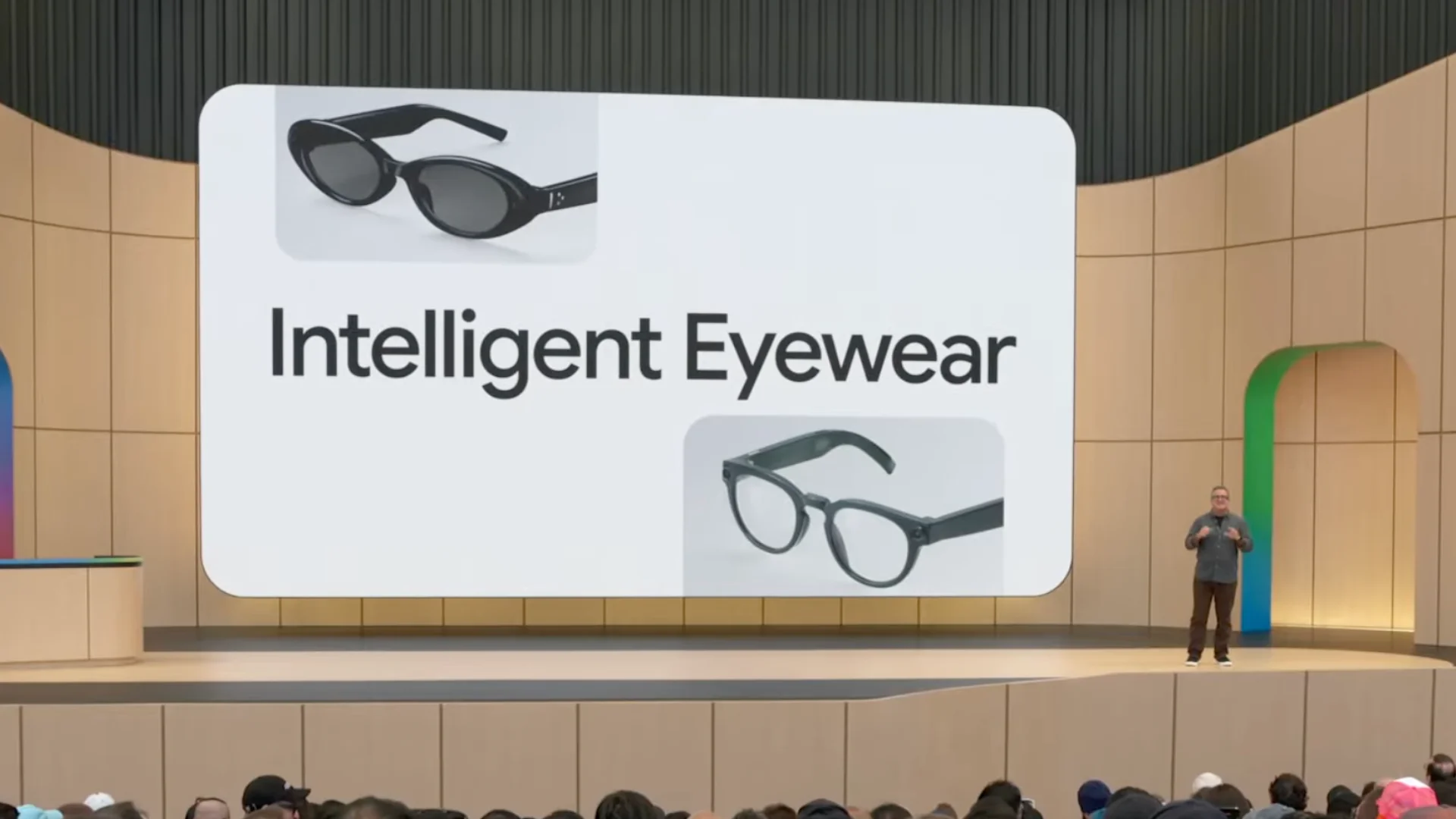
Google's announcement of Android XR at last year's I/O hinted at ambitions in augmented reality and smart glasses, aiming to integrate critical elements like notifications and navigation into a user’s field of vision. Anticipation is building for potential updates regarding partnerships initiated last year, including those with Warby Parker and Gentle Monster, which could mean a clearer timeline for product launches. The ethical implications of smart glasses—especially regarding privacy and public awareness—are already sparking heated discussions. As Google eyes this emerging market, how it navigates user privacy and consent will be critical to its acceptance.
Innovations in Home Automation: Google Home Display
On the smart home front, the emergence of a Google Home Display has piqued interest. Evidence of its development surfaced within the code of the Google Home app on iOS, indicating a possible expansion of Google’s smart home ecosystem. The anticipated pairing with a new Google Home Speaker, set for launch this spring, signifies Google's commitment to evolving its smart home devices. This move—evident since the Nest Hub's 2021 launch—is essential for providing a comprehensive ecosystem that caters to users seeking interconnected devices that enhance their living spaces.
Wrapping Android and Chrome: The Aluminum OS Initiative
Google’s potential unveiling of Aluminum OS could represent a revolutionary step in harmonizing desktop and mobile experiences. This initiative seeks not just to adapt Android for larger screens but to create a tailored desktop experience that embraces the strengths of both platforms. This could be the operating system behind the aforementioned Googlebooks, signifying a commitment to bridging gaps between mobile and desktop experiences, but its official details remain scant. With increasing demands for hybrid usability, how Google positions this new OS could influence the future of both Android and ChromeOS significantly.
As Google I/O 2026 approaches, the anticipation surrounding software innovations and the continuation of AI integration within personal and professional tools cannot be overstated. The company’s choices made during this pivotal event will likely shape their trajectory for the coming years. Observers will be watching to see how they address challenges presented by increased reliance on AI, privacy concerns, and the dynamic intersection of hardware and software.